
Why Writing Code Is Becoming a Secondary Skill?
AI is transforming software engineering, with nearly half of production code now generated by tools like Cursor, Claude, and GitHub Copilot. The rise of intent-driven development is shifting developer value from writing syntax to defining requirements, designing systems, and reviewing AI output making product thinking and architectural judgment the most important engineering skills.
Why Writing Code Is Becoming a Secondary Skill?
There is a number floating around the industry right now that makes a lot of developers uncomfortable: 41% of all code shipped to production today is AI-generated. Gartner forecasts that hits 60% before the end of 2026.
That is not a prediction anymore. That is already the workflow at Microsoft, Google, and almost every serious engineering team running at speed right now.
So if AI is writing nearly half the code, what exactly are developers being paid to do?
That question is what intent-driven development tries to answer.
What Intent-Driven Development Actually Means
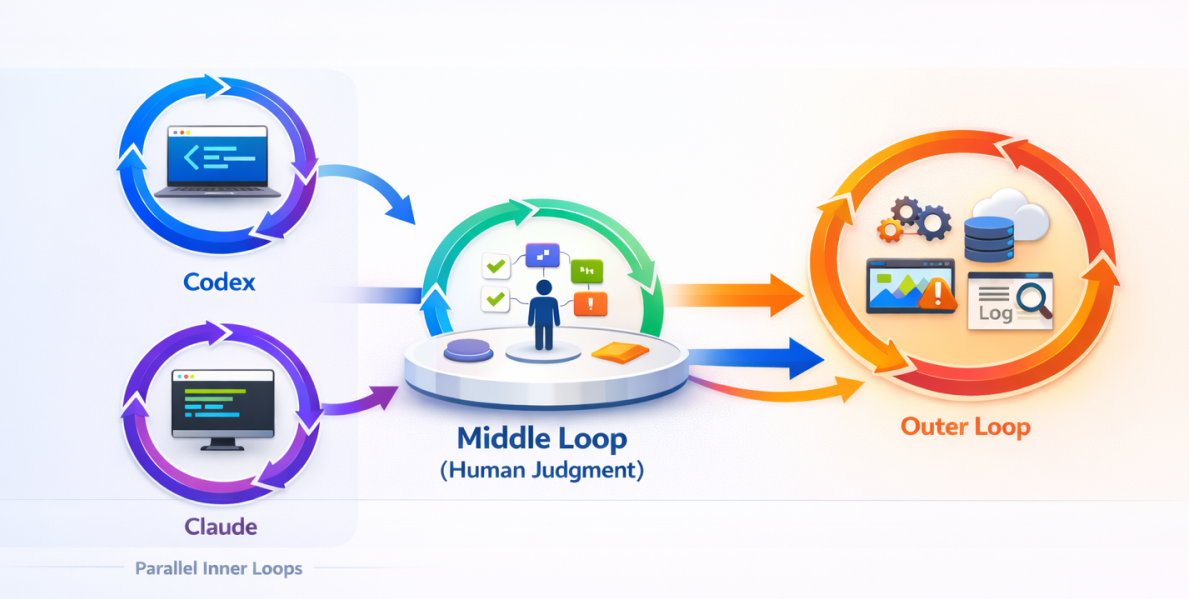
The idea is straightforward. Instead of spending your day writing functions and classes line by line, you spend it articulating what needs to be built, why it needs to exist, and what success looks like. The AI handles the execution. You handle the thinking.
Tools like Cursor, Claude Code, and GitHub Copilot have crossed a threshold in 2026 where they no longer just autocomplete your next line. They read your entire repository, understand your architecture, infer your conventions from commit history, and generate full features from a clear description. When you say "add rate limiting to the API gateway," a good agent in 2026 already knows your middleware stack before it writes anything.
The bottleneck in software delivery has quietly shifted. It is no longer writing code. It is clearly articulating what you want built.
The Skill Breakdown Is Changing Fast
Traditional software teams roughly split their time like this: 20% product thinking, 60% engineering execution, 20% design and polish.
That ratio is inverting. Teams using intent-driven workflows in 2026 are spending closer to 60% of their time on product judgment and architecture, 30% on engineering direction and review, and 10% on hands-on implementation.
One Series A CTO put it plainly in a LinkedIn post earlier this year: "We cut our team from 11 engineers to 6 in 2025 and our ship velocity went up. Cursor plus Claude plus two senior reviewers is doing the work of a small team. The junior seats we did not refill were the ones writing boilerplate anyway."
That last line is the important one. Entry-level positions focused purely on implementation are down 17% in job postings year over year. Meanwhile, postings requiring experience with AI coding tools are up 340% over the same period.
The role is not disappearing. It is splitting. The people who understood systems, architecture, and product logic are accelerating. The people whose value came from typing syntax quickly are the ones feeling the pressure.
What AWS and GitHub Already Know
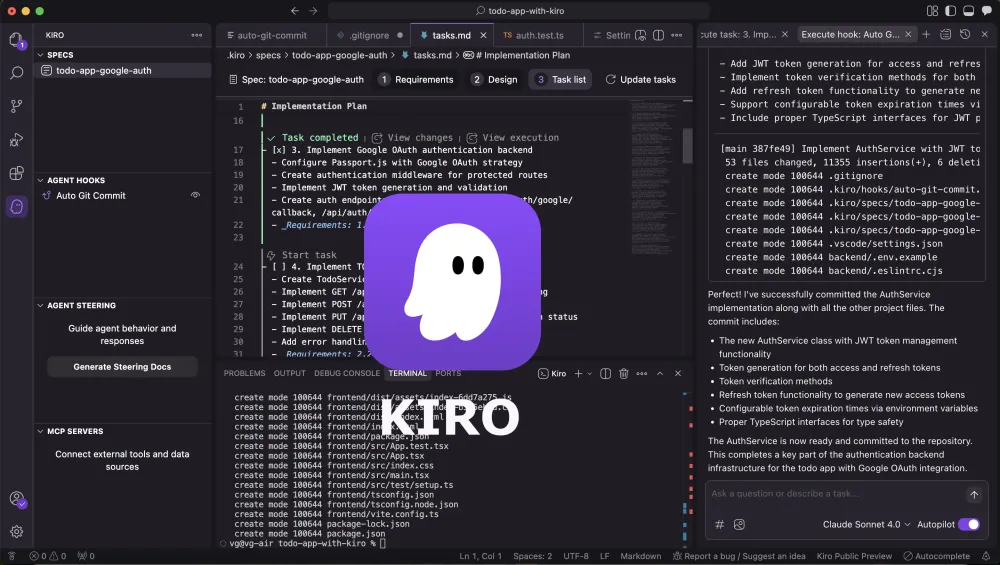
This is not theoretical. AWS built a spec-driven tool called Kiro that took a two-week notification feature down to two days. GitHub SpecKit now guides engineers through a structured specification process before a single line gets written. The specification is the product. The code is an output of the specification, not the other way around
Thoughtworks described this as inverting traditional architecture: specifications become executable and authoritative, and human judgment moves to a higher level, not out of the picture entirely.
The developers getting the most out of AI right now are not the fastest typists. They are the ones with product sense, the ones who can think in systems, communicate constraints clearly, and catch the places where a technically valid output completely misses the actual requirement.
What This Means If You Are Learning to Code Right Now
The honest answer is that learning to write clean, readable code still matters. You cannot review AI output you do not understand. You cannot catch a subtle architectural mistake if you have never built anything from scratch.
But spending years optimizing for speed at implementation while ignoring product thinking, system design, and communication is a bad bet in 2026. 75% of developers still manually review every AI-generated snippet before it merges. That review skill, knowing what to keep, what to change, and what to reject, is where senior engineers are separating themselves right now.
The developers thriving in this environment treat AI as an intern that is extremely fast but needs a clear brief and a careful reviewer. They write less code. They write better specifications. They understand the business requirement well enough to know when the generated output missed the point.
That combination of technical fluency and product judgment is the actual job now.
The Bottom Line
Intent-driven development is not hype and it is not a threat. It is a workflow shift that is already happening at the companies paying the highest engineering salaries. The engineers earning more in 2026 are the ones who can communicate intent clearly, architect systems thoughtfully, and review AI output critically.
Writing code is still a skill. It is just no longer the primary one.
You may also like

What Is TypeSafe AI?
Discover Jev, TypeSafe AI’s System One Model for fast, type-safe, calibrated AI decisions built for software automation.

What Is Paperclip and How Does It Help You Manage AI Agent Teams?
Learn what Paperclip is, how it manages AI agent teams, controls costs, enables human approvals, and coordinates agents across different AI runtimes.

How Do You Actually Teach Engineering Judgment?
Learn how STEMLink teaches engineering judgment through a four-step approach: learn, build, test limitations, and understand why real-world systems need more.