
Claude Design by Anthropic Labs
Discover Claude Design by Anthropic Labs, an AI-powered design workspace that helps create prototypes, presentations, mockups, and visual assets faster using natural language.
Claude Design by Anthropic Labs
Artificial intelligence has already transformed writing, coding, and research. Now, Anthropic is bringing that same level of innovation to design.
With the launch of Claude Design, Anthropic introduces a collaborative AI workspace that helps users create polished visual content from product mockups and interactive prototypes to presentations, one-pagers, and marketing assets all through natural language conversations. Rather than replacing designers, Claude Design is built to speed up creative exploration and make professional-quality design accessible to everyone.
Powered by Claude Opus 4.7, Anthropic's most capable vision model at launch, Claude Design combines advanced visual understanding with conversational editing, allowing users to move from idea to polished design in minutes instead of days.
What Is Claude Design?
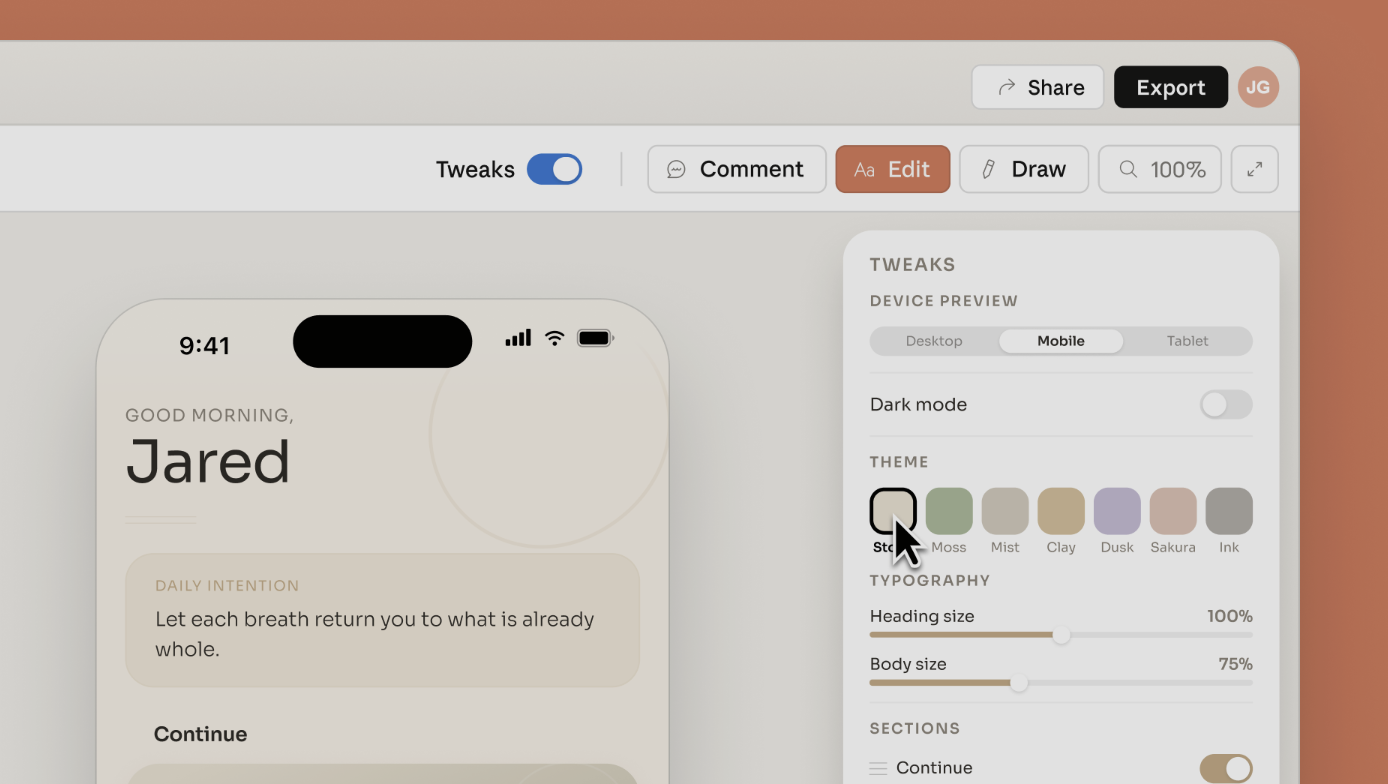
Claude Design is an experimental product developed by Anthropic Labs that gives Claude a visual workspace instead of limiting interactions to text conversations.
Users simply describe what they want a landing page, mobile app interface, pitch deck, marketing one-pager, or product prototype and Claude generates an initial design. From there, the design can be refined through natural conversation, inline comments, direct edits, and AI-generated adjustment controls.
Unlike traditional design software that requires hours of manual work, Claude Design focuses on accelerating the creative process while still leaving the final decisions in the hands of users.
Designed for Both Designers and Non-Designers
One of Claude Design's biggest strengths is its accessibility.
Professional designers often have limited time to explore multiple creative directions before deadlines. Claude Design allows them to quickly generate several concepts, compare alternatives, and refine promising ideas much faster than traditional workflows.
At the same time, founders, marketers, product managers, and entrepreneurs who lack formal design experience can now transform rough ideas into polished visuals without learning complex software. Anthropic describes the product as a way to lower the barrier between ideas and execution while still supporting professional creative workflows.
From Prompt to Prototype in Minutes
The workflow is intentionally simple.
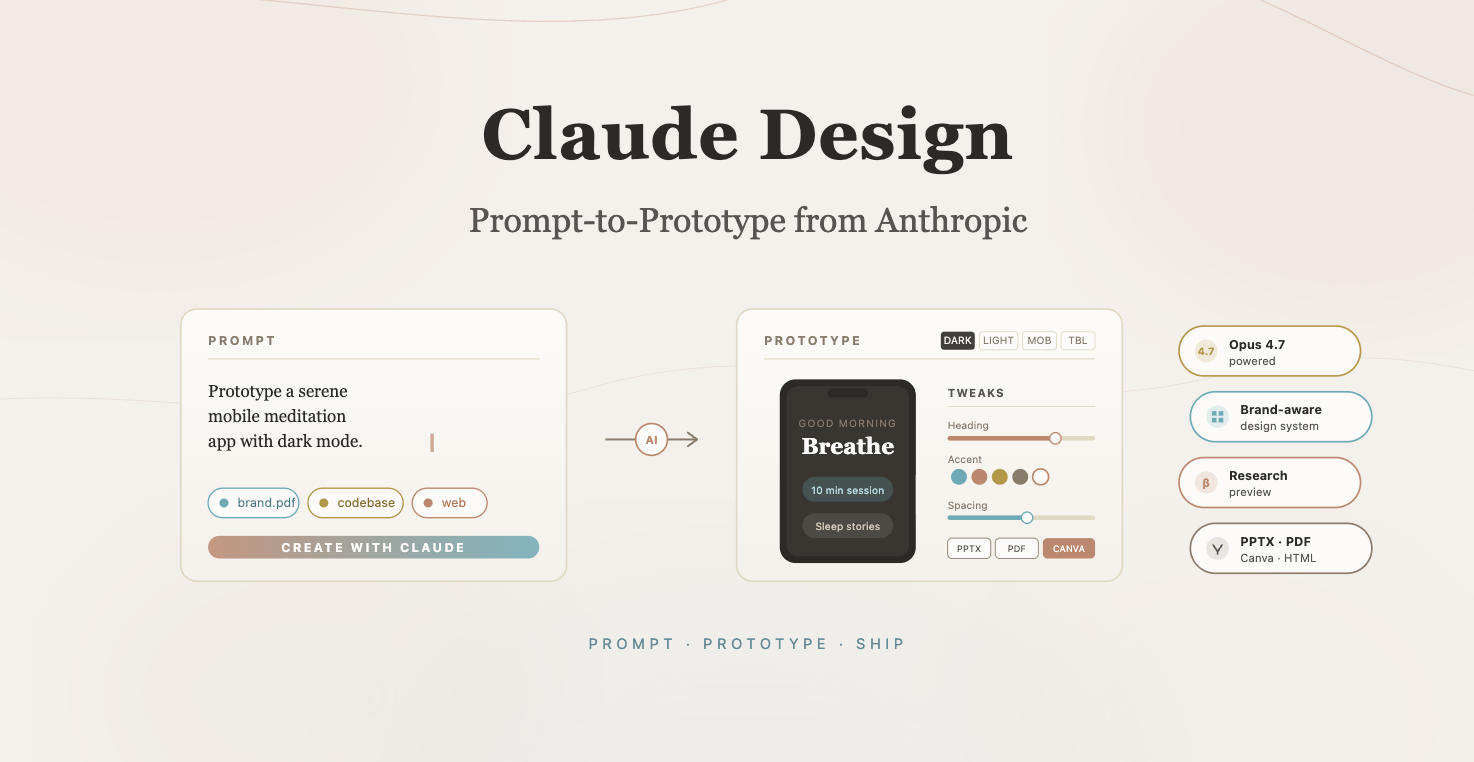
Users begin by describing the project they want to create. Claude then generates an initial design that can immediately be reviewed and refined.
Instead of restarting from scratch every time changes are needed, users can continue improving the design through conversation. They can ask Claude to adjust layouts, modify typography, reorganise content, experiment with colour palettes, or explore completely different design directions.
Because the editing process remains conversational, creative exploration becomes significantly faster than working through traditional design tools alone.
Built Around Your Brand Identity
Maintaining consistent branding across projects is one of the biggest challenges for growing companies.
Claude Design addresses this by learning from existing design assets, codebases, and brand resources to automatically understand colours, typography, components, and design patterns.
Once that information is available, future projects can follow the same visual identity without requiring users to repeatedly explain their design system.
For businesses managing multiple products or marketing campaigns, this feature could dramatically reduce repetitive design work while improving consistency across teams.
More Than Just Another AI Image Generator
Although many AI tools can generate images from text prompts, Claude Design focuses on creating complete design experiences.
Instead of producing standalone artwork, it generates structured interfaces, presentations, wireframes, landing pages, and interactive prototypes that can continue evolving throughout a project.
This makes it especially valuable for product development teams where designs often require constant iteration before reaching production.
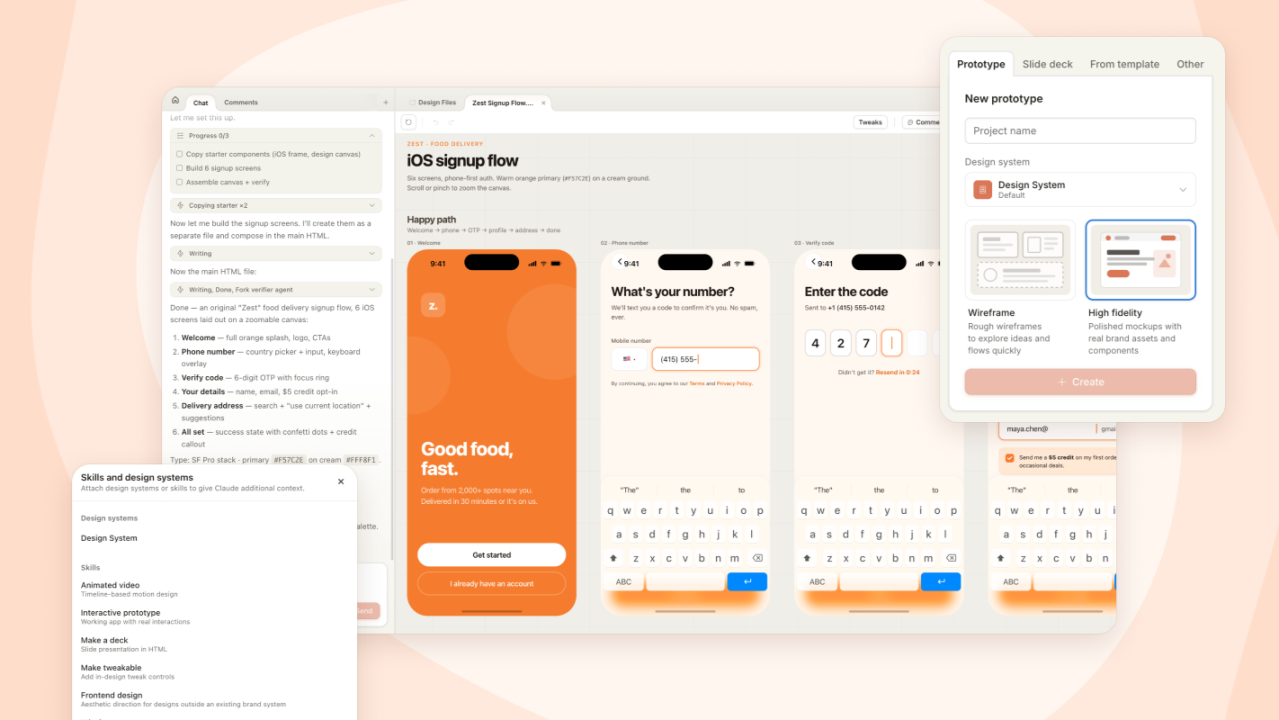
The ability to refine layouts through conversation also creates a more collaborative workflow compared with one-shot image generation models.
Seamless Collaboration Across Creative Workflows
Anthropic has designed Claude Design to fit naturally into existing creative processes.
Projects can be exported as presentations, PDFs, or shared with other design platforms for further refinement. Teams can also hand designs directly to Claude Code, creating a smoother transition from concept to implementation.
This tighter connection between design and development has the potential to reduce communication gaps that often slow product teams.
Instead of translating static mockups into working software manually, designers and developers can collaborate within a more connected workflow.
Why Claude Design Stands Out
The AI design space has become increasingly competitive, with companies like Canva, Adobe, Google, and Figma all introducing AI-powered creative features.
Claude Design differentiates itself by focusing less on isolated image generation and more on collaborative design thinking.
Its conversational editing system, brand-aware design capabilities, interactive prototypes, and integration with Claude's broader ecosystem position it as more than just another AI design assistant.
It functions as a creative partner that helps users explore ideas rapidly while still allowing full control over the final outcome.
Who Should Use Claude Design?
Claude Design is well suited for a wide range of professionals, including:
Product designers creating interface prototypes
Startup founders building investor presentations
Product managers visualising new features
Marketing teams producing campaign assets
UX designers exploring multiple layouts
Agencies developing client concepts
Small businesses without dedicated design teams
Because the platform removes many technical barriers, users can focus more on solving design problems than learning complicated software.
Final Thoughts
Claude Design represents another major step in Anthropic's broader vision of AI-assisted creative work.
Instead of positioning artificial intelligence as a replacement for designers, the platform focuses on making creative exploration dramatically faster. By allowing users to generate, edit, iterate, and refine visual projects through natural conversation, Claude Design shortens the journey from idea to execution.
For experienced designers, it provides a faster way to experiment with concepts. For non-designers, it opens the door to creating professional-quality visuals without years of training.
As AI continues to reshape creative workflows, Claude Design stands out as one of the most promising tools for teams looking to move from inspiration to polished design with greater speed and flexibility.
FAQs
What is Claude Design?
Claude Design is an AI-powered design workspace developed by Anthropic Labs that helps users create prototypes, presentations, wireframes, mockups, and visual documents using natural language prompts.
What AI model powers Claude Design?
Claude Design is powered by Claude Opus 4.7, Anthropic's advanced vision model designed for creative, visual, and professional tasks.
Can beginners use Claude Design?
Yes. Claude Design is built for both professional designers and users without design experience, making it easy to create polished visuals through simple conversations with Claude.
Is Claude Design available to everyone?
Claude Design launched as a research preview for Claude Pro, Max, Team, and Enterprise subscribers, with availability expanding gradually.
You may also like

What Is TypeSafe AI?
Discover Jev, TypeSafe AI’s System One Model for fast, type-safe, calibrated AI decisions built for software automation.

What Is Paperclip and How Does It Help You Manage AI Agent Teams?
Learn what Paperclip is, how it manages AI agent teams, controls costs, enables human approvals, and coordinates agents across different AI runtimes.

How Do You Actually Teach Engineering Judgment?
Learn how STEMLink teaches engineering judgment through a four-step approach: learn, build, test limitations, and understand why real-world systems need more.