ReactJSNodeJSExpressJS3+
Artificial IntelligenceHorizone (Smart Hotel Management System)
Horizone is an AI-driven hotel booking platform that revolutionizes the search and reservation process. Using OpenAI's language model, it allows users to provide their hotel preferences and receive tailored recommendations. The platform’s goal is to streamline the hotel selection process, offering personalized options that match the unique needs of each user, ultimately making the booking experience faster and more intuitive. 🤔 Problem Space Problems to Solve/Requirements to Create Horizone is an AI-powered hotel booking platform that allows users to input their preferences and receive personalized hotel recommendations. The challenges faced include ensuring fast and seamless user interactions, maintaining real-time hotel data, implementing effective AI-driven recommendations, and securing user information throughout the booking process. 👉 Problem: Slow AI-Based Recommendations Problem Statement: Generating personalized hotel recommendations using AI can be slow, especially when processing a large number of user preferences and hotel options. This delay in fetching results can cause user frustration and lower engagement. Current Solution: We integrated OpenAI's GPT-4o to generate personalized hotel recommendations based on user preferences. To speed up the process, we use pre-calculated recommendation caching for frequently requested preferences and batch processing for high-demand search results. How do we know it is a problem: User feedback: Users report delays when receiving hotel recommendations based on their input. Metrics: Increased abandonment rates after submitting preferences. Evidence: Performance logs show long processing times when AI is involved in fetching hotel recommendations. 👉 Problem: Complex User Authentication and Authorization Problem Statement: Managing user authentication and secure access to personalized features, such as booking history, payments, and preferences, is critical for a seamless experience. Poorly managed authentication can cause issues with session expiration or user data leakage. Current Solution: We use Clerk for authentication, ensuring secure login and session management. Additionally, role-based access control (RBAC) ensures only authorized users can access certain features. How do we know it is a problem: User feedback: Users report problems accessing personalized features after logging in. Metrics: Increased logout rates and failed attempts to access restricted pages. Evidence: Logs indicate frequent session expiration and failed authentications on user profile pages. Why solve these problems? Reason 1: Improving recommendation speed, booking accuracy enhances the user experience, leading to higher user engagement, better conversions, and fewer abandoned transactions. Reason 2: Ensuring secure authentication and data handling fosters trust and builds long-term relationships with users. User Satisfaction Matrix Current State: Users experience slow loads, booking errors, authentication issues, and other problems Desired State: After solving these problems, users will enjoy fast hotel searches, seamless bookings, and a smooth personalized experience. Goals Company objective 🎯 💡 The main company objective is to streamline and enhance the hotel booking process through an AI-driven platform, providing users with personalized recommendations and an efficient, user-friendly experience. The goal is to improve both the booking journey for customers and the management process for hotel admins. Project Goals Project goal: Build an AI-powered hotel booking platform using the MERN stack, with personalized recommendations provided by OpenAI’s LLM to enhance users' decision-making process. Project goal: Develop an intuitive, efficient admin dashboard that simplifies hotel management, ensuring that hotel admins can manage hotel listings with ease. User Stories User Type: Visitor The Visitor is someone looking to book a hotel for their trip. They are browsing the platform to find suitable accommodation options. Goals: Find hotels that match their preferences, such as location, price range, and amenities. Needs: Ability to filter search results based on different criteria and personalized recommendations powered by AI. Other Characteristics: Visitors may be first-time users or repeat customers seeking accommodations tailored to their specific preferences or past experiences. User Type: Admin The Admin is responsible for managing hotel listings and overseeing booking-related tasks. Goals: Approve and manage hotel listings, monitor booking statuses, and ensure accurate data for customers. Needs: A user-friendly and efficient interface to create and manage hotel listings Other Characteristics: Admins are responsible for creating new hotel listings and managing other hotel-related details. 🌟 Design space UI Design The UI design focuses on creating a seamless user experience, emphasizing easy navigation and intuitive interactions. Key features include: Home Page: Introduction to Horizone, highlighting AI-driven features and a clear call-to-action for users to sign up or explore. User Flow: Sign up or log in to access personalized recommendations and services. Customize preferences for hotel searches based on user input. Browse through AI-powered recommendations and finalize bookings. Admin Flow: Login → Access the admin dashboard. View a list of user bookings and hotel information. Take actions like adding new hotels, updating details, or managing bookings. Low-fidelity Wireframe Design Concept The core design concept for Horizone is centered on simplicity, clarity, and ease of navigation. The platform aims to provide a seamless user experience for both hotel guests and admins. The design focuses on a clean interface with easy access to hotel search, booking, and management features. For users: The flow starts with a homepage showcasing hotel listings, then allows users to search and filter hotels with ease. The booking process is straightforward with clear steps. For admins: The dashboard offers a simple, efficient layout with hotel management tools, booking status updates, and performance metrics. Wireframes ✍️ Home Page Wireframe Top section: Logo, navigation buttons (Sign in, Sign up) Large hero banner describing platform features with AI Search Form ✍️ Hotel Listings Component Wireframe Top Section: Navigate between other locations (Location Tab) Hotel Cards ✍️ Hotel Page Wireframe Hotel Image with All Hotel Details Booking Button and Booking features ✍️ User Account Page Wireframe User Account Details Section with including privacy details (Email) All Booking Details and reject button Development Phase Technology Stack Selection Frontend - React.js with RTK Query Why React.js? Component-Based Architecture : Enables reusable UI components, making the frontend modular and maintainable. Efficient UI Updates : Uses a virtual DOM for faster rendering and smooth user interactions. Rich Ecosystem : Vast library support and active community ensure continued improvements. Why RTK Query for Data Fetching? Efficient Data Fetching : RTK Query simplifies data fetching with minimal boilerplate code. It streamlines API integration for actions like searching for hotels, fetching hotel details, or managing bookings, which improves the overall development speed. Automatic Caching : RTK Query automatically caches data and only refetches when required, which improves performance by reducing redundant API calls, especially when displaying static hotel information or previously searched results. Optimized for Redux : As part of the Redux Toolkit, RTK Query integrates seamlessly with Redux, providing a structured and powerful way to handle server-side data fetching while maintaining consistent application state. Error Handling & Retries : RTK Query comes with built-in error handling and retry logic for failed API calls, ensuring a more resilient user experience, especially during peak times or unstable network conditions. Backend - Node.js with Express Why Node.js? Asynchronous and Non-blocking : Node.js handles concurrent requests efficiently using its event-driven, non-blocking I/O model, making it ideal for real-time applications like Horizone. Single Language (JavaScript) : Using JavaScript on both the frontend (React) and backend (Node.js) provides a unified language, simplifying development and communication between the two layers. Scalability : Node.js is known for its scalability and can handle large numbers of requests, which is beneficial when Horizone scales up with increasing users and hotel data. Why Express.js? Simplified Routing : Express.js provides a minimal, unopinionated framework for routing, making it easy to structure and manage API endpoints for various functionalities (e.g., hotel search, booking management, etc.). Middleware Support : Express allows easy integration of middleware for validation, error handling, authentication, and logging, which is essential for building a secure and maintainable backend. Flexibility : Express is lightweight yet flexible, allowing the integration of various third-party libraries like Clerk for authentication, and custom middleware to meet specific application needs. AI Integration - OpenAI GPT-4o Why OpenAI GPT-4o? Personalized Recommendations : GPT-4o helps deliver tailored hotel recommendations based on user preferences (such as location, price range, and amenities). This creates a more personalized booking experience. Advanced Natural Language Processing (NLP) : OpenAI’s GPT-4o can understand and generate human-like text, allowing it to process user queries effectively and provide conversational interactions, making it ideal for handling complex booking requests or FAQs. Context-Aware Insights : GPT-4o can provide contextual recommendations by analyzing users' inputs, improving accuracy in suggesting relevant hotels and offers. Scalability : GPT-4o handles multiple concurrent interactions, which is essential for a high-traffic hotel booking platform with many users seeking real-time recommendations. User Authentication - Clerk Authentication Why Clerk Authentication? Built-in User Management : Clerk provides a comprehensive authentication system that includes sign-ups, logins, and secure session management out of the box, which saves time and effort in building custom solutions. Integration with Modern Apps : Clerk’s easy integration with React allows for seamless authentication flows, making it a good choice for Horizone’s needs. Security and Compliance : Clerk ensures security features like password hashing and multi-factor authentication, which are critical for safeguarding sensitive user data. High-Level Architecture Diagram Architecture Diagram Description: The architecture of Horizone is built around a Client-Server Model with distinct separation of concerns between the frontend, backend, and AI integration. Entity-Extended Relationship Diagram Frontend (React.js + Tailwind CSS) : The frontend is responsible for providing an interactive user interface for the hotel booking process. Users can browse hotels, input their preferences, and view personalized recommendations. React.js ensures efficient rendering of the UI, while Tailwind CSS is used for styling, ensuring a responsive and visually appealing design that adapts to various screen sizes. The frontend communicates with the backend through RESTful API calls to fetch hotel data, recommendations, and booking information. Backend (Node.js + Express.js) : The backend is built with Node.js and Express.js, handling the logic for searching hotels, processing user preferences, managing bookings, and communicating with the AI recommendation system. The backend exposes RESTful APIs that allow the frontend to interact with the hotel data, user profiles, and booking functionalities. Express.js is used for routing, middleware management, and efficient error handling, while Node.js provides a scalable server-side environment for processing requests. Database (MongoDB) : MongoDB is used to store dynamic and evolving data such as user profiles, hotel details, booking history, and preferences. Its NoSQL structure is ideal for handling various types of data that can change over time (e.g., new hotels, changing availability). The flexibility of MongoDB allows Horizone to scale effectively while providing fast read and write operations, crucial for managing the real-time nature of a hotel booking platform. AI Integration (OpenAI GPT-4o) : OpenAI’s GPT-4o is integrated into the backend to provide personalized hotel recommendations based on user preferences, such as location, budget. The AI processes user input and generates tailored suggestions to help users make more informed decisions. By leveraging GPT-4o’s natural language processing capabilities, the system can handle complex user queries, providing a smooth, interactive experience for users searching for hotels. Key Features of the Software Personalized Hotel Recommendations (AI-Powered) Decision: Used OpenAI’s GPT-4o to provide personalized hotel recommendations, enhancing the user experience by tailoring suggestions based on specific preferences. Implementation: Integrated OpenAI GPT-4o into the backend to process user preferences like location, price range, and needs. The AI suggests personalized hotel options in real-time, helping users find accommodations that match their needs quickly and efficiently. User Authentication (Clerk Authentication) Decision: Used Clerk Authentication to handle user authentication, ensuring secure login, registration, and session management for users and admins. Implementation: Integrated Clerk Authentication for secure user sign-up, login, and session management, with options for email/password and social logins. Enabled multi-factor authentication (MFA) and password hashing to ensure a high level of security for user accounts. Filter Functionality Decision: Implemented a flexible filter system to allow users to refine hotel search results based on criteria such as location. Implementation: Users can filter search results using dynamic filters like location Real-time filtering updates the search results without reloading the page, providing a smooth browsing experience. Frontend UI (React.js + Tailwind CSS + Shadcn UI) Decision: Used React.js for building a dynamic and interactive UI, with Tailwind CSS for styling and Shadcn UI for reusable UI components. Implementation: Built dynamic components like hotel listings, filters, and booking forms using React.js . Styled and customized components with Tailwind CSS to ensure responsiveness and a mobile-friendly design. Leveraged Shadcn UI to create consistent, reusable UI elements such as buttons, modals, and input fields for a polished, user-friendly interface. User Profile Management and Booking History Decision: Provided users with the ability to manage their profiles and view their booking history, creating a personalized and convenient user experience. Implementation: Users can create and manage their profiles, including personal details and preferences. A booking history feature allows users to review past reservations and reject previous bookings. Challenges Faced and Solutions Problem 1: Slow Response Time in AI-Driven Features The AI-driven features in Horizone, especially the real-time hotel recommendations and user preferences processing, experienced slow response times due to multiple API calls and complex data handling. Solution 1: To solve this, I optimized the backend by: Asynchronous Processing: Implemented asynchronous functions for handling AI-driven recommendations and processing, ensuring that responses are handled in parallel without blocking other processes. Problem 2: Managing Complex User Authentication Ensuring smooth user authentication while maintaining security standards for multiple user sessions and login flows was a complex task. Solution 2: To address this, I integrated Clerk Authentication to handle all aspects of user management: Secure Authentication: Used Clerk for secure sign-ups, logins, and session management with built-in multi-factor authentication (MFA) to enhance security. Session Expiry Management: Clerk ensured seamless handling of session expiration, reducing user friction during the login process. Future Vision / next steps Long-Term Vision AI-Powered Personalization: Integrate advanced AI models to provide even more personalized hotel recommendations based on user behavior, past bookings, and preferences. Expanded Multi-Language Support: Enhance Horizone’s accessibility by supporting multiple languages, ensuring a global user base can easily navigate the platform. Improved Mobile Experience: Develop a mobile-first approach with a dedicated app for a smoother and more efficient booking experience on mobile devices. Activities for Version 2 (V.2) Real-Time Hotel Availability Notifications: Implement real-time booking notifications to inform users instantly when hotel availability changes or when new rooms are listed. User Profiles & Wishlist Feature: Allow users to create profiles, save their favorite hotels, and maintain wishlists for easy access to previously browsed properties. Payment Gateway Integration: Implement secure payment integrations for seamless hotel bookings directly through the platform. Activities for Version 3 (V.3) AI Chatbot for Customer Support: Introduce an AI-powered chatbot using OpenAI to handle booking-related questions, provide assistance, and offer personalized recommendations. User Reviews and Ratings System: Allow users to leave reviews and rate hotels, helping future guests make informed decisions based on past experiences. Dynamic Pricing Model: Introduce a dynamic pricing feature that adjusts hotel room prices based on demand, offering promotions or discounts during peak seasons.
JavaAngulargithub11+
DevOpsGrocery Store POS System | Micro-Service (E-commerce )
🔖 Introduction About the project Designed and developed a Java Spring Boot-based POS system using a microservice architecture for the retail industry. The system leveraged Eureka Server for service discovery, API Gateway for request routing, and Apache Kafka for inter-service communication. Keycloak was implemented for authentication and authorization, ensuring secure access. For deployment, I used AWS EKS with Docker and Kubernetes , incorporating Nginx as a reverse proxy and Cloudflare for subdomain management. Certbot was utilized to obtain SSL certificates for secure communication. AWS SES handled email services, while Grafana and Prometheus were integrated for real-time monitoring and performance analysis. 🤔 Problem space Problems to solve/Requirements to Create The client needed a robust and scalable POS system capable of handling high transaction volumes across multiple locations. Key requirements included secure authentication, real-time data synchronization, seamless microservice communication, cloud deployment, and efficient monitoring to ensure system reliability and performance. 👉 Problem/Requirement: The client’s existing POS system lacks scalability, security, and real-time communication between services, leading to transaction delays, authentication issues, and operational inefficiencies across multiple locations. Additionally, synchronous communication between services causes high latency and bottlenecks during peak transactions. Current Solution: Currently, the client operates a monolithic POS system , where all functionalities—transactions, inventory, user authentication, and reporting—are tightly coupled. This results in slow performance, difficulties in scaling, and a single point of failure . Additionally, authentication relies on basic session-based login , making it vulnerable to security risks and limiting centralized user management. Furthermore, synchronous API calls slow down request processing , leading to delayed transactions and inefficient service handling . Key Challenges: Slow transaction processing due to lack of efficient inter-service communication and reliance on synchronous requests . Limited scalability as the monolithic architecture struggles with high traffic loads and growing business needs . Security vulnerabilities due to the absence of centralized authentication and access control . Lack of real-time monitoring , making system performance issues hard to detect and troubleshoot . How do we know it is a problem 👉 Problem: Scalability and Performance Bottlenecks Extended Problem Statement The existing monolithic POS system struggles with high transaction volumes , leading to slow performance and downtime during peak hours. Without proper load balancing and auto-scaling , the system experiences bottlenecks when multiple users access it simultaneously, impacting checkout speed and real-time inventory updates . Current Solution Retailers rely on a single, centralized database and application server to handle transactions, which results in server overload during peak usage . To mitigate issues, some businesses manually add more resources or restart services, but these workarounds are inefficient and do not solve the scalability problem. How I Solved It Used Kubernetes for container orchestration , enabling auto-scaling based on demand. Implemented load balancing to distribute traffic efficiently across multiple instances. Deployed services in Docker containers , allowing for faster scaling and better resource management. Results ✅ The system now automatically scales up during high traffic periods and scales down during low usage, optimizing resource utilization. ✅ Improved transaction speed and reduced downtime , ensuring smooth operations even under heavy loads. 👉 Problem: Security and Access Management Issues Extended Problem Statement The previous system used basic session-based authentication , making it vulnerable to session hijacking, unauthorized access, and lack of centralized control . There was no single sign-on (SSO) or role-based access control (RBAC) , forcing admins to manually configure permissions for each user, increasing security risks. Current Solution The old system relied on local database-stored login credentials , which were prone to security breaches . Employees often shared credentials , and password policies were weak , making the system an easy target for attackers. How I Solved It Implemented Keycloak for centralized authentication and authorization with SSO and RBAC support . Enforced Multi-Factor Authentication (MFA) to enhance security. Used Kubernetes secrets to securely store authentication data and prevent unauthorized access. Results ✅ Improved security with centralized authentication and role-based access control. ✅ Reduced unauthorized access attempts , making the system more compliant with security best practices. ✅ Easier user management , allowing admins to assign roles dynamically without manual intervention. 👉 Problem: Lack of Secure Communication & SSL Encryption Extended Problem Statement The previous POS system lacked proper HTTPS encryption and efficient inter-service communication , making it vulnerable to man-in-the-middle (MITM) attacks and high-latency transactions . Without SSL certificates , secure communication between microservices and external clients was not guaranteed . Additionally, synchronous service calls caused bottlenecks , reducing system performance and responsiveness under high loads. Current Solution The system originally ran on HTTP without end-to-end encryption , exposing customer data and payment information to potential cyber threats . Some businesses relied on manual SSL configurations , but these were inconsistent and difficult to manage . Furthermore, services communicated synchronously , causing delays when handling multiple concurrent requests. How I Solved It Used Certbot to obtain and manage SSL certificates , ensuring secure HTTPS communication. Configured Cloudflare for subdomain management , adding DDoS protection and enhanced security . Deployed Nginx as a reverse proxy , enforcing secure traffic routing between services. Integrated Apache Kafka for asynchronous communication , enabling real-time data streaming and handling multiple requests efficiently , reducing response times and system bottlenecks. Results ✅ Secured all communications with HTTPS, protecting sensitive data from MITM attacks. ✅ Improved compliance with security standards, reducing the risk of data breaches. ✅ Automated SSL certificate renewal , eliminating manual overhead and ensuring continuous security . ✅ Enhanced inter-service communication with Apache Kafka , allowing faster, event-driven processing and eliminating delays caused by synchronous calls . Why solve these problems? Importance of Addressing These Issues Now Solving these problems is crucial for business continuity, security, and scalability . A modern, cloud-based, secure and scalable POS system can significantly enhance performance, user experience, and operational efficiency while reducing risks associated with security breaches and system downtime. Key Reasons for Solving These Problems Now 🚀 Scalability & Future Growth: The retail industry is evolving, and businesses need a POS system that can scale dynamically with increasing demand, ensuring seamless operations during peak hours . 🛡️ Security & Compliance: With rising cybersecurity threats and strict regulatory requirements (e.g., PCI DSS) , implementing Keycloak, SSL certificates, and centralized authentication ensures data protection and compliance . ⏳ Reduced Downtime & Faster Transactions: A slow or crashing POS system directly impacts revenue and customer experience. By leveraging Kubernetes for auto-scaling and load balancing , businesses can reduce wait times and prevent downtime . 📊 Real-Time Monitoring & Issue Detection: Grafana & Prometheus integration allows businesses to track system performance and detect issues proactively , reducing operational costs and service interruptions . 💡 User Satisfaction Matrix User Need Before Implementation After Implementation Transaction Speed 🚨 Slow & delayed ✅ Fast & real-time System Downtime 🚨 Frequent crashes ✅ Auto-scaled & stable Security & Access Control 🚨 Weak & vulnerable ✅ Centralized & secure Scalability 🚨 Limited capacity ✅ Auto-scaling enabled Monitoring & Issue Detection 🚨 Reactive troubleshooting ✅ Real-time alerts & dashboards Goals Company objective 🎯 💡 To build a modern, scalable, and secure POS system that enhances transaction speed, ensures seamless operations across multiple locations, and provides real-time monitoring and security compliance. This project contributes to the company's digital transformation by: ✅ Improving scalability and performance using Kubernetes and microservices ✅ Enhancing security with Keycloak for authentication and Certbot for SSL encryption ✅ Reducing downtime through auto-scaling and load balancing ✅ Providing real-time insights with Grafana and Prometheus for system monitoring Project goals 💡 These goals align with the high-level company objective of building a scalable, secure, and high-performance POS system for seamless operations. 🚀 Implemented Microservice Architecture: Designed a Java Spring Boot-based POS system using KeyCloak, AWS, and Apache Kafka for efficient inter-service communication and scalability . 🔄 Enabled Asynchronous Communication with Apache Kafka: Implemented Apache Kafka to facilitate asynchronous communication between microservices , allowing the system to handle multiple requests simultaneously without performance degradation. This reduced response times and improved transaction processing efficiency . 🛡️ Strengthened Security: Integrated Keycloak for centralized authentication , enabling SSO, MFA, and RBAC , ensuring secure user access and compliance . ⚡ Optimized Performance & Scalability: Used Kubernetes with auto-scaling to handle high traffic loads, ensuring smooth transactions and reduced downtime . 🔒 Enhanced Data Security: Implemented Certbot SSL certificates and Cloudflare for subdomain management , ensuring secure encrypted communication across services. 📊 Improved System Monitoring & Analytics: Integrated Grafana & Prometheus for real-time system monitoring , allowing proactive issue detection and performance tracking . 🛠️ Simplified Deployment & Maintenance: Deployed the system on AWS EKS with Docker and Kubernetes , automating scaling, load balancing, and containerized service management . User Stories User type: Cashier The Cashier is using the POS system to process customer transactions and manage sales. They need an easy-to-use interface that allows quick payment processing, inventory management, and access to customer details. Goals: Process transactions efficiently, even during peak hours. Retrieve customer and product information quickly. Handle payment methods such as credit/debit cards, mobile payments, and cash. Needs: Seamless real-time transaction processing. Secure payment handling with minimal input time. Reliable data synchronization across locations for up-to-date inventory and transaction records. Other characteristics: Needs an intuitive, user-friendly interface. High-paced, requiring fast load times and minimal delays during peak transaction hours. User type: Admin The Admin oversees the entire system, including user management, reporting, and monitoring POS system performance. They need full control over configurations, security settings, and performance insights. Goals: Configure the POS system settings (user roles, permissions, etc.). Monitor and generate detailed reports on transactions, sales, and inventory. Ensure system security and manage access control. Needs: Centralized user authentication and access control for secure login. Real-time system monitoring to track performance (e.g., sales trends, system health). Role-based access control for managing different user permissions (cashiers, managers, etc.). Other characteristics: Needs detailed data analysis and reporting capabilities. Requires efficient handling of sensitive data, such as financial information and user credentials. UI Design The UI design is crafted to ensure a seamless, intuitive experience for users at all levels—from cashiers to administrators. It emphasizes speed , security , and efficiency while ensuring consistency across different screens. Design Concept: The UI flow is designed to handle high-traffic retail environments, offering clear, easy-to-navigate interfaces that prioritize essential features like transaction processing , inventory management , and real-time data syncing . Here's an outline of the key screens: Login Screen (Admin / Cashier): Simple, clean layout with easy-to-spot login fields and multi-factor authentication for security. Clear login error handling and password recovery options. Dashboard (Admin): Overview of transactions, user activity, and system health using real-time metrics . Actionable alerts for admin, such as low stock levels or transaction failures. Transaction Screen (Cashier): Streamlined interface for processing sales with quick access to products and payment options . Clear confirmation screens and receipt printing options. Inventory Management Screen (Admin): Simple, searchable inventory list with easy stock updates and real-time synchronization across locations. UI Implementation Development Phase Technology Stack Selection 1. Backend - Java Spring Boot with Hibernate & Spring Data JPA Why Java Spring Boot? Rapid Development : Spring Boot offers out-of-the-box configurations and easy setup, allowing developers to focus on business logic rather than complex configurations. Scalability & Performance : Spring Boot provides excellent scalability, making it ideal for handling high transaction volumes and large-scale POS systems. Security Features : Built-in support for security mechanisms (authentication, authorization) through Spring Security and integration with Keycloak . Microservices Support : Spring Boot simplifies the creation and management of microservices, which is essential for a modular POS system architecture. Why Hibernate & Spring Data JPA? Object-Relational Mapping (ORM) : Hibernate provides a powerful ORM framework for managing database interactions, reducing the complexity of SQL queries and allowing object-oriented programming to handle relational data seamlessly. Simplified Data Access : Spring Data JPA offers a repository-based approach to database access, allowing easy and intuitive CRUD operations with minimal boilerplate code. Database Agnosticism : With Hibernate, it’s easy to switch databases or scale horizontally, providing flexibility for future growth. 2. Frontend - Angular Why Angular? Two-Way Data Binding : Angular’s two-way data binding simplifies the synchronization between the model (data) and the view (UI), reducing the amount of code required to manage UI states and making it easier to update the user interface dynamically. Component-Based Architecture : Just like React, Angular follows a component-based architecture, ensuring reusability, maintainability, and modularity. TypeScript Integration : Angular uses TypeScript by default, providing static typing and enhancing developer productivity by catching errors early in the development cycle. Key Features of the Software 💡 List down the Key Features you implemented in the Software Challenges Faced and Solutions 🚀 Challenge 1: Auto-Scaling in Microservices Problem Handling fluctuating traffic loads efficiently was a major challenge. During peak transaction times, the system experienced performance degradation due to increased load on microservices. Manual scaling was not feasible, as it required constant monitoring and intervention. Solution ✅ Implemented Kubernetes Horizontal Pod Autoscaler (HPA): Configured HPA in Kubernetes to automatically scale microservices based on CPU and memory usage . Ensured each microservice had the right resource limits and requests to allow Kubernetes to make intelligent scaling decisions. ✅ Implemented Apache Kafka for Asynchronous Communication: Instead of synchronous API calls, leveraged Kafka message queues to handle high transaction volumes asynchronously. Reduced direct service-to-service dependencies, improving system resilience and scalability . 🌍 Challenge 2: Implementing Kubernetes Manifest Files with Terraform Problem Managing Kubernetes infrastructure manually became complex and error-prone . Defining multiple YAML files for Kubernetes deployments, services, and configurations made maintenance difficult. Solution ✅ Used Terraform for Kubernetes Deployment Management: Defined Kubernetes manifests (Deployments, Services, Ingress, ConfigMaps, Secrets, HPA, etc.) in Terraform. ✅ Automated Deployment with CI/CD (GitHub Actions ): Automated the deployment process using GitHub Actions . Future Vision / next steps 🌍 Long-Term Vision The goal is to further enhance the POS system by improving its scalability, security, and user experience while optimizing infrastructure costs. Future iterations will focus on advanced analytics, AI-driven recommendations, and seamless integrations with third-party services. 📌 Next Iterations & Roadmap 🔹 V.2 – UI & User Experience Enhancements ✅ Redesign UI with Angular Material & Tailwind for a Modern Look ✅ Introduce a Progressive Web App (PWA) Version for Offline Transactions ✅ Add Multi-Language Support for Global Reach ✅ Enhance Role-Based Access Control (RBAC) with Fine-Grained Permissions 🔹 V.3 – AI & Data-Driven Enhancements ✅ AI-Driven Sales & Inventory Predictions ✅ Real-Time Fraud Detection using ML Models ✅ Personalized Customer Offers & Discounts Based on Purchase Behavior ✅ Integrate Voice Search & Chatbot for Faster Customer Support 🔹 V.4 – Seamless Integrations & API Expansion ✅ Integrate with Third-Party Payment Gateways like Stripe & PayPal ✅ Expand API Capabilities for Third-Party Developers ✅ Support Multi-Tenant SaaS Model for POS as a Service ✅ Enable Blockchain for Secure Transaction Logging 📌 Pipeline
Azure SentinelPowerShellipgeolocation.io4+
Cyber Security🌐 Azure Sentinel (SIEM) Lab: Real-Time RDP Attack Detection with PowerShell (Cloud Security - Blue Teaming Security Operations )
🌐 Azure Sentinel (SIEM) Lab: Real-Time RDP Attack Detection with PowerShell Category : Blue Team | SIEM | Threat Monitoring | Automation Timeline : May 2024 Tools Used : Azure Sentinel, PowerShell, ipgeolocation.io , Windows Event Viewer, Visual Studio Code, GitHub 🔗 Project Article This project presents a cloud-native Security Information and Event Management (SIEM) lab built on Microsoft Azure Sentinel , designed to detect and analyze failed RDP login attempts in real time . By leveraging a custom PowerShell script , telemetry from a honeypot virtual machine is processed, enriched with attacker geolocation data using the ipgeolocation.io API , and visualized through Azure Sentinel’s advanced dashboards. 🎯 Objective & Scope: Detect failed Remote Desktop Protocol (RDP) login attempts via Windows Event Logs. Automate log parsing and enrichment using PowerShell and third-party APIs . Feed data into Azure Sentinel for real-time security visibility and threat correlation. Visualize geographic trends of brute-force attack origins, enhancing situational awareness and incident response planning . 🧪 Architecture & Workflow: 1. Honeypot Setup & Data Collection A Windows-based honeypot VM was configured to simulate a vulnerable endpoint and attract RDP brute-force attempts. Event ID 4625 (failed login) was continuously collected from Windows Event Viewer , serving as the primary data source for the SIEM integration. 2. PowerShell Automation Developed a PowerShell script to: Parse Windows Security Event Logs Extract failed RDP login attempts, source IPs, and timestamps Query the ipgeolocation.io API to retrieve geolocation data (country, region, coordinates) Format and forward this enriched telemetry to Azure Sentinel 3. SIEM Integration – Azure Sentinel Configured Log Analytics Workspace in Azure and connected it to the honeypot VM. Telemetry from the script was sent to Azure Sentinel using custom log ingestion pipelines . Built interactive dashboards and maps to: Visualize attacker IP geolocation Track attack frequency over time Spot abnormal patterns such as IP clusters or regional anomalies 4. Demonstration Results RDP brute-force attempts from Pakistan and Sri Lanka were detected within hours. Custom dashboards showed real-time global attack maps , IP clustering, and repeated access patterns. Self-generated traffic (controlled test attacks) validated detection accuracy and visualization effectiveness. 📌 Technologies & Utilities Used: PowerShell – Core scripting logic to parse logs, automate API requests, and structure event data Azure Sentinel – SIEM platform for centralized monitoring, query analysis (KQL), and threat detection ipgeolocation.io – IP-to-geolocation enrichment service for external attacker attribution Visual Studio Code – Script development and debugging GitHub – Project repository hosting, collaboration, and documentation 🔗 GitHub Repo : Azure Sentinel RDP Detection Lab 🧠 Key Skills Demonstrated: SIEM configuration & log integration using Microsoft Azure PowerShell scripting for log automation and API integration Real-time threat monitoring using custom event correlation Data enrichment & visualization for actionable threat intelligence Building scalable and reusable detection logic for enterprise defense 💡 Future Enhancements: Enable real-time alerting for suspicious login patterns using Azure Sentinel Playbooks. Integrate with additional threat intelligence feeds (AbuseIPDB, AlienVault OTX) for context-aware detection. Automate incident response workflows using Logic Apps and Azure Functions. Enhance dashboard interactivity using Power BI embedded insights within Sentinel. ✅ Outcome & Impact: This project showcased the ability to build a fully functional SIEM detection lab from scratch , combining PowerShell automation , telemetry integration , and cloud-based threat visibility . It reinforced practical capabilities in log analysis , event correlation , security automation , and Blue Team defense architecture , making it a powerful portfolio piece for SOC roles, cloud security, and SIEM engineering.
MERN
Artificial IntelligenceSTEM Link's AI Assistant (AI Chat Bot)
🔖 Introduction About the project Short overview of the project including the topic, the industry and the goals. Explain what you did, why you did it, and what were the results. Keep this introduction brief. The AI Assistant for STEM Link was developed to provide personalized education consultancy and career guidance to students. STEM Link, an education center, offers bootcamps and consulting services aimed at helping individuals pursue careers in technology, engineering, and other STEM fields. The main goal of the project was to create an intelligent, responsive assistant that could interact with students, answering questions related to available programs, guiding them through the application process, and providing career advice tailored to their preferences. By building this assistant, we aimed to improve the user experience, streamline the process for prospective students, and provide timely support for their educational journeys. 🤔 Problem space Problems to solve/Requirements to Create STEM Link’s clients face a time-consuming process of navigating through multiple pages and extensive details to find the right bootcamp course or consultation. This requires significant effort, and often, clients have to book a call with a consultant just to gather enough information to make an informed decision. This approach wastes time and can create frustration, especially for users who seek quick and personalized guidance. The AI assistant was developed to solve this problem by offering clients an interactive and time-efficient way to receive personalized recommendations, instantly answering questions and helping them select the best bootcamp or consultation without needing to navigate through endless pages or schedule calls. My Solution Small Chatbot (Bottom-Right Corner) : A simple, always-accessible chatbot that quickly answers clients' questions in real time. It provides instant responses, reducing the need for clients to navigate through lengthy pages. This allows users to get immediate answers to specific queries related to bootcamps, schedules, and course details. Main Chat page(Dedicated Webpage) : The Main Chat page offers an advanced, full-screen chatbot interface, similar to ChatGPT, designed for detailed, interactive conversations. In addition to answering client questions, the interface maintains a chat history and provides prompt suggestions from the STEM Link team. These suggestions help guide users toward specific details, keeping them focused on the most relevant information. Clients can review previous interactions and receive tailored advice to assist them in making informed decisions about bootcamps or consultations. How do we know it is a problem To measure and prove this issue, STEM Link can rely on the following methods: User Feedback and Surveys : By gathering direct feedback from users through surveys, reviews, and interviews, STEM Link can identify recurring pain points. If users consistently report frustration with the time spent navigating pages or booking calls for simple information, this provides clear evidence of the problem. Analytics and Metrics : Page Bounce Rates : Tracking user behavior on the website can reveal high bounce rates, especially on pages with extensive information about bootcamps. If users leave quickly without interacting with the content, it could indicate difficulty finding relevant information. Session Duration : Monitoring how long users spend on various pages can show whether they're struggling to find the right information, which suggests a problem with the website’s navigability. Click-through Rates : Low click-through rates on bootcamp/course links can indicate that users are overwhelmed or unable to find the courses they’re interested in, supporting the need for a more guided experience. Consultation Request Data : By tracking the volume of calls or consultation bookings, STEM Link can identify whether users are relying heavily on consultant interactions to answer simple questions. A high number of such requests suggests that users cannot easily find the information they need independently. Why solve these problems? (Highly Optional) Addressing these problems is crucial for improving both user satisfaction and operational efficiency. Here’s why it should be done now: Improve User Experience Users expect quick, personalized, and efficient interactions. With the current navigation and reliance on consultant calls, users are losing time and becoming frustrated. Providing an instant, AI-powered assistant will enhance user satisfaction, reduce effort, and help users find the right bootcamp or consultation faster. Increase Engagement and Conversions The ability for users to quickly access relevant information without bouncing from page to page will lead to higher engagement with the platform. A streamlined process will also increase the likelihood of conversions, as users will feel more confident in their choices, leading to more bootcamp sign-ups and consultation bookings. Scale Efficiently By reducing the dependence on consultants for basic inquiries, STEM Link can scale their operations without a proportional increase in human resources. This allows consultants to focus on more complex, value-added tasks, while the AI assistant handles routine inquiries. User Satisfaction Matrix Importance User Need Current Satisfaction Target Satisfaction (After Solution) High Quick, accurate information access Low High High Personalized recommendations Medium High Medium Efficient booking system Medium High Low Access to consultant for basic info High Low Goals Company Objective 🎯 To enhance STEM Link’s educational consultancy services by providing personalized, efficient, and easily accessible guidance to students through AI-driven interactions, improving both user experience and operational scalability. Project Goals Project Goal : Develop an AI-powered assistant to provide immediate, personalized responses to users, helping them quickly find relevant bootcamps or consultation details, aligned with the company's objective of enhancing user experience and engagement. Project Goal : Implement a small chatbot in the bottom-right corner for real-time answers and a more detailed chatbox on a dedicated page, ensuring seamless interactions and reducing dependency on consultant calls, thus improving operational efficiency. Project Goal : Create a user-friendly interface that maintains chat history and provides prompt suggestions, enabling clients to make informed decisions with minimal effort, directly contributing to STEM Link's goal of improving decision-making processes for users. User Stories Development Phase Technology Stack Selection Development Phase Technology Stack Selection The following technologies and tools were chosen to develop the AI assistant for STEM Link based on their capabilities, ease of use, and how they align with the project’s goals: 1. OpenAI API for AI Assistant Why OpenAI? Advanced Language Models : OpenAI’s GPT models offer state-of-the-art natural language processing capabilities, making the assistant capable of understanding and responding intelligently to a wide range of user queries. Customization and Flexibility : OpenAI allows for fine-tuning and customization to tailor responses specifically for STEM Link’s use cases, providing a more personalized user experience. Scalability : With cloud-based infrastructure, OpenAI can handle multiple concurrent user queries efficiently, ensuring scalability as user demand grows. 2. Make.com for Automation Why Make.com ? No-Code Workflow Automation : Make.com allows for quick automation of tasks such as sending updates, handling user interactions, or integrating with other platforms, without needing extensive development time. Integration with Multiple Services : It connects seamlessly with OpenAI, Google Drive, and other platforms, enabling a smooth flow of data across the system. Time Efficiency : Automating repetitive tasks, such as sending file updates or triggering responses, reduces manual intervention and increases operational efficiency. 3. Google Drive for File Updates Why Google Drive? Cloud Storage and Collaboration : Google Drive offers secure cloud storage, making it easy to store and manage documents. It’s a reliable platform that STEM Link can use for document handling and updates in a centralized location. Integration with Other Tools : Google Drive can be integrated with other systems, such as Make.com , to trigger actions like uploading files or notifying users of updates. Real-Time Sync : Changes made to documents are instantly synced across all users, ensuring the most up-to-date information is always available. 4. MERN Stack (MongoDB, Express, React.js, Node.js) Why MERN Stack? Full-Stack JavaScript : MERN uses JavaScript across both the client and server side, making it easier for development and maintenance. MongoDB : A NoSQL database like MongoDB is ideal for handling large, dynamic data such as user interactions, chat logs, and personalized preferences that can change frequently. Express & Node.js : Provides a lightweight, scalable backend with non-blocking asynchronous I/O, which is ideal for handling real-time communication in the AI assistant. React.js : The React.js frontend enables a responsive, interactive user interface that ensures seamless interactions with the AI assistant, keeping the user experience fluid and engaging. This technology stack was chosen to ensure that the AI assistant is not only powerful and scalable but also efficient and easy to maintain in the long run. Each technology complements the others, allowing for a smooth and integrated user experience. Key Features of the Software 1. AI-Powered Chatbot for Personalized Assistance Decision: Integrated OpenAI's GPT models to provide real-time, intelligent responses to user queries about bootcamps, consultations, and other educational services. Implementation: Used OpenAI API to handle natural language processing, enabling the assistant to understand and respond to a wide variety of user inquiries. Built the chatbot to provide personalized recommendations , leveraging user interactions to tailor responses over time. Ensured seamless user experience with fast, context-aware answers and a smooth interface for easy access and interactions. 2. Real-Time Chat History and Prompt Suggestions Decision: Designed the chat interface to display chat history and provide prompt suggestions based on previous user interactions, enhancing personalization and reducing repetitive queries. Implementation: Implemented persistent chat history storage to allow users to review previous conversations and access ongoing context. Integrated a suggestion engine that presents relevant prompts based on user input, guiding them to the most pertinent information for their decision-making. Ensured the system was dynamic , adapting prompts and responses based on user behavior and needs. 3. Small Chatbot for Quick Access (Bottom-Right Corner) Decision: Added a lightweight chatbot in the bottom-right corner for quick, on-demand answers to simple queries, ensuring users don’t have to navigate away from their current page. Implementation: The chatbot was always visible for immediate access, allowing users to ask questions without disrupting their browsing experience. Used simple, targeted responses for frequent questions such as course details, schedules, and general inquiries. Implemented user-specific responses , ensuring that even quick answers were relevant to the user’s needs, such as current programs or consultations. Challenges Faced and Solutions Challenge: When integrating multiple modules (e.g., OpenAI, Google Drive) using Make.com , planning the automation structure was quite complex. It involved determining how different triggers and actions would interact, ensuring that tasks like file updates, vector store management, and chatbot responses worked seamlessly together. Solution: We tackled this by breaking down the automation into smaller, manageable tasks: Modular Approach : Divided the automation flows into smaller modules (e.g., user interactions, document management) to make each module independently testable and maintainable. Clear Workflow Mapping : Used flowcharts and diagrams to map the dependencies between each service and determine the triggers and actions needed at each stage of the process. Test and Iterate : Implemented automation in stages, testing each module thoroughly before moving to the next. This ensured that any issues could be identified and fixed early in the process. Future Vision / next steps Long-term Vision The next iterations of the AI assistant for STEM Link will focus on enhancing user engagement and expanding the range of features to provide a more comprehensive and personalized service for users. Here's the roadmap: Enhanced User Interaction for Booking Meetings Feature : Enable users to schedule meetings with mentors directly through the AI assistant. Why : Users can easily get personalized guidance without navigating through scheduling systems, ensuring a more efficient and seamless experience. Plan : Integrate with calendar tools (Google Calendar, Outlook) and build a robust system for mentors and mentees to book, reschedule, and manage meetings. The AI assistant can recommend available times based on user preferences and mentor availability. CV Analysis with AI-Powered Insights Feature : Develop a CV analysis tool that leverages AI to provide detailed insights and feedback based on industry standards. Why : Users, especially those seeking career advice, can benefit from automated professional feedback on their CVs. This could help them highlight strengths and correct mistakes to increase their chances of getting hired. Plan : Build an AI-powered CV analysis tool that scans users' CVs and provides actionable insights. The assistant could point out key areas to improve, such as formatting, skills, and relevance to the job market. Additionally, video guidance can be delivered to help users fix identified issues in their CV. Video Guidance Based on CV Mistakes Feature : Provide video-based tutorials and advice that are tailored to the mistakes found in users’ CVs. Why : Instead of simply pointing out errors, the assistant can offer guided, interactive tutorials that visually explain how to improve the CV and make it more attractive to potential employers. Plan : Develop a library of short, instructional videos and integrate them with the AI tool to provide personalized guidance based on detected errors in CVs.
ReactJSNodeJSExpressJS3+
Artificial IntelligenceShopZoneAI (E-commerce)
ShopZoneAI is an AI-powered e-commerce platform designed to simplify the process of finding and purchasing laptops. Using LangChain’s intelligent search capabilities, the platform allows users to express their preferences and receive smart, personalized product recommendations. The goal of ShopZoneAI is to make the laptop shopping journey faster, more accurate, and more enjoyable by offering tailored suggestions that meet each customer’s unique needs, all within a secure and user-friendly environment. 🤔 Problem space Problems to solve/Requirements to Create As potential clients in the laptop e-commerce space, users often struggle with finding the right laptop that matches their specific needs without spending hours comparing specifications and browsing endless product listings. They need a smarter, more intuitive way to discover laptops tailored to their preferences. 👉 Problem: Users struggle to find laptops based on personalized needs Problem statement Traditional e-commerce platforms require users to manually filter products by technical specifications. However, not all users know exactly what specs they need — they think in terms like “I need a laptop for graphic design” or “I need something lightweight with good battery life.” This disconnect creates frustration and leads to decision fatigue. Current solution Currently, users apply multiple filters and read through product descriptions or external reviews to make a choice. The process is time-consuming and often confusing for non-technical users. How do we know it is a problem User feedback: Users report difficulty in understanding which laptop suits their needs best, feeling overwhelmed by the number of options. Metrics: Increased abandonment rates after users interact with filters or preferences. Evidence: Performance logs show slow response times when AI is fetching recommendations. 👉 Problem: Slow and overwhelming shopping experience Problem statement Customers often feel overwhelmed by too many product options and unclear comparisons, leading to frustration. The lack of smart recommendations and interactive guidance causes delays in finding the right product. Current solution Most platforms offer sorting and filtering tools, but they lack intelligent assistance. Users must rely on manual comparison and guesswork. How do we know it is a problem User feedback: Users report confusion and frustration with manual comparisons. Metrics: Increased bounce rates after product browsing steps. Evidence: Analytics show drop-offs after product selection, indicating dissatisfaction. Why solve these problems? Addressing these problems is crucial for enhancing the overall user experience and increasing conversion rates. By making it easier for customers to find their ideal laptop through smart recommendations and clear, personalized guidance, we can build user trust and improve satisfaction. Reason 1: Users are overwhelmed by too many options and unclear guidance, which negatively impacts their decision-making process. Addressing this improves ease of use and increases the likelihood of conversion. Reason 2: Slow product searches and unclear results lead to frustration and abandonment. Solving this will lead to higher engagement and retention. User Satisfaction Matrix Current State: Users experience slow load times, overwhelmed by too many product options, and unclear guidance, leading to frustration and decision fatigue. Desired State: After solving these problems, users will enjoy fast and personalized laptop recommendations, clear product selections, and a smoother, more efficient shopping experience. Goals Company objective 🎯 💡 To create a smart, user-friendly online shopping platform that offers personalized laptop recommendations, optimizing the shopping journey and making product discovery efficient and enjoyable for users. Project goals Project goal: Implement an AI-powered recommendation system to deliver personalized laptop suggestions based on user preferences, helping users quickly find the best option. Project goal: Build a clean and intuitive UI using modern design principles (like ShadCN UI) to streamline the shopping experience, making it easier to find and choose the right product. Project goal: Optimize load times and performance by enhancing AI processing speed, reducing delays in delivering product recommendations. Project goal: Improve the filtering and sorting features to provide more accurate and relevant results based on customer preferences, making it easier to narrow down choices. User Stories User type : Shopper The Shopper is browsing the ShopZoneAI website to find the ideal laptop based on their preferences, such as performance, battery life, and price range. Goals: Find a laptop that suits their specific needs based on personalized recommendations. Needs: Smart product recommendations, easy-to-use filters, and a smooth, intuitive shopping experience. Other characteristic: Prefers quick, accurate results and a seamless, intuitive shopping experience. User type : Admin The Admin manages the ShopZoneAI platform, ensuring the product catalog is up-to-date, managing user preferences, and analyzing sales data. Goals: Manage product listings, ensure accurate data on products, and monitor sales trends to optimize inventory. Needs: A simple, intuitive admin dashboard to update product details, track user activity, and monitor system performance. Other characteristic: Needs easy-to-use tools to manage products. 🌟 Design space UI Design The UI design for ShopZoneAI is built to provide a seamless and efficient shopping experience, focusing on ease of navigation and intelligent product discovery. Key features include: Home Page: Introduction to ShopZoneAI, emphasizing personalized laptop recommendations powered by AI, with a clear call-to-action for users to start browsing or create an account. User Flow: Sign up or log in to access personalized laptop recommendations. Input preferences for laptops, such as performance, battery life, price range, etc. Browse AI-powered recommendations and find the perfect laptop based on personalized suggestions. Admin Flow: Login → Access the admin dashboard. View and manage product listings and user activity. Update product details or add new laptops to the catalog. Low-fidelity Wireframe Design Concept The core design concept for ShopZoneAI is centered on simplicity, ease of use, and effective product discovery. The platform aims to deliver a smooth, efficient, and personalized shopping experience for users, while offering an easy-to-manage backend for admins. For users: The user flow starts with a clean and modern homepage, showcasing personalized laptop recommendations based on input preferences. The shopping experience is designed to be fast, intuitive, and user-friendly with quick access to filters, and checkout. For admins: The admin dashboard provides a simple interface for managing laptop listings, viewing user interactions, and tracking sales performance. It focuses on offering the necessary tools to manage products and monitor activity efficiently. Wireframes ✍️ Home Page Wireframe Top section: Logo, navigation buttons (Sign in, Sign up) Large hero banner describing platform features with AI Search Form ✍️ Product Listings Component Wireframe Top Section: Navigate between other brands (Brand Tab) Product Cards ✍️ Product Page Wireframe Product Image with All Product Details Buy Now Button and Buying features ✍️ Admin Products Page Wireframe All current active product with search functionality Delete and Update button for each product Design System 🎨 For ShopZoneAI , we utilized ShadCN UI to maintain consistency and ensure a seamless user experience across all pages and interactions. Here's why the design system was necessary and how we utilized it in the project: Why We Needed a Design System Consistency: By using ShadCN UI , we ensured consistent design elements across the platform, including buttons, form fields, cards, and other components. This consistency contributes to a cohesive and professional look, which is essential for user trust and navigation ease. Efficiency: Instead of building components from scratch, ShadCN UI allowed us to leverage pre-built, customizable components that align with modern design standards. This streamlined the development process and saved time. Scalability: As the project expands, ShadCN UI provides the flexibility to scale. New components can be added, and customizations can be applied without disrupting the overall design. User-Centered Design: The system ensures that each UI element is designed with usability in mind, optimizing for mobile responsiveness, accessibility, and user engagement. How We Utilized ShadCN UI Component Library: We made use of ShadCN UI’s pre-designed components , such as buttons, modals, and navigation bars, to create a clean and uniform interface. These components were customized to fit the brand's visual identity and ensure a seamless user experience. Layouts and Grid System: We used ShadCN UI's grid and layout components to structure product listings, filtering options, and the user dashboard. This helped in maintaining alignment, responsiveness, and overall layout flexibility. Interactive Elements: For interactive elements like product cards and filters, ShadCN UI provided simple, yet elegant components with built-in animations and transitions that improved the user's engagement without compromising performance. Customization: While ShadCN UI offers an extensive library, we customized key components like color schemes, typography, and spacing to match ShopZoneAI’s branding , ensuring that it delivers a unique, yet consistent, experience across the site. Development Phase Technology Stack Selection 1. Frontend - React.js with RTK Query Why React.js? Component-Based Architecture : React allows the development of reusable and modular components, making it easy to maintain and scale the platform as new features are added. Virtual DOM for Efficient UI Updates : React’s use of a virtual DOM helps in reducing the number of costly DOM manipulations, resulting in faster rendering and smoother user interactions. Strong Ecosystem : With a large and active community, React provides a wealth of libraries, tools, and tutorials, allowing for quick problem-solving and continuous improvements. React Hooks for Managing State : React hooks like useState , useEffect , and useContext offer a clean and efficient way to manage component states and side effects, improving maintainability. Why RTK Query for Data Fetching? Optimized for Redux : RTK Query is a powerful data fetching tool integrated with Redux, which simplifies state management while providing efficient data handling. Automatic Caching and Synchronization : RTK Query ensures that data fetched from the server is cached, preventing unnecessary network requests and improving app performance. It also keeps data up-to-date with automatic synchronization. Error Handling and Retry Logic : Built-in error handling and automatic retry logic help ensure the app remains functional even during network failures. Optimized for Performance : RTK Query’s batching, caching, and background fetching features improve performance and reduce unnecessary re-renders, leading to a smoother user experience. 2. Backend - Node.js with Express.js Why Node.js? JavaScript Everywhere : With Node.js, we can use JavaScript on both the frontend and backend, creating a more unified development experience. Non-blocking, Event-Driven Architecture : Node.js is designed to handle concurrent requests with ease, which is ideal for handling multiple users searching for laptops and making recommendations at once. High Performance : Node.js is known for its high performance in I/O-bound tasks, making it perfect for the real-time aspects of ShopZoneAI , such as fetching laptop recommendations and filtering search results. Why Express.js? Lightweight and Flexible : Express.js is a minimalistic framework for Node.js, providing the essential tools for building robust REST APIs while allowing flexibility for customization. Easy Routing and Middleware : Express simplifies routing and middleware usage, which is crucial for handling user requests, fetching product data, and processing searches efficiently. Rapid Development : Express allows for quick API development with clean and easy-to-read code, making the development process faster. 3. Database - MongoDB Why MongoDB? Flexible Schema : MongoDB is a NoSQL database, which makes it well-suited for storing user preferences, laptop listings, and other unstructured data. This flexibility allows us to make changes to the schema without significant disruptions. Scalability : MongoDB's distributed nature enables it to scale horizontally, which is crucial as the platform grows and more product data, users, and recommendations are added. Fast Querying : MongoDB's ability to handle large volumes of data and provide fast queries helps in fetching product recommendations and filtering results efficiently. 4. AI - OpenAI’s GPT-4o Why OpenAI GPT-4o? Personalized Recommendations : GPT-4o helps provide AI-driven, personalized laptop recommendations based on user input, improving the user experience by offering products tailored to their preferences. Natural Language Understanding : OpenAI's model can process and understand user queries in natural language, making it easier for users to describe their preferences and receive accurate product suggestions. Scalability : GPT-4o can scale effortlessly, making it ideal for integrating AI functionalities in ShopZoneAI , which needs to handle a large number of simultaneous requests. 5. Authentication - Clerk Why Clerk? Easy Integration : Clerk integrates seamlessly with React apps, providing quick setup for authentication workflows. Secure Authentication : Clerk supports multi-factor authentication, ensuring secure sign-ups, log-ins, and account management. Customization and User Management : Clerk’s powerful tools for user management help handle user data, roles, and permissions with minimal configuration. High-Level Architecture Diagram The architecture of ShopZoneAI is built around a Client-Server Model with distinct separation of concerns between the frontend, backend, and AI integration. Basic Entity-Extended Relationship Diagram Key Features of the Software 1. AI-Powered Laptop Recommendations Decision: Implemented OpenAI's GPT-4o for personalized laptop recommendations based on user preferences (e.g., performance, battery life, price range). Implementation: Integrated GPT-4o API to analyze user inputs and provide tailored product suggestions. Used natural language processing to understand and interpret user preferences in their own words, ensuring accurate results. Created a seamless user experience where users receive laptop suggestions as soon as they complete the preference questionnaire. 2. User Preferences & Filtering System Decision: Developed a robust filtering system to allow users to refine their product search based on key features like price , performance , and battery life . Implementation: Filters are dynamically applied based on real-time user preferences entered on the search page. Multiple filter types (e.g., brand.) help users narrow down their options quickly. State management with Redux ensures that filters update seamlessly across the app, providing a smooth user experience without page reloads. Persisted state : User-selected filters are stored in Redux, allowing users to return to their last search preferences. 3. Admin Dashboard Decision: Developed an easy-to-use admin interface to manage product listings, and monitor user interactions with laptops on the platform. Implementation: The dashboard allows admins to add, edit, or remove products such as clicks and preferences, and monitor data in real-time. Integrated user-friendly graphs and metrics to track sales trends, inventory levels, and product performance, helping admins make informed decisions. 4. User Authentication & Profile Management Decision: Integrated Clerk for user authentication to ensure secure logins and account management. Implementation: Users can sign up , log in , and reset passwords through Clerk’s pre-built authentication features. Profiles allow users to save preferences , track past searches , and receive personalized laptop recommendations based on their historical interactions. 5. Mobile-Responsive Design Decision: Ensured that the platform is fully responsive to provide an optimal experience across desktops, tablets, and mobile devices. Implementation: Used ShadCN UI and CSS Grid/Flexbox to create a responsive layout that adjusts to different screen sizes, ensuring a smooth experience across devices. Designed mobile-friendly navigation with hamburger menus and touch-friendly product browsing. 6. AI-Based Performance Optimization Decision: Implemented performance optimization techniques to ensure that AI-driven recommendations are delivered instantly without lag. Implementation: AI recommendation processing happens asynchronously, so it does not block the UI. Used debouncing to limit the frequency of API calls during the preference selection process, reducing unnecessary load and ensuring a faster response time. Challenges Faced and Solutions Problem 1: Slow Recommendation Processing Challenge: The AI-powered recommendation system was taking too long to process user preferences and return relevant laptop recommendations. This caused delays in user interactions, leading to a poor user experience, especially when dealing with multiple filters and preferences. Solution 1: To solve this, I implemented AI model optimization and caching techniques: AI Model Optimization: Reduced model complexity without compromising accuracy. By fine-tuning the recommendation algorithm, I minimized unnecessary computations and ensured faster responses. Caching with Redis: Frequently accessed recommendations were cached in Redis, allowing for quick retrieval and reducing the load on the AI model, improving response times for repeat queries. Problem 2: Complex Data Management for Recommendations and Filters Challenge: Handling large amounts of product data, along with real-time updates to product availability, posed challenges in keeping the UI in sync with the backend without causing performance issues. Solution 2: I used RTK Query with Redux for efficient data management: Optimized Data Fetching: RTK Query's built-in caching and synchronization features ensured that only necessary data was fetched, reducing redundant API calls. State Management with Redux: Leveraged Redux Toolkit for managing global states like user preferences and filter selections. This allowed me to track filter changes across multiple components and keep the UI synchronized with the data without unnecessary re-renders. Long-Term Vision (V.2 and beyond): AI-Powered Visual Search: Introduce an AI-powered visual search feature that allows users to upload images of laptops they like or are considering. The platform will then recommend similar laptops based on visual similarities and specifications. Personalized AI Assistant: Develop a smart AI assistant that can guide users through the shopping process. This assistant will offer suggestions based on user preferences, historical behavior, and even external factors like news or promotions. User Reviews & Sentiment Analysis: Integrate AI-driven sentiment analysis to analyze user reviews and ratings, offering potential buyers a more insightful understanding of product quality and performance. This will enhance the decision-making process by displaying summarized insights based on reviews. Mobile-First Approach (V.3): Ensure the platform is fully optimized for mobile devices, offering a smooth and responsive experience for users shopping on the go. Mobile-specific features like voice search and gestures will be incorporated. Integrate AR for Product Visualization: Allow users to visualize the laptops in their real-world environments through Augmented Reality (AR) . This could be especially useful for users looking to compare size and appearance before making a purchase decision. Planned Activities for V.2, V.3, and Beyond: Version 2 (V.2): Enhanced AI Recommendation System: Implement a deep learning model to improve product recommendations based on more detailed user preferences like usage patterns and past browsing behavior. Advanced Filtering & Sorting System: Allow users to filter by user ratings , brand loyalty , or new releases , along with existing features like performance and battery life. Save Filter Presets: Users will be able to save filter combinations and access them easily in the future. Interactive Comparison Tool: Although there is no current comparison tool, the next step would be to develop a smart comparison feature where users can select laptops and see side-by-side specifications, ratings, and detailed feature breakdowns. Improved User Interface for Admin Panel: Enhance the admin dashboard with more advanced analytics, enabling admins to monitor trends, sales, and customer behaviors. This will empower them to make data-driven decisions. Version 3 (V.3): Subscription & Loyalty Programs: Introduce a subscription model or loyalty program where users can earn rewards, exclusive offers, and discounts based on their engagement with the platform. Real-Time Inventory Updates: Implement real-time inventory tracking to prevent situations where users can purchase out-of-stock items. Push notifications will alert users when the product they’re interested in is back in stock. Voice-Activated Search: Integrate voice search functionality to allow users to search for laptops using voice commands, making the shopping process even easier and more interactive. Global Expansion & Multi-Language Support: Expand the platform’s reach to international users by adding support for multiple languages, currencies, and shipping options, ensuring a global user base. User Interface Enhancements: Personalized Dashboards: A personalized user dashboard where users can track their browsing history, saved preferences, and wish lists. This will also display personalized offers and product recommendations. Visual and Interactive Shopping Guides: Integrate a series of step-by-step shopping guides or tooltips that will help new users understand how to use the filters and recommendation system efficiently. Dark Mode: Add a dark mode toggle for users who prefer a darker interface for easier browsing at night or in low-light conditions.
NextJSJavaScript
UI/UX DesignLexoraTech ( Corporate Website / Technology Company Website)
LexoraTech is a modern, innovative website built to reflect the future of software companies. Designed to break away from boring and complex designs, it showcases cutting-edge technology in a sleek and user-friendly way. The platform delivers a smooth, engaging experience, making it easy for visitors to explore and connect with the company’s vision. Focused on the future, LexoraTech presents a refreshing approach to the digital world, offering simplicity, clarity, and forward-thinking design. 🤔 Problem space Problems to solve/Requirements to Create The problem in the software industry is that many company websites are overly complex, difficult to navigate, and lack engaging, user-friendly designs. Businesses need a platform that not only looks futuristic but is also intuitive and simple to explore. 👉 Problem 1 : Current websites for software companies are outdated, overly complex, and often hard to navigate. Extended problem statement : Many software company websites use outdated designs that are difficult to navigate and lack a modern user interface. The websites often have a cluttered, information-heavy layout that overwhelms visitors and fails to communicate the company’s vision clearly. This results in a poor user experience and a missed opportunity to attract potential clients or talent. Current solution : Users often have to navigate through confusing menus, numerous links, and complicated layouts to find the information they need. Some websites attempt to simplify this, but often at the cost of modernity or engagement, leading to a balance that feels outdated or ineffective. How do we know it is a problem : User feedback indicates frustration with websites that are hard to navigate and don’t reflect modern digital experiences. Metrics show that high bounce rates and low user engagement are common on sites with complex, outdated designs. 👉 Problem 2 : Websites don’t reflect the forward-thinking, innovative nature of the companies they represent. Extended problem statement : Many software company websites fail to showcase their cutting-edge technology and innovative spirit effectively. Their designs don’t reflect the exciting future-forward technologies they work with. This disconnect makes it harder for visitors to understand what the company truly represents and the value they provide in the industry. Current solution : Users are left to infer a company’s innovative nature from limited information, outdated visuals, or inconsistent branding. This leads to a lack of excitement or inspiration for visitors and potential clients. How do we know it is a problem : Through user surveys, we’ve found that people prefer engaging, futuristic websites that align with the latest design trends. Metrics show that potential clients are more likely to engage with websites that visually communicate modernity and innovation. 👉 Problem 3 : Many websites fail to provide a smooth, fast, and responsive user experience across different devices. Extended problem statement : In today’s digital world, users expect websites to load quickly and perform seamlessly, whether on mobile devices, tablets, or desktops. Websites that aren’t optimized for performance can frustrate users and result in them leaving the site before engaging with it. Current solution : Many websites still use static, slow-loading content and lack mobile optimization. Users experience delays, poor interactivity, and frustration while navigating on different devices. How do we know it is a problem : Analytics show slow page load times contribute to increased bounce rates. User testing confirms frustration when trying to access websites on mobile, especially those that aren’t responsive. Why solve these problems? Reason 1 : In today’s competitive digital landscape, a company’s website is often the first impression it makes on potential clients, employees, and investors. If the website is outdated or difficult to navigate, it directly impacts user engagement and perception of the brand. By addressing these problems, we ensure that LexoraTech’s online presence aligns with its mission of showcasing cutting-edge technology and innovation. Reason 2 : As technology continues to evolve, it’s essential to adapt to new design trends, user expectations, and performance standards. Addressing these problems now ensures that LexoraTech stays relevant, attracts the right audience, and sets itself apart in an increasingly competitive market. User Satisfaction Matrix Current state : Users face frustration with slow loading times and delayed interactivity, leading to a negative experience. Desired state : After implementing the solutions, users will experience faster page loads, smoother interactions, and seamless content delivery, enhancing overall satisfaction and engagement. Goals Company Objective 🎯 Main company objective : To create a modern, innovative website that reflects the future of software companies, offering a user-friendly, cutting-edge experience while aligning with the company’s forward-thinking vision. Project Goals Project goal : Built a modern, user-friendly website using Next.js , Magic UI , and Shadcn UI to deliver a sleek, intuitive interface that reflects the company's innovative spirit. Project goal : Ensure a responsive and seamless user experience across all devices, focusing on fast page loads and smooth interactions to enhance engagement and reduce bounce rates. Project goal : Showcase the cutting-edge technology of LexoraTech through a clean, minimalistic design that breaks away from traditional, cluttered websites and highlights the company’s forward-thinking vision. Project goal : Improve the site's performance through optimization techniques to provide users with a fast and reliable browsing experience, ensuring faster page loads and seamless content delivery. User Stories User Type : Potential Client Description : A potential client visiting the website to learn more about LexoraTech's services, explore the company’s vision, and understand how its innovative solutions can help them. Goals : Explore LexoraTech’s services and offerings. Understand the company’s approach to software development and its cutting-edge technologies. Find contact details or other ways to reach the company for collaboration or inquiries. Needs : A clear, minimalistic design that highlights key services and technology. Fast and seamless navigation to easily explore the website. Interactive elements that allow for engagement with the company’s vision (e.g., an overview of technology, solutions, or case studies). Other characteristic : Likely to visit from a mobile device or tablet, requiring a responsive, fast-loading site. User Type : Job Applicant Description : A job applicant interested in applying for a position at LexoraTech, who clicks on the "Apply Now" button to submit their resume directly. Goals : Quickly submit their resume for job consideration. Easily follow the application process without unnecessary steps. Needs : A prominent "Apply Now" button that redirects to an email with a pre-filled subject and a prompt to attach the resume. Clear instructions on what to include in the application email (e.g., resume and cover letter). Other characteristic : Likely to expect a quick and seamless application process with minimal steps. 🌟 Design space UI Design The UI Design for LexoraTech is centered around delivering a seamless and intuitive user experience, offering quick access to company details and job applications without requiring any sign-in. The design emphasizes clarity, simplicity, and user engagement. Key features include: Home Page : Direct access to LexoraTech’s mission, offerings, and vision for the future of software technology. Highlight key products and services the company provides, with a clear Call to Action (CTA) for visitors to explore more or apply for job positions. User Flow : Visitors land directly on the homepage without the need for a sign-in or registration process. Explore LexoraTech 's innovative products, services, and vision. Visitors can easily navigate through sections showcasing the company’s future-forward technology and values. Job Applicant Flow : Click "Apply Now" : Job seekers can directly apply by sending their resume via email. Clear instructions are provided on how to upload and submit resumes to make the process as simple as possible. Low-fidelity Wireframe Design Concept The design concept for LexoraTech focuses on providing an intuitive, frictionless user experience. The platform is built to easily convey the company’s innovative approach and make job application submission seamless. For Users : The homepage immediately introduces the company’s purpose and technological offerings. Users can freely explore LexoraTech’s vision and solutions, with an easily accessible job application process. For Job Applicants : The "Apply Now" button is prominently displayed, allowing applicants to submit their resumes directly via email without any barriers or complex steps. High-fidelity Design In the high-fidelity designs, the user interface is polished, providing a visually engaging experience while ensuring ease of navigation: Homepage : Features a clean, modern layout with sections highlighting the company’s values, services, and cutting-edge technologies. Job Application Flow : Simple and clear job application steps, with an easy-to-use form that directs applicants to send their resumes via email. Design system 🎨 The Shadcn UI design system has been used to create a cohesive, modular design throughout LexoraTech . This ensures consistency in both appearance and functionality across various components. Why the Design System : Shadcn UI was selected for its versatility, ensuring a smooth, uniform user experience throughout all touchpoints, especially for key components like buttons, forms, and interactive elements. Utilization : Reusable components like buttons and forms were built using Shadcn UI , ensuring consistency and ease of maintenance across the website. Wireframes ✍️ Landing Page Wireframe Logo & Navigation Bar: Positioned at the top with multiple navigation paths for easy access to other pages. Hero Section: A bold headline and subtext explaining what LexoraTech offers. Includes two clear CTA (Call-to-Action) buttons for immediate user interaction (e.g., "Get Started" and "Learn More"). ✍️ Innovation Details Component Wireframe Technology Marquee: Displays a continuous loop of key technologies used (e.g., ReactJS, NextJS, MongoDB, ExpressJS). Description Section: Includes headline text and a small descriptive paragraph explaining innovation and values. Visual Feature Section: Four placeholders below the text to showcase visual representations (could be cards). ✍️ Services Component Wireframe Service Grid: Service cards representing key services offered by LexoraTech. Clean, minimalist design to quickly communicate services. ✍️ Contact Card Component Wireframe Email Address Section: LexoraTech contact email address with Book a session button. Then anyone can book a live meeting. Branding Footer: Large "LexoraTech" logo acting as a brand statement. ✍️ Career Page Wireframe Logo & Navigation: Consistent navigation bar with clear path indicators. Introduction Text: Brief explanation encouraging users to apply for open positions. Job Positions List: Multiple job cards with job details and CTA buttons for applying or learning more. Development Phase Technology Stack Selection 1. Frontend - Next.js Why Next.js ? Server-Side Rendering (SSR) : Next.js offers server-side rendering, improving page load speeds and SEO. This is important for LexoraTech, as a fast-loading site with great SEO is key to attracting users and making a strong first impression. Optimized Routing : With Next.js, the routing is automatic, allowing for faster development and easy navigation. It also enables dynamic routing, making the job application and company details pages efficient and scalable. API Routes : Next.js allows backend functionality (like handling job applications) through its built-in API routes, which simplifies the architecture by using a single framework for both front-end and back-end needs. Built-in Optimizations : Next.js provides automatic static optimization and image optimization out-of-the-box, ensuring that the website is always optimized for performance. Key Features of the Software 1. Company Showcase Section Description and Decisions: Decision: Created a clean, modern landing page that highlights LexoraTech's vision, services, and expertise in software solutions. Implementation: Used Next.js for smooth page transitions and SSR to ensure fast load times. Designed hero sections with clear CTAs and company highlights using Shadcn UI and Magic UI components. Included responsive layouts and interactive animations with Framer Motion for better engagement. 2. Services Section Description and Decisions: Decision: Display services in a visually appealing grid layout with hover effects and short descriptions. Implementation: Utilized reusable Card components from Shadcn UI to maintain consistency. Added scroll-based animations using Framer Motion to make content more dynamic. Optimized for mobile and tablet devices with responsive design. 3. Job Application Feature (Direct Resume Submission) Description and Decisions: Decision: Keep the job application process simple — no sign-up, just direct email submission. Implementation: Added a prominent "Apply Now" button with a mailto: link for instant resume submission. The email automatically opens with a pre-filled subject line and recipient address to make the process seamless. Clear instructions on what details applicants should include in their email for structured submissions. 4. Technology Stack Display Section Description and Decisions: Decision: Display the cutting-edge technologies used by LexoraTech in an eye-catching marquee. Implementation: Used Magic UI for a smooth, auto-looping marquee display. Included logos and tooltips for each technology to educate visitors. Challenges Faced and Solutions Problem 1: Slow Initial Page Load During early development, the homepage had slow loading times due to large image assets and unoptimized components, affecting the user experience. Solution 1: Image Optimization: Used Next.js next/image for automatic image optimization and responsive sizing. Compressed images and converted them to webp format for smaller file sizes. Code Splitting: Applied dynamic imports and code splitting to ensure only essential code loaded on initial render. Lazy Loading: Implemented lazy loading for non-critical components like testimonials and service carousels to improve perceived performance. Problem 2: Inconsistent Styling Across Pages While using multiple UI libraries (Magic UI, Shadcn UI), the design started feeling inconsistent in terms of spacing, typography, and button styles. Solution 2: Design System Setup: Defined global design tokens (font sizes, spacing, colors) in Tailwind configuration. Created reusable UI components using Shadcn UI and wrapped them with custom styles to fit the brand guidelines. Reusable Layout Components: Built layout wrappers (header, footer, and section containers) to maintain consistent padding and structure. Future Vision / next steps Long-term vision Establish LexoraTech as a leading example of modern software company websites with cutting-edge design and ultra-fast performance. Continuously enhance the user experience by integrating interactive AI-powered sections (like AI chat support or instant inquiry forms). Maintain a design-forward identity while optimizing for both mobile and desktop experiences. Planned activities for V.2 UI Enhancements: Add dynamic, interactive service showcase animations using Framer Motion. Introduce a floating contact widget that allows users to connect instantly via email or WhatsApp. Performance Improvements: Implement advanced prefetching for key pages using Next.js to make navigation near-instant. Content Updates: Add a dedicated "Case Studies" section to showcase real projects with visual storytelling. Planned activities for V.3 AI Integrations: Embed an AI-powered assistant on the homepage to answer visitor questions in real time. Blog & Insights Section: Launch a blog to share company updates, insights, and technology trends.
 Tech Firm Engineers Begin Their Journey
































 Get visibility from recruiters & peers
 Webinar




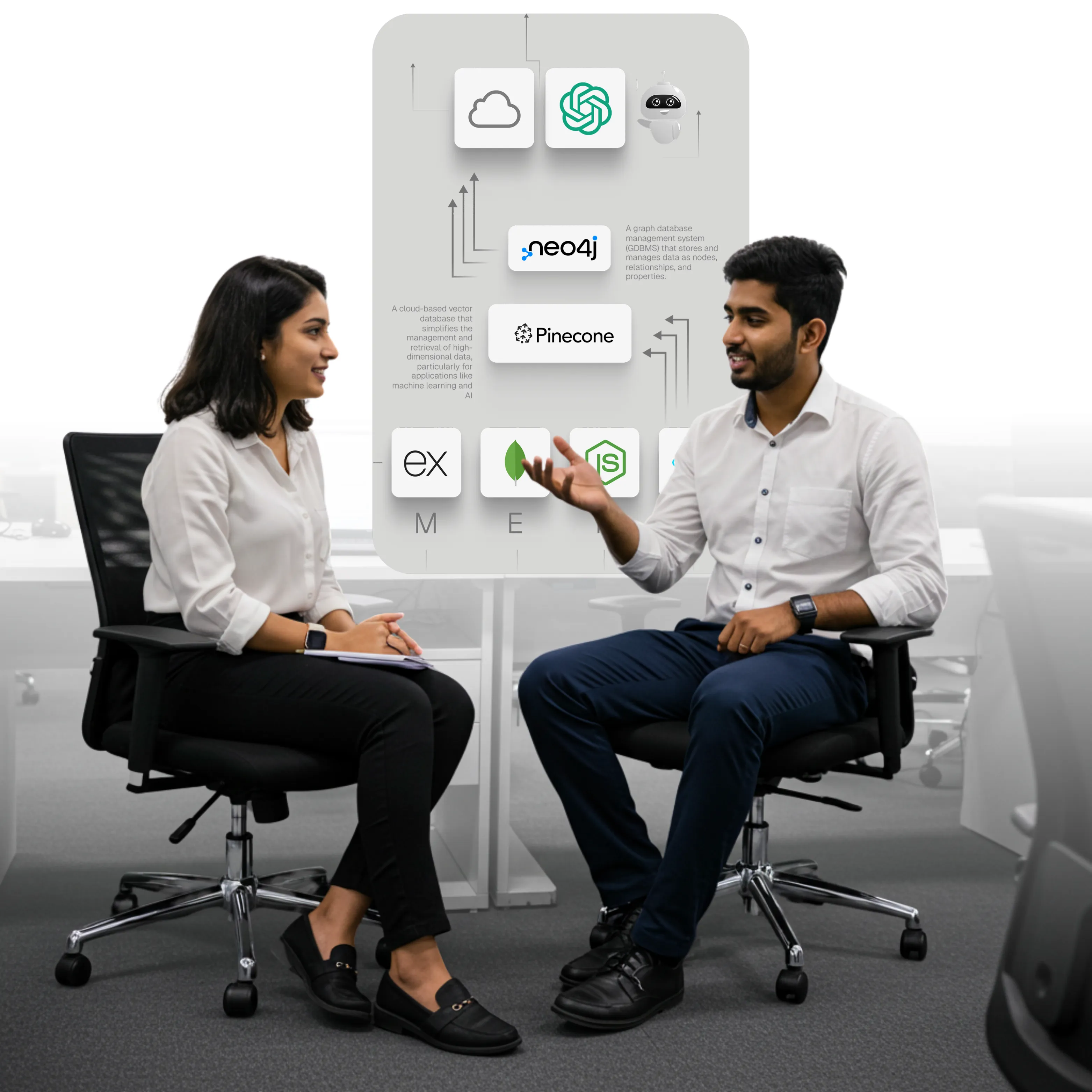
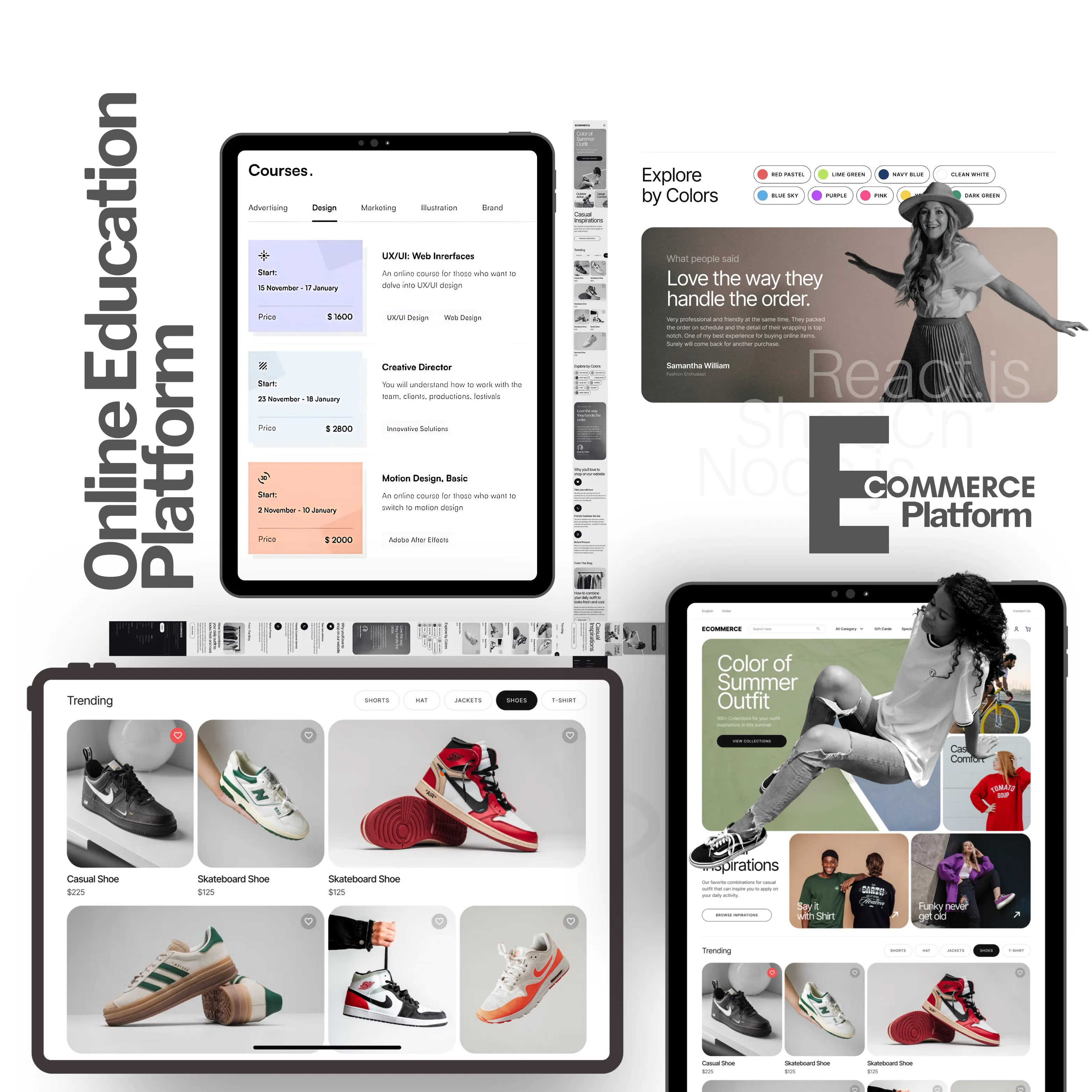
 Flexibility - learn on your time
 Personal mentor an career coaching video calls to keep you on track