
Why Project Managers are safe ?
Discover why software project managers are among the most AI-proof careers. Learn how AI is transforming project management and why leadership still matters.
Why Project Managers are safe ?
Artificial intelligence is transforming software development at an unprecedented pace. AI coding assistants can generate code, fix bugs, write documentation, create unit tests, and even review pull requests within seconds. Tools like GitHub Copilot, ChatGPT, Claude, and Cursor have fundamentally changed how software engineers work.
As AI continues to automate technical tasks, many software professionals are beginning to ask an important question.
Which software careers are actually safe from AI?
While roles focused primarily on repetitive coding and administrative work are evolving rapidly, one profession continues to grow in importance: software project management.
Rather than replacing software project managers, AI is making them even more valuable. As development teams become faster and AI-powered workflows become more common, organizations need professionals who can coordinate teams, align business objectives, manage project risks, and ensure software products are delivered successfully.
Here's why software project management is becoming one of the most future-proof careers in the technology industry.
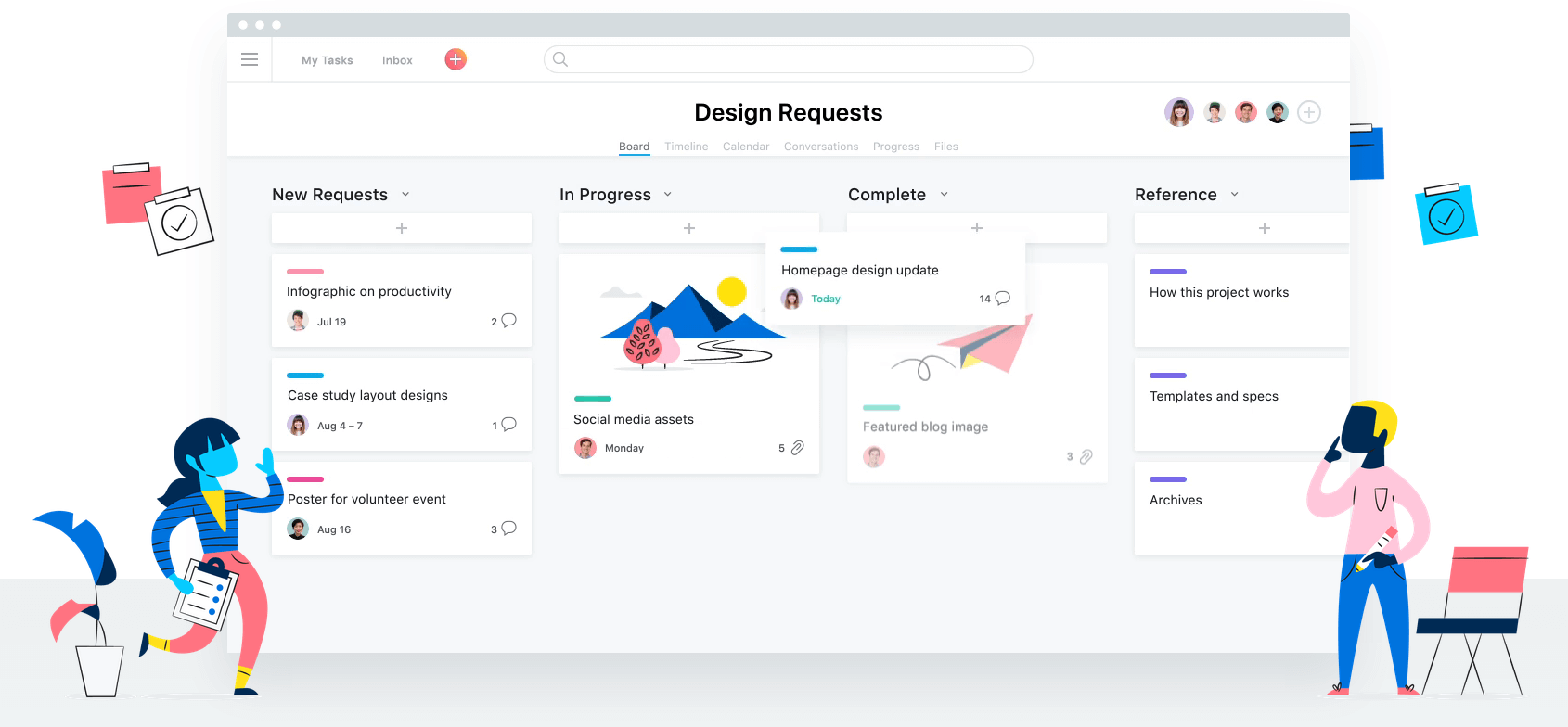
AI Is Changing Software Development, Not Eliminating It
Artificial intelligence has dramatically increased developer productivity.
Today, AI can help software engineers:
Generate production-ready code
Explain complex algorithms
Write technical documentation
Debug applications
Create unit tests
Build APIs
Review pull requests
Generate SQL queries
Automate repetitive coding tasks
These capabilities save countless hours during software development.
However, software projects involve much more than writing code.
Every successful software product requires planning, prioritization, communication, leadership, budgeting, risk management, stakeholder collaboration, and strategic decision-making.
These responsibilities cannot simply be delegated to an AI assistant.
Why Software Project Managers Are Becoming More Important
As AI accelerates software development, companies can build products faster than ever before.
Ironically, this creates an even greater need for effective project management.
When development cycles become shorter, software teams need someone who can:
Define project scope
Prioritize product features
Coordinate developers and QA engineers
Manage sprint planning
Handle stakeholder expectations
Resolve technical dependencies
Monitor project risks
Ensure timely releases
Without effective coordination, faster coding simply results in faster chaos.
Software project managers ensure that development teams remain aligned with business objectives while delivering high-quality software on schedule.

Why Software Project Management Is an AI-Proof Career
One reason software project management remains resilient is that the role revolves around people rather than technology.
AI performs exceptionally well when tasks follow predictable patterns.
Project management rarely follows predictable patterns.
Every software project introduces new challenges:
Changing client requirements
Budget constraints
Unexpected bugs
Team conflicts
Scope creep
Tight release deadlines
Security concerns
Resource shortages
Managing these situations requires experience, judgment, and leadership.
These are qualities AI cannot fully replicate.
AI Can Write Code But It Cannot Lead Development Teams
Writing software is only one part of building successful products.
Software project managers spend much of their time helping people work together effectively.
Their responsibilities include:
Facilitating Agile ceremonies
Leading sprint planning
Coordinating cross-functional teams
Communicating with executives
Resolving developer blockers
Managing client expectations
Negotiating project priorities
These activities depend heavily on interpersonal communication.
Artificial intelligence can summarize meetings.
It cannot build trust between engineering teams.

The Human Skills AI Cannot Replace
As automation becomes increasingly capable, human skills become increasingly valuable.
Software project managers rely on several abilities that remain extremely difficult for AI to master.
Leadership
Software teams perform best when they have clear direction.
Project managers create alignment by communicating project goals, motivating teams, and maintaining momentum throughout the software development lifecycle.
Leadership is about influencing people, not processing data.
Emotional Intelligence
Software development involves constant collaboration.
Developers disagree on technical solutions.
Stakeholders request last-minute changes.
Clients become frustrated when deadlines shift.
Project managers must understand emotions, manage conflicts, and maintain productive relationships across multiple teams.
Although AI can detect emotional tone, it cannot genuinely understand workplace dynamics.
Strategic Decision-Making
Software projects rarely have perfect solutions.
Should a release be delayed to improve quality?
Should technical debt be addressed before building new features?
Should the team prioritize customer requests or business objectives?
These decisions require balancing technical, financial, and organizational priorities.
AI can recommend options.
Humans remain responsible for making the final decisions.
Creativity and Problem Solving
Every software project eventually encounters unexpected obstacles.
Servers fail.
APIs change.
Developers leave.
Budgets shrink.
Requirements evolve.
Project managers solve these problems by adapting strategies rather than following predefined rules.
Creative problem-solving remains one of the most valuable human skills in software development.
AI Is Becoming a Powerful Assistant for Software Project Managers
Artificial intelligence is not replacing project managers.
It is eliminating repetitive administrative work.
Modern AI tools can already help with:
Writing Jira tickets
Generating sprint summaries
Creating release notes
Drafting project documentation
Summarizing stand-up meetings
Building project timelines
Tracking project risks
Organizing meeting notes
Producing stakeholder reports
Instead of spending hours on documentation, project managers can focus on leadership, planning, and strategic execution.
This shift allows organizations to deliver software more efficiently without sacrificing human decision-making.
From Project Coordinator to Strategic Leader
Traditionally, software project managers spent much of their day updating spreadsheets, scheduling meetings, and tracking project progress.
AI is rapidly automating these responsibilities.
As a result, the profession is evolving.
Today's software project managers are increasingly expected to become strategic business leaders.
Their responsibilities now include:
Driving digital transformation
Leading AI adoption initiatives
Managing organizational change
Improving software delivery processes
Aligning engineering with business goals
Managing product roadmaps
Supporting executive decision-making
The role is becoming more influential rather than less important.
Should Software Developers Transition into Project Management?
Many experienced software engineers eventually move into project management.
Their technical background provides a significant advantage because they understand software architecture, development workflows, Agile methodologies, and engineering challenges.
However, technical knowledge alone is not enough.
Successful software project managers also develop strong communication, leadership, negotiation, and stakeholder management skills.
Professionals who combine technical expertise with business leadership are becoming increasingly valuable as organizations expand their AI capabilities.
Skills Every Future Software Project Manager Should Learn
Professionals looking to build a future-proof software career should focus on developing skills that complement artificial intelligence rather than compete with it.
These include:
Agile Project Management
Scrum Methodologies
Stakeholder Communication
Leadership
Risk Management
Product Planning
Business Analysis
Cross-Functional Collaboration
Change Management
Conflict Resolution
Critical Thinking
AI Tool Integration
Software Development Lifecycle (SDLC)
DevOps Fundamentals
Strategic Decision-Making
These skills remain highly transferable across startups, enterprise software companies, consulting firms, fintech, healthcare, cybersecurity, and cloud computing organizations.
The Future of Software Project Management
Artificial intelligence will continue transforming software engineering.
Developers will write code faster.
Testing will become increasingly automated.
Documentation will be generated instantly.
Routine administrative work will largely disappear.
Yet software development will still require people who can connect technical teams with business objectives.
Organizations will continue relying on professionals who can manage complex software projects, coordinate stakeholders, resolve uncertainty, and lead teams toward successful product delivery.
Rather than replacing software project managers, AI is redefining their role.
The future belongs to professionals who know how to combine human leadership with AI-powered productivity. Those who embrace both technology and people management will be among the most valuable contributors in tomorrow's software industry.
You may also like

What Is TypeSafe AI?
Discover Jev, TypeSafe AI’s System One Model for fast, type-safe, calibrated AI decisions built for software automation.

What Is Paperclip and How Does It Help You Manage AI Agent Teams?
Learn what Paperclip is, how it manages AI agent teams, controls costs, enables human approvals, and coordinates agents across different AI runtimes.

How Do You Actually Teach Engineering Judgment?
Learn how STEMLink teaches engineering judgment through a four-step approach: learn, build, test limitations, and understand why real-world systems need more.