
What is Vibe Coding?
Discover what Vibe Coding is and how AI-assisted software development is transforming programming. Learn why AI coding tools, GitHub Copilot, and generative AI are shifting developers from writing syntax to focusing on system design, software architecture, developer productivity, and the future of software engineering careers.
What is Vibe Coding?
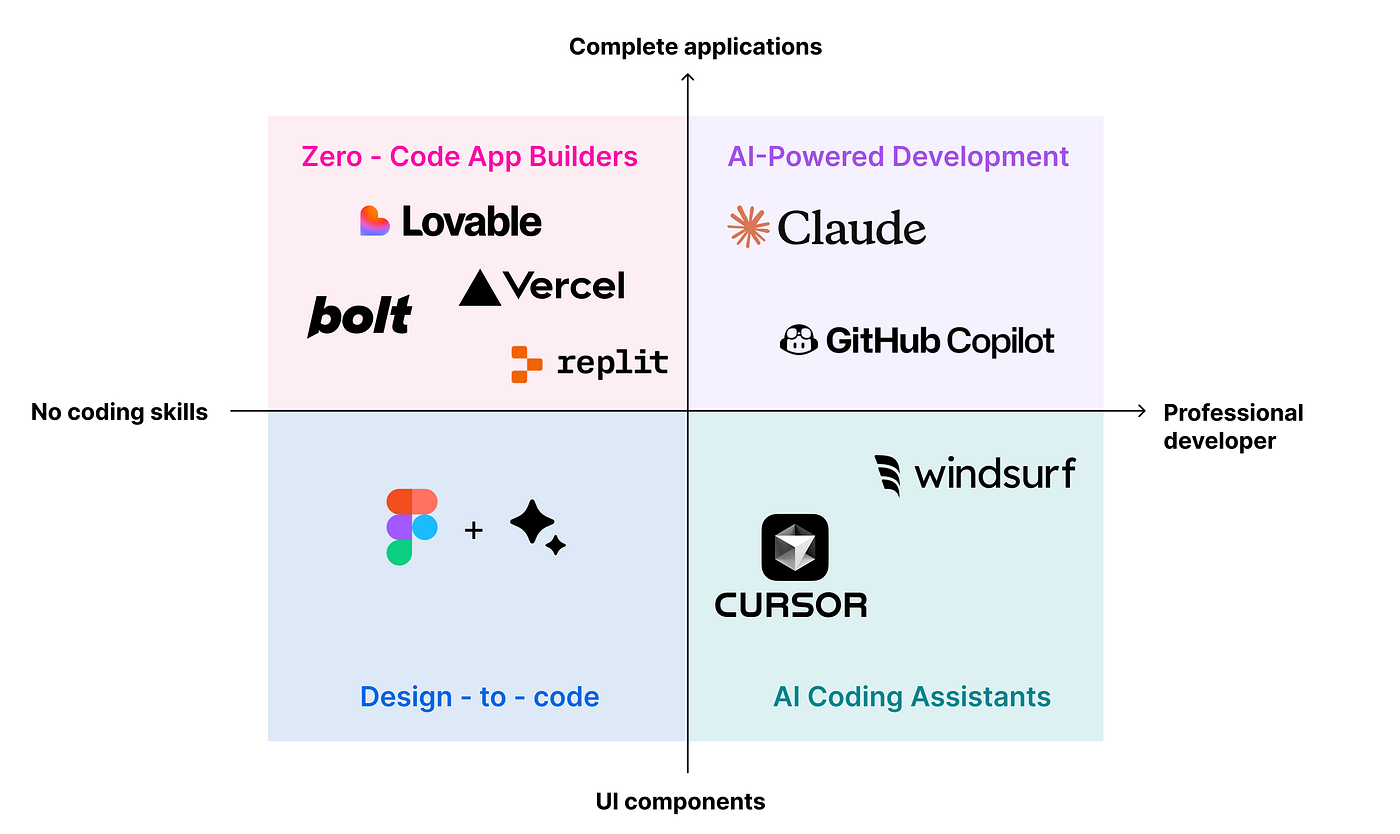
"Vibe Coding" is trending across developer communities, but it's not just hype. It represents a fundamental shift in how developers work with AI to build software.
What Is Vibe Coding?
Vibe Coding describes a development approach where developers act as orchestrators and architects rather than syntax executors. Instead of writing every line manually and debugging errors, developers express their intent, system requirements, and architectural vision. AI models handle implementation, syntax, and error correction.
Think of it like a film director working with a cinematographer. The director communicates the vision. The cinematographer makes it happen. In vibe coding, the developer directs, and AI provides the technical execution.
The traditional workflow was: Write code -> Run -> Get errors -> Debug -> Run again.
The new workflow is: Express intent -> AI generates -> Review -> Approve.
The Syntax Error Becomes Obsolete
Syntax errors were the gatekeeper of programming for decades. A misplaced semicolon or forgotten bracket meant hours of debugging. With AI coding assistants, syntax validation transfers to machines exponentially better at catching these issues. Syntax errors become exceptional, not routine.
From Implementation to Architecture
The real shift isn't about typing less. Syntax and debugging were never the hard part of engineering. The hard problems are:
Solving the right problem
Designing scalable systems
Making architectural decisions that avoid technical debt
Building software users actually need
Vibe coding requires developers to think more clearly about system design, constraints, performance, security, and how components interact.
The New Skills That Matter
With syntax off the table, developers need to excel at:
System Thinking: Architecture patterns and design principles
Intent Expression: Clearly communicating what you want built and why
Guardrails Definition: Setting rules and boundaries for AI to work within
Specialization: Security, performance optimization, infrastructure, or domain expertise
Collaboration: Working with AI as a thinking partner
FAQs
Q: Does vibe coding mean I don't need to know how to code?
A: No. You need to understand code deeply to direct it effectively. You also need to review and validate AI output. The difference is you're not spending time on syntax minutiae.
Q: Will vibe coding eliminate developer jobs?
A: History suggests no. When new tools emerge, roles shift rather than disappear. Developers become architects and system designers. Companies that adopted previous tools like IDEs and version control didn't reduce developer headcount. They shipped more features and solved harder problems.
Q: What's the difference between vibe coding and "no-code" platforms?
A: Vibe coding still involves code. Developers maintain full control and understanding of what's built. No-code platforms abstract code away entirely. Vibe coding is about developers being more strategic with their time.
Q: How do I know if the AI-generated code is correct?
A: You review it. AI handles syntax and structure, but you validate architecture, performance, security, and business logic. This is why understanding systems deeply remains critical.
Q: What if the AI misunderstands my intent?
A: This happens. That's why clear communication is essential. The better you articulate requirements, constraints, and edge cases, the better results you get. It's like writing good documentation for a team.
Q: Is vibe coding only for certain languages or frameworks?
A: No. It works across all major programming languages and frameworks. Python, JavaScript, Go, Rust, React, Django, Node.js, all support AI-assisted development.
Q: How much faster can I actually build with vibe coding?
A: Teams report 30-40% faster feature completion. The speed gain comes from eliminating syntax debugging, not from less thinking.
Q: What about security and code quality?
A: Security improves when developers focus on architecture and guardrails rather than syntax bugs. Code quality depends on clear intent and thorough review, not on who typed the characters.
Q: Do I need special tools to start vibe coding?
A: Modern AI coding assistants (like Claude, GitHub Copilot, and others) enable vibe coding. You need to understand how to collaborate with them effectively.
Q: Will vibe coding change how teams are structured?
A: Yes. Teams will shift toward more architects and system designers. Roles will emphasize code review, security, and architecture over implementation speed. Teams with clear standards and guardrails see better results.
Q: What if I prefer writing code manually?
A: You can. Vibe coding isn't mandatory. But the developers who adapt will move faster and work on higher-level problems. The choice affects your career trajectory.
Q: How do I learn vibe coding if I trained on traditional development?
A: Practice expressing intent clearly. Learn system design patterns. Understand guardrails. Work with AI assistants on small projects first. The fundamentals you know still apply. You're just applying them at a different level.
Q: Is this happening in production systems right now?
A: Yes. Teams at major companies are already shipping production code using AI assistance. It's not a future concept. It's current reality.
Q: What's the biggest risk of vibe coding?
A: Developers stopping critical thinking. Without disciplined intent and thorough review, you get incoherent systems. The developers who thrive are those who think harder about what they're asking for, not less.
The Bottom Line
Vibe coding isn't about working less. It's about working on harder, more interesting problems. Syntax errors are becoming a machine's problem. Architecture, design, and intent orchestration become yours.
The developers who understand this shift will build the next generation of software. The question is whether you'll lead that shift or play catch-up.
You may also like

What Is TypeSafe AI?
Discover Jev, TypeSafe AI’s System One Model for fast, type-safe, calibrated AI decisions built for software automation.

What Is Paperclip and How Does It Help You Manage AI Agent Teams?
Learn what Paperclip is, how it manages AI agent teams, controls costs, enables human approvals, and coordinates agents across different AI runtimes.

How Do You Actually Teach Engineering Judgment?
Learn how STEMLink teaches engineering judgment through a four-step approach: learn, build, test limitations, and understand why real-world systems need more.