
What are the Tech Careers That Won't Exist in the Future?
AI is rapidly reshaping the tech industry, automating entry-level roles like manual QA, basic data entry, and reporting-only analysis. To stay competitive, professionals must pivot from task-based execution to high-value problem-solving. Discover which tech careers are fading in 2026 and the exact skills you need to future-proof your career today.
What are the Tech Careers That Won't Exist in the Future?
The tech industry spent years being the safe answer to "what career should I choose?" Learn to code. Get into software. Tech jobs are recession-proof.
That advice is getting more complicated by the day.
AI is not coming for blue-collar work first. It is coming for the entry-level tech roles that millions of people spent time and money training for. The displacement is quiet, it is already happening, and the jobs at risk are not the ones most people expect.
Here is an honest breakdown of which tech roles are fading and exactly where to move instead.
1. Manual QA Tester

This is probably the most immediate casualty in tech. Manual QA testers click through applications, run test scenarios by hand, and log bugs. It is repetitive, structured, and completely predictable, which means it is exactly the kind of work AI handles well.
AI-powered testing tools now run thousands of test cases simultaneously, detect regressions automatically, flag anomalies before a human would catch them, and learn from previous failures to prioritize what to test next. Tools like Testim, Mabl, and Applitools have reached a level where entire manual regression suites are being replaced in a single sprint.
Job postings for manual QA roles have been declining steadily. Companies are not replacing those testers when they leave. They are replacing the role itself with automation.
Pivot to: QA Automation Engineering using Selenium, Cypress, or Playwright. AI Testing Strategy, performance testing, and security testing are all areas where human judgment still drives real value. The job is not going away. The manual version of it is.
2. Junior Frontend Developer Doing Only UI Implementation
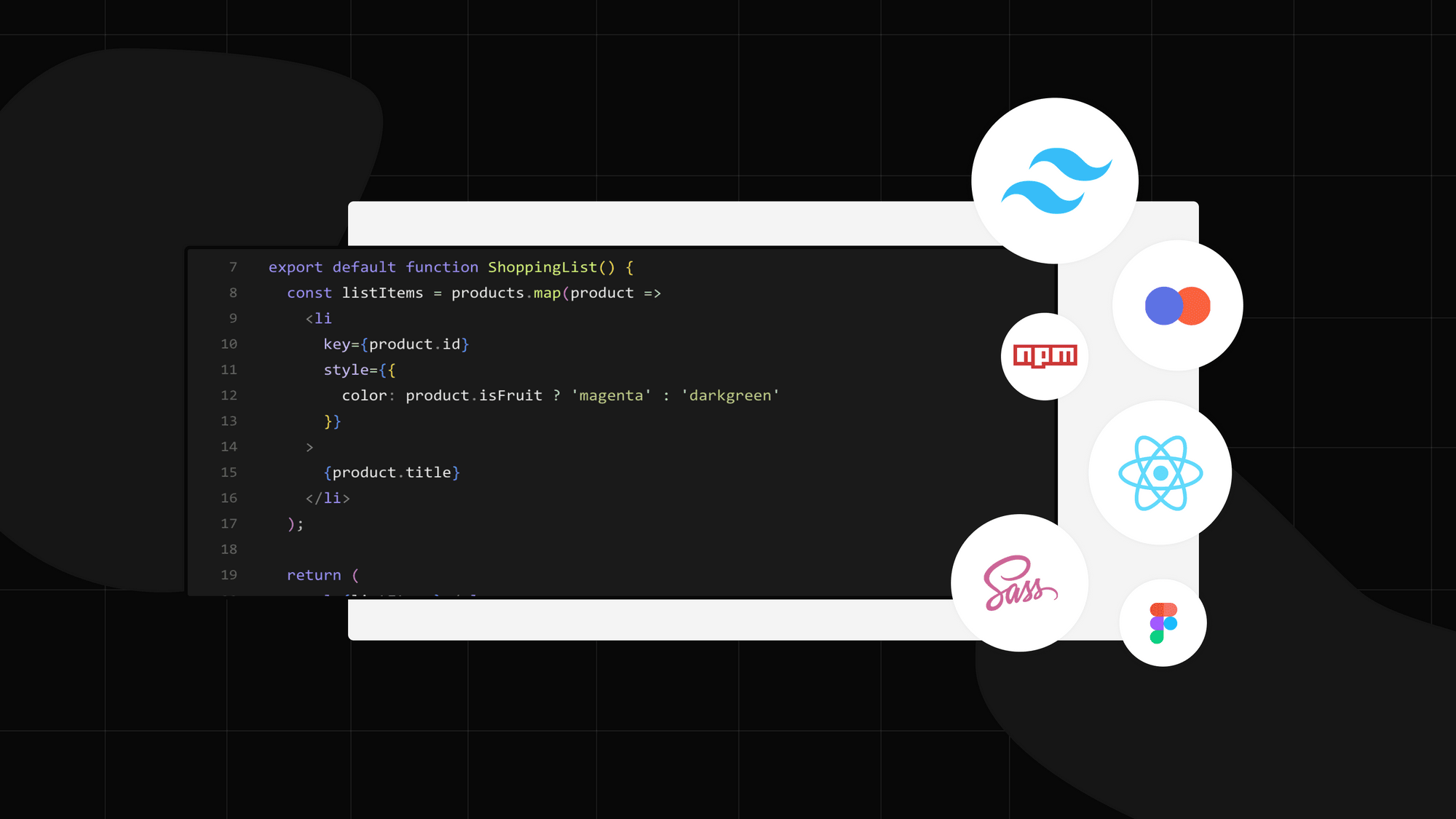
If your entire job is taking a Figma design and converting it into HTML, CSS, and basic JavaScript components, that workflow is being compressed fast. Tools like GitHub Copilot, Cursor, and v0 by Vercel can generate production-ready UI components from a screenshot or a text description in seconds.
A senior developer in 2026 can now do the implementation work of a three-person junior team in a single afternoon using AI tools. That math does not leave much room for entry-level frontend roles that only handle UI translation.
The junior frontend developers who are getting hired are the ones who understand performance optimization, accessibility standards, component architecture, state management patterns, and how to review and debug AI-generated code. Pure pixel-pushing is no longer a standalone skill.
Pivot to: Full-stack development, frontend architecture, web performance engineering, accessibility engineering, or React and Next.js with a focus on building and owning complete features rather than just implementing screens.
3. Basic Data Entry and ETL Developer
ETL stands for Extract, Transform, Load. It is the process of moving data between systems, cleaning it, and making it usable. Entry-level data roles that focused on writing simple ETL scripts, moving CSV files between databases, and building basic data pipelines are being automated end to end.
Modern data platforms like Fivetran, Airbyte, and dbt have automated the majority of standard data movement and transformation work. What used to take a junior data engineer several days now runs on a scheduled connector that someone senior set up once.
Pivot to: Data Engineering with a focus on pipeline architecture, data modeling, and cloud platforms like AWS, GCP, or Azure. Analytics Engineering using dbt, Spark, or Databricks. The value has moved from moving data to designing how data flows and ensuring its quality at scale.
4. IT Help Desk and Tier-1 Technical Support
Level 1 IT support handles password resets, software installation issues, basic connectivity troubleshooting, and standard ticket resolution. This is scripted, rule-based work with a finite number of outcomes. That description is a perfect match for what AI agents do well.
Companies are deploying AI-powered IT service management tools that resolve the majority of Tier-1 tickets without any human involvement. ServiceNow, Freshservice, and several other platforms have built AI resolution layers that handle the volume that used to require entire support floor teams.
This is already reflected in hiring. IT help desk roles at enterprise companies are shrinking while the same companies are growing their cloud, security, and infrastructure teams.
Pivot to: Cloud infrastructure, DevOps, site reliability engineering, or cybersecurity. These are the roles sitting one level above where automation is hitting, and demand is growing significantly faster than supply right now.
5. Junior Data Analyst Doing Reporting Only
Building the same dashboards every week, pulling the same reports, formatting numbers into slides for a stakeholder meeting. If this describes most of your workday as a data analyst, that workload is being automated by tools like Microsoft Copilot for Power BI, Looker's AI features, and automated reporting platforms that email stakeholders their numbers without anyone touching a spreadsheet.
The data analyst role is not dying. The reporting-only version of it is. Companies still need someone who can ask the right questions about the data, identify patterns that matter to the business, connect findings to product or strategy decisions, and communicate insight clearly to non-technical audiences.
Pivot to: Data science, product analytics, business intelligence engineering, or growth analytics. Add Python or SQL to your skill set if you have not already. Build dashboards that go beyond reporting and actually drive decisions.
6. SEO Content Writer with No Technical Depth

This is a tech-adjacent role but it lives inside every product company and agency with a digital presence. Junior SEO writers producing high-volume, keyword-stuffed articles are being replaced at scale. AI can generate a 1,500-word SEO article targeting a specific keyword cluster in under a minute. No agency paying a writer per article can compete with that cost structure.
What AI cannot do is write with genuine technical depth. Developer-focused content, technical documentation, engineering blog posts that require actually understanding the code, deep-dive product comparisons written by someone who has used the tool. That content still requires a human.
Pivot to: Technical writing, developer relations content, documentation engineering, or content strategy with a focus on building topical authority rather than volume. If you can write about code and actually understand it, that is a skill set that has held its value.
Where the Real Growth Is in Tech Right Now
Every role above is shrinking because it sits closest to what AI executes well: repetitive, rule-based, predictable work with clear inputs and outputs. The roles growing are the ones that sit above that layer.

AI Engineering and Prompt Engineering building systems that use AI models, fine-tuning outputs for specific use cases, and integrating AI into production applications. This is one of the fastest-growing job categories in tech right now.
Cybersecurity every new AI system is a new attack surface. Security engineers who understand cloud infrastructure, application security, and AI-specific vulnerabilities are in genuine shortage globally.
DevOps and Platform Engineering shipping AI-generated code faster requires better infrastructure, better CI/CD pipelines, and better observability. Platform engineers are more in demand now than they were when teams wrote everything by hand.
Full-Stack Engineering with AI Tooling Experience developers who can build complete features, understand the full stack, and work fluently with AI coding tools are being paid more and hired faster than any other engineering profile right now.
Data Science and Machine Learning Engineering not junior analysts running reports, but people who can build models, understand the math behind them, deploy them to production, and monitor their performance over time.
The Honest Takeaway
The tech industry is not shrinking. It is restructuring. The entry-level layer that used to serve as the training ground for junior professionals is being compressed by AI faster than most universities and bootcamps have been willing to admit.
The developers, engineers, and analysts who come out ahead are the ones who stop thinking about their job as a set of tasks to complete and start thinking about it as a set of problems to solve. AI is very good at tasks. It is still weak at judgment, architecture, strategy, and genuine technical depth.
That gap is where the career opportunity is. And the window to build those skills before the market gets even more selective is right now.
You may also like

What Is TypeSafe AI?
Discover Jev, TypeSafe AI’s System One Model for fast, type-safe, calibrated AI decisions built for software automation.

What Is Paperclip and How Does It Help You Manage AI Agent Teams?
Learn what Paperclip is, how it manages AI agent teams, controls costs, enables human approvals, and coordinates agents across different AI runtimes.

How Do You Actually Teach Engineering Judgment?
Learn how STEMLink teaches engineering judgment through a four-step approach: learn, build, test limitations, and understand why real-world systems need more.