
Most Bootcamps Stop at the Certificate. Our Software Engineering Professionals Program Doesn't.
Some programs hand you a certificate and wish you luck. STEM Link does something different.
Some programs hand you a certificate and wish you luck. STEM Link does something different.
For the best performing students in Our Software Engineering Professionals program, there is a next step that most programs cannot offer. It is called an externship. And it is the part that changes everything.
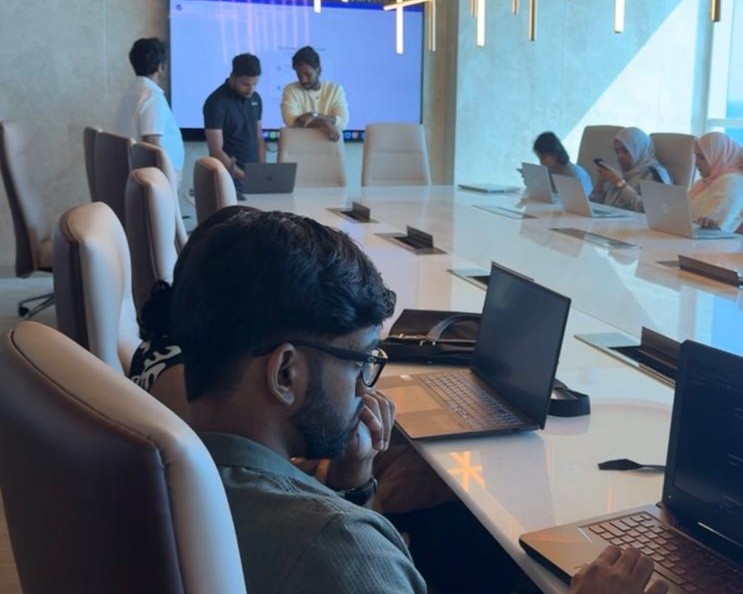
What Is an Externship, Actually?
An externship is not an internship. It is not shadowing someone and taking notes. It is not a trial run where you sit in the corner and watch professionals work.
An externship puts you inside a real company, on a real project, with real deadlines. You are not a guest. You are a contributor. The work you produce matters to the company, and the company expects you to deliver it at a professional standard.
For SEP students, the externship runs for four months alongside the program itself. That means students are not waiting until they graduate to get industry experience. They are getting it while they are still learning.
How SEP Students Got Here
Not every SEP student is placed for an externship. That is the point.
STEM Link spent time building genuine partnerships with some of Sri Lanka's most respected technology companies. These are not symbolic relationships. The companies came to STEM Link because they have real projects that need real engineers. And STEM Link went to them because the best way to prepare a student for the industry is to put them inside it.
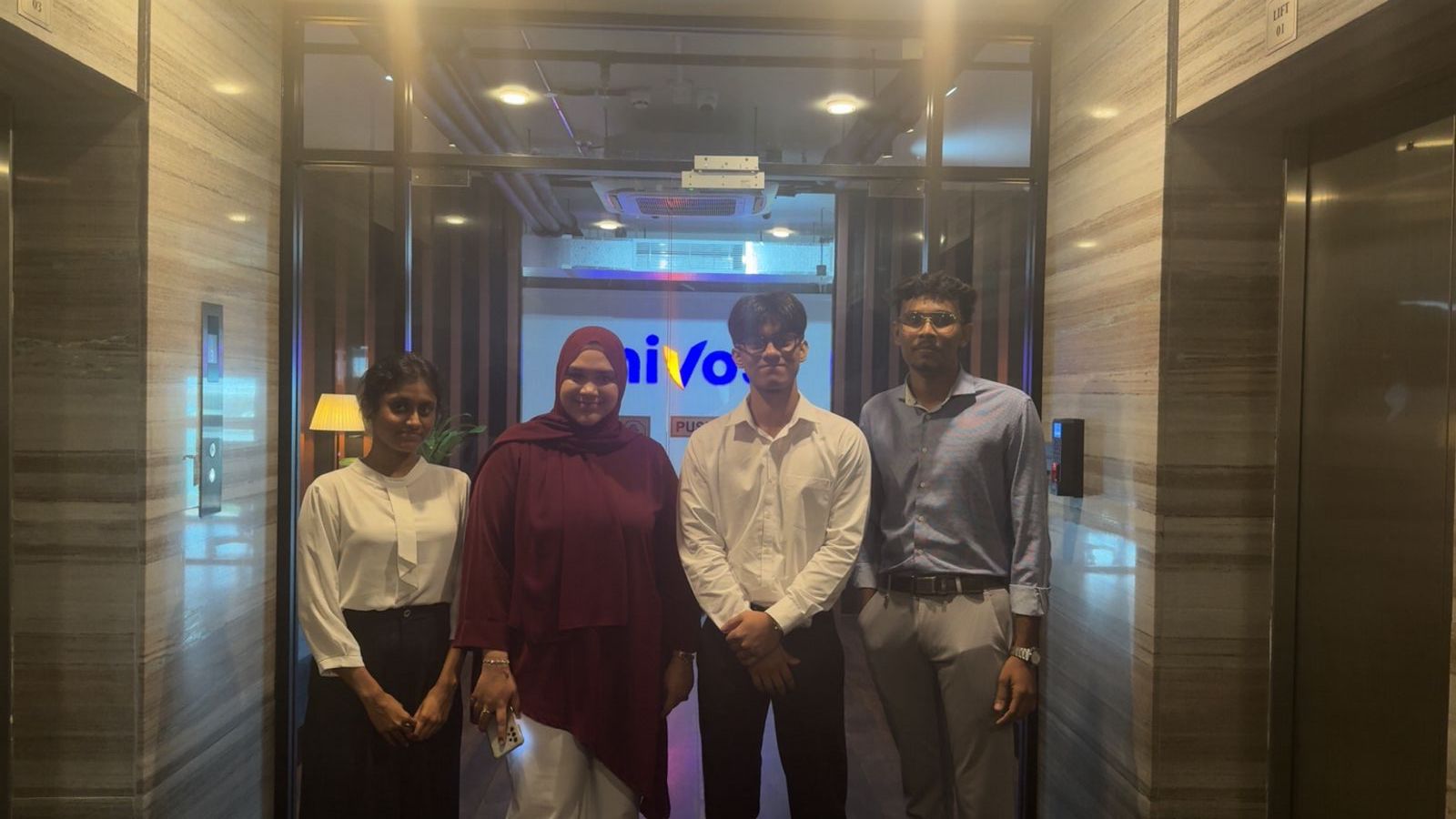
From the SEP cohort, the strongest performers were identified and selected. The criteria was simple: who has shown the technical ability, the consistency, and the professional mindset to represent STEM Link inside a company and deliver?
The students who made it through that filter are the ones now sitting inside these companies, writing production code, attending team meetings, and working toward a deadline that the company actually cares about.
What They Are Building
The projects these students are working on are not designed for students. They are designed for businesses.
One team of Inivos is building an enterprise web application for vehicle and transport maintenance management. It has to plug into live systems that are already running in production at the company. The frontend has to be fully configurable by the client. The end product has to be professional enough that the company is considering shipping it as part of their actual platform.
Another team of Emojot is building a customer engagement platform that handles messages coming in from WhatsApp, Instagram, web chat, and email, all flowing into one intelligent system powered by AI. The platform needs to log complaints, assign them to departments, track them to resolution, and hand conversations from a bot to a human without losing a single message. This is the kind of software that sits between a business and its customers every single day.
A third team of Zone 24x7 is building the licensing backbone for an entire SaaS ecosystem. Every time a user logs into one of the company's products, that product will call the system these students are building and ask for permission. The system handles subscriptions, invoices, seat limits, payment processing, automated renewals, and a complete audit log of every action ever taken. When it ships, the entire product suite depends on it.
These are not student exercises dressed up to look real. These are systems that companies need, and our students are the ones delivering them.
Before the Externship vs After
There is a version of a student who has completed a professional certification program. They know the technologies. They have done the projects. They can talk confidently in an interview. They are job ready.
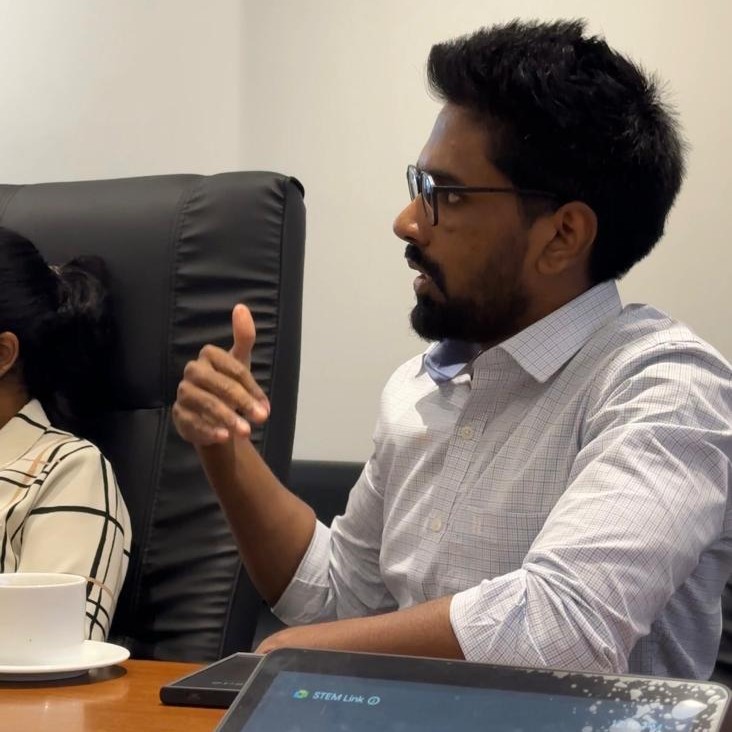
And then there is the version of a student after four months inside a real company.
Before the externship, a student knows how to build software. After the externship, they know how to build software inside a team, against a real deadline, for a client that expects results. They have navigated the gap between clean tutorial code and messy production systems. They have had to make decisions that nobody taught them to make. They have pushed code that real users will eventually touch.
Before the externship, a student has a portfolio. After the externship, they have a track record.
Before the externship, a student can say they are ready. After the externship, they can prove it.
That is the difference. And it shows up the moment they walk into their first interview.
This Is What STEM Link Is Built For
The externship is not a bonus feature of the SEP program. It is the clearest expression of what STEM Link believes learning should look like.
The fastest way to become a professional is to do professional work. STEM Link built the partnerships, identified the students, and created the conditions for that to happen. The students did the rest.
The certificate is one part of what the SEP program gives you. This is the other part.
You may also like

What Is TypeSafe AI?
Discover Jev, TypeSafe AI’s System One Model for fast, type-safe, calibrated AI decisions built for software automation.

What Is Paperclip and How Does It Help You Manage AI Agent Teams?
Learn what Paperclip is, how it manages AI agent teams, controls costs, enables human approvals, and coordinates agents across different AI runtimes.

How Do You Actually Teach Engineering Judgment?
Learn how STEMLink teaches engineering judgment through a four-step approach: learn, build, test limitations, and understand why real-world systems need more.