
Is UI/UX dead in 2026?
Is UI/UX dead in 2026? Not even close. What's disappearing is generic design work that looks identical to everyone else's. As AI automates screens and layouts, employers increasingly value designers who can solve real user problems, navigate uncertainty, collaborate across teams, and connect design decisions to measurable business outcomes.
Is UI/UX dead in 2026?
Recruiters in 2026 are tired. Not of hiring designers they're desperate for them. They're tired of seeing the same food delivery app redesign in portfolio after portfolio. Same Bento grid. Same pastel color palette. Same five-step design process dressed up like original thinking.
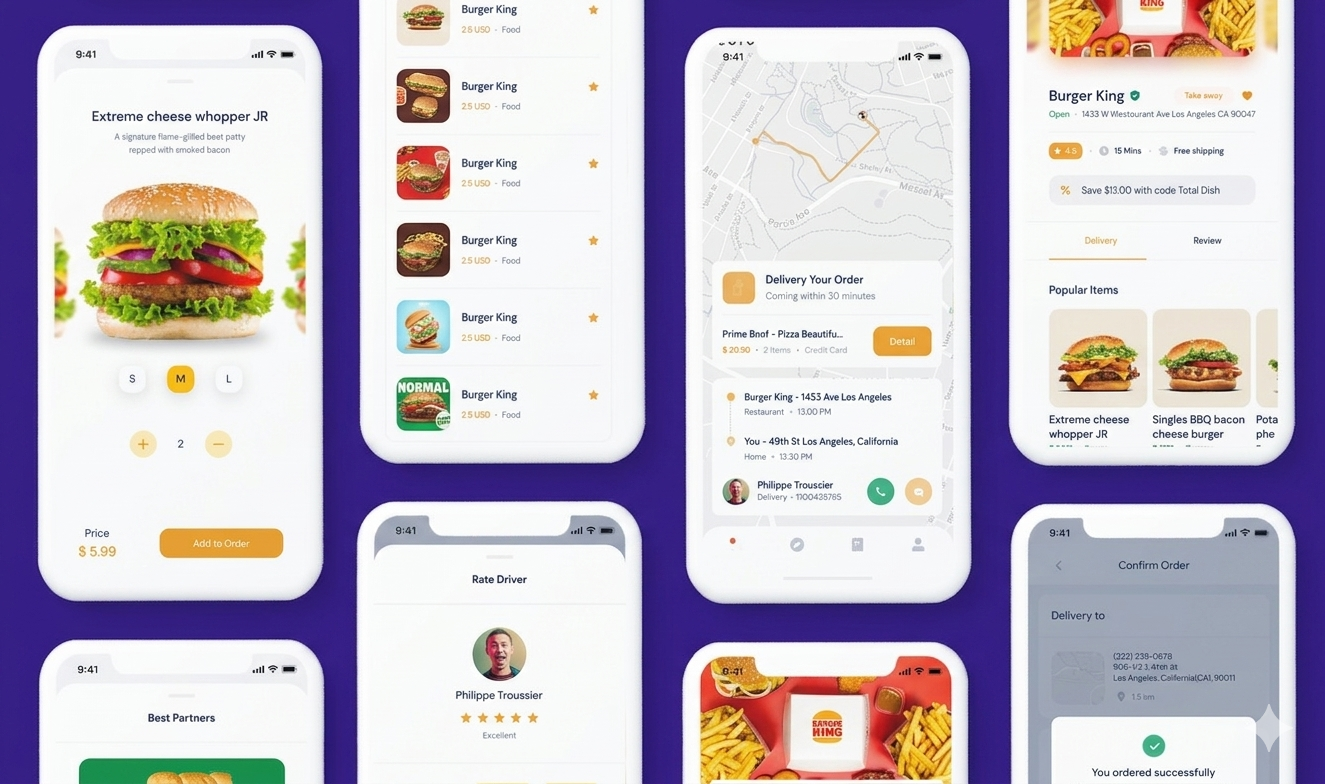
If your portfolio looks like every other Figma file on the internet, it isn't a portfolio. It's a template submission.
The Real Reason Everyone's Portfolios Look the Same
Most Bootcamps and YouTube tutorials teach the safe version of UX. Clean wireframes. Polished mockups. A neat persona card with a stock photo named "Sarah, 28."
Nobody teaches you what happens when the user test fails spectacularly. Nobody shows you the Slack thread where the developer tells you your beautiful design is unbuildable. Nobody shows the pivot.
But that messy, real-world judgment? That's exactly what a senior hiring manager is scanning for. The perfect portfolio doesn't exist in real companies. Showing that you can navigate uncertainty and still ship something useful that's what separates a hire from a pass.
"But Won't AI Just Replace UI/UX Anyway?"
This comes up every week. Here's the honest answer.
AI is great at generating 20 button variations in 3 seconds. It'll give you a color scheme, a layout grid, even a rough wireframe. But it cannot sit in a user interview and feel the moment someone hesitates before clicking. It cannot negotiate a design trade-off with an opinionated engineer. It has no idea why your checkout flow has a 60% drop-off at step three.
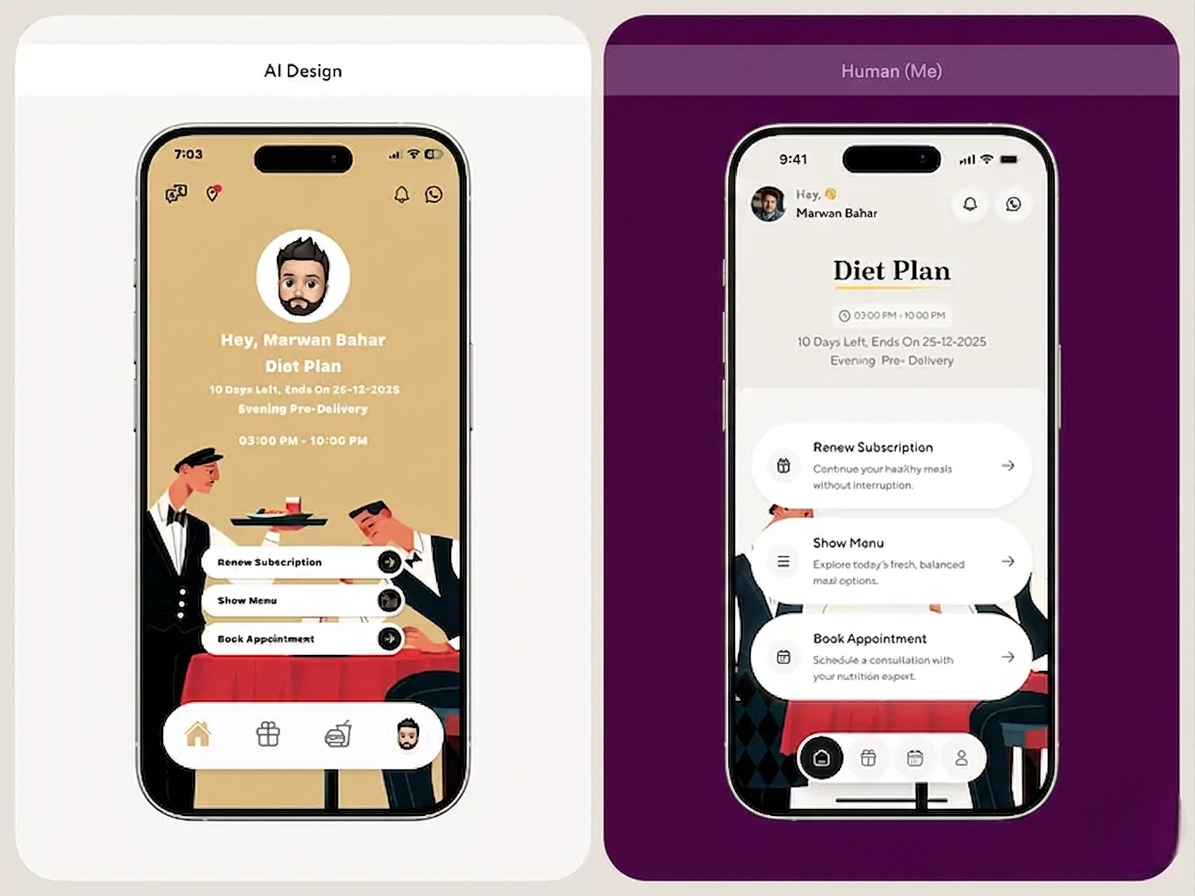
AI commoditizes the UI. That makes deep UX the moat.
The designers who are thriving right now aren't the ones who make things pretty they're the ones who understand why something isn't working and can articulate it to a product team. That skill cannot be prompted.
What Your Portfolio Actually Needs in 2026
1. Show what broke. Pick one project and write honestly about what failed in testing. Show the data. Show what you changed. Recruiters are trained to spot "design theater." Show them a real story instead.
2. Design something unsexy. A Spotify redesign tells a recruiter nothing. An enterprise dashboard for logistics operators, an accessible interface for neurodiverse users, a B2B SaaS platform these projects force you to solve real information architecture problems. That's what mid-level and senior roles demand.
3. Speak engineering and business. If your case study doesn't mention developer handoff, component systems, or how your decision impacted a business metric it reads like a student project. The best designers speak both languages.
4. Use AI as your intern, not your crutch. Let it generate rapid layout ideas and mood boards while you focus on the strategy, the user logic, and the edge cases. That's the workflow that actually scales.
Where to Build These Skills Properly
Most design courses in Sri Lanka teach you Figma. That's it.
STEM Link's UI/UX Engineer Bootcamp is different. Mentored by Iroshan De Zilva a product designer with 7 years of experience working across 30+ teams — the 14-week live program takes you from UX research all the way through to AI-powered design and portfolio building. You don't just learn the theory. You build a real product: a Smart Event Planning & Volunteer Management Platform that becomes your actual portfolio piece.
The curriculum covers everything that actually matters right now:
UX research and user interviewing
Information architecture and wireframing
High-fidelity UI and prototyping with Figma
Usability testing with real users
AI in UX how to use tools in a real design workflow
Career coaching, portfolio setup, and mock interviews
Over 3,000 learners have gone through STEM Link programs. 150+ got paid job placements in the last 8 months alone. 80% of them started as complete beginners.
Free Webinar - 27th June
Not sure if this is the right move for you? Before you commit to anything, join the free webinar on June 27th and see exactly what the bootcamp covers, ask Iroshan your questions directly, and figure out if this is the right next step.
👉 Register here → stemlink.online/products/bootcamps/ui-ux
June intake is open now. Seats are limited this cohort.
The market isn't shrinking for UI/UX designers. It's getting more selective. The question isn't whether there are jobs it's whether you're building the kind of skills that justify the salary you want.
You may also like

What Is TypeSafe AI?
Discover Jev, TypeSafe AI’s System One Model for fast, type-safe, calibrated AI decisions built for software automation.

What Is Paperclip and How Does It Help You Manage AI Agent Teams?
Learn what Paperclip is, how it manages AI agent teams, controls costs, enables human approvals, and coordinates agents across different AI runtimes.

How Do You Actually Teach Engineering Judgment?
Learn how STEMLink teaches engineering judgment through a four-step approach: learn, build, test limitations, and understand why real-world systems need more.