
How Junior Developers Can Stay Relevant ?
Discover how junior developers can stay relevant in the AI era by mastering software engineering fundamentals, problem-solving, system design, and communication skills. Learn why AI coding assistants won't replace developers who understand architecture, specialize in high-demand technologies, and build real-world projects. Future-proof your tech career in Sri Lanka and beyond.
How Junior Developers Can Stay Relevant ?
Sri Lanka's tech industry is competitive. AI coding assistants are now standard tools. The question isn't whether AI will impact your career. It's whether you'll use it to your advantage.
The answer is simple: Junior developers who understand what AI cannot do will be most valuable.
What AI Cannot Do

AI excels at boilerplate, syntax, patterns, and standard code. AI struggles with unclear requirements, architectural decisions, business context, and knowing when to break conventions.
Your opportunity is in these gaps.
The Skills That Matter
Problem Understanding: Ask questions before coding. What problem are we solving? Who uses this? What happens if we're wrong?
Communication: In remote teams with clients worldwide, clear communication matters more than typing speed. Can you explain decisions and document your thinking?
Systems Thinking: Understand how databases, APIs, frontend/backend decisions, infrastructure, and security interact. This separates junior from mid-level developers.
Specialization: Generic developers are commoditized in Sri Lanka. Pick one area and go deep. Web performance, mobile architecture, backend systems, DevOps, database optimization, or security.
Domain Knowledge: Understand the industry you build for. Fintech, e-commerce, healthcare, real estate each have their own logic.
Career Path by Experience Level
Starting Out: Learn fundamentals. Use AI tools from day one. Master one tech stack (React/Node, Flutter/Firebase, Django/PostgreSQL). Build real projects, not tutorials. Document your work.
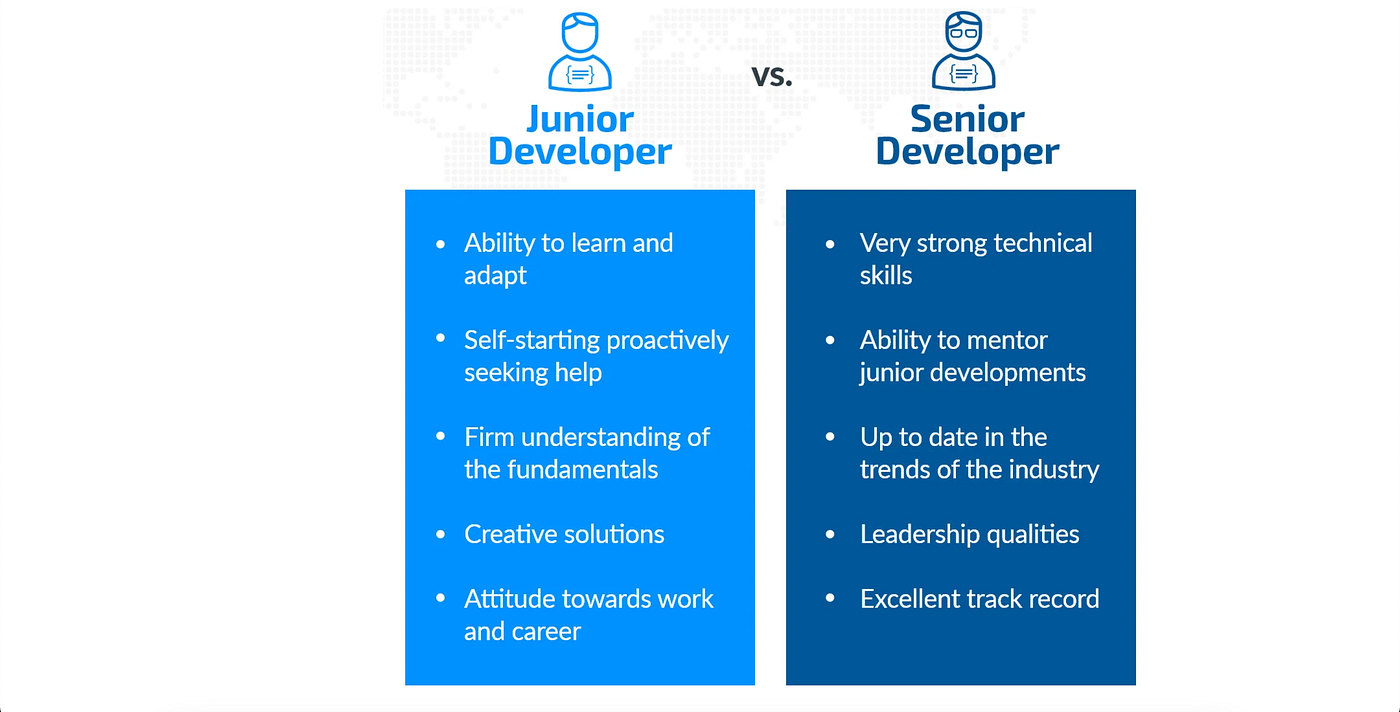
1-2 Years In: Specialize. Understand your systems deeply. Read experienced developers' code. Contribute to open source. Mentor others.
2-3 Years In: Target mid-level roles. Build something complex under pressure. Know your market value. Build your personal brand.
Sri Lanka-Specific Reality
Remote Work: Your timezone is valuable but not rare anymore. Stand out through reliability and communication, not location.
Salaries: Generic junior developers plateau. Specialized developers earn 2-3x more. If you can optimize databases, lead architecture decisions, or solve security problems, you're valuable.
Competition: Many Sri Lankan developers work abroad. This is opportunity. Companies need competent local developers. Build skills and capture it.
English Proficiency: Communication is your differentiator in remote teams. Invest in clear writing.
The Truth
AI replaces developers who treat coding as typing. It doesn't replace developers who solve problems.
Your job security depends on one thing: being harder to replace than the cost of an AI tool. This is good news. You're competing against other developers, not machines.
FAQs
Q: Should I learn code or focus on soft skills?
A: Both. Code is your medium. Master it. But understand problems more than syntax. That's the shift.
Q: Will AI take junior jobs in Sri Lanka?
A: Generic "write from spec" roles will disappear. Roles requiring problem-solving will grow. Don't be generic.
Q: How much should I use AI tools while learning?
A: Use heavily. But understand what you're doing. Modify, break, fix, and explain generated code.
Q: When should I specialize?
A: Learn fundamentals first (6-12 months). Then specialize. By year 2, have a clear direction.
Q: Do fundamentals change with AI?
A: No. Database design, API design, security, caching, architecture principles stay stable. Learn these, not just frameworks.
Q: How do I stand out locally?
A: Build real products. Write about what you learn. Open source. Be reliable. Communicate clearly.
Q: Freelance or company work?
A: Company work for your first 1-2 years. You need mentorship at scale. Freelancing comes later.
Q: How often should I change jobs?
A: Every 1-2 years if you're not learning. Every 3-4 years if you're growing. Move strategically.
Q: What's my advantage over developers elsewhere?
A: Initially: timezone and cost. Long-term: your skills and reliability. Build both.
Q: Will remote work always be available?
A: Remote work is competitive globally. You're hired for being smart and affordable. As you advance, prove you're smart. The affordable part becomes irrelevant.
Q: How do I know I'm progressing?
A: Every 6 months ask: Am I solving harder problems? Am I more valuable? Can I explain my work clearly?
Q: What mistake do most junior developers make?
A: Treating development as a job, not a craft. Successful developers see it as continuous learning.
Bottom Line
AI is here. Use it to become more valuable or fall behind. Junior developers thriving in 5 years will understand that AI lowers the floor (basic competency is cheaper) but raises the ceiling (excellent developers are more valuable).
Build real skills. Understand systems. Communicate clearly. Specialize. Your location doesn't matter. Your capability does.
You may also like

What Is TypeSafe AI?
Discover Jev, TypeSafe AI’s System One Model for fast, type-safe, calibrated AI decisions built for software automation.

What Is Paperclip and How Does It Help You Manage AI Agent Teams?
Learn what Paperclip is, how it manages AI agent teams, controls costs, enables human approvals, and coordinates agents across different AI runtimes.

How Do You Actually Teach Engineering Judgment?
Learn how STEMLink teaches engineering judgment through a four-step approach: learn, build, test limitations, and understand why real-world systems need more.