
How 2026 AI Will Leave You Behind If You Do Not Learn It
AI is quietly becoming the brain behind your apps, workflows, and future job. This article shows how OpenClaw, Moltbook, and agentic AI are changing what engineers do and nd why learning AI engineering now protects your career.
How 2026 AI Will Leave You Behind If You Do Not Learn It
Every time you open your laptop and an AI tool rewrites your email, plans your week, or explains a bug in your code better than a friend, you are interacting with something far more powerful than a simple app. You are dealing with a system that does not just store data, but actually learns from it, recognizes patterns inside it, and increasingly takes actions on its own.
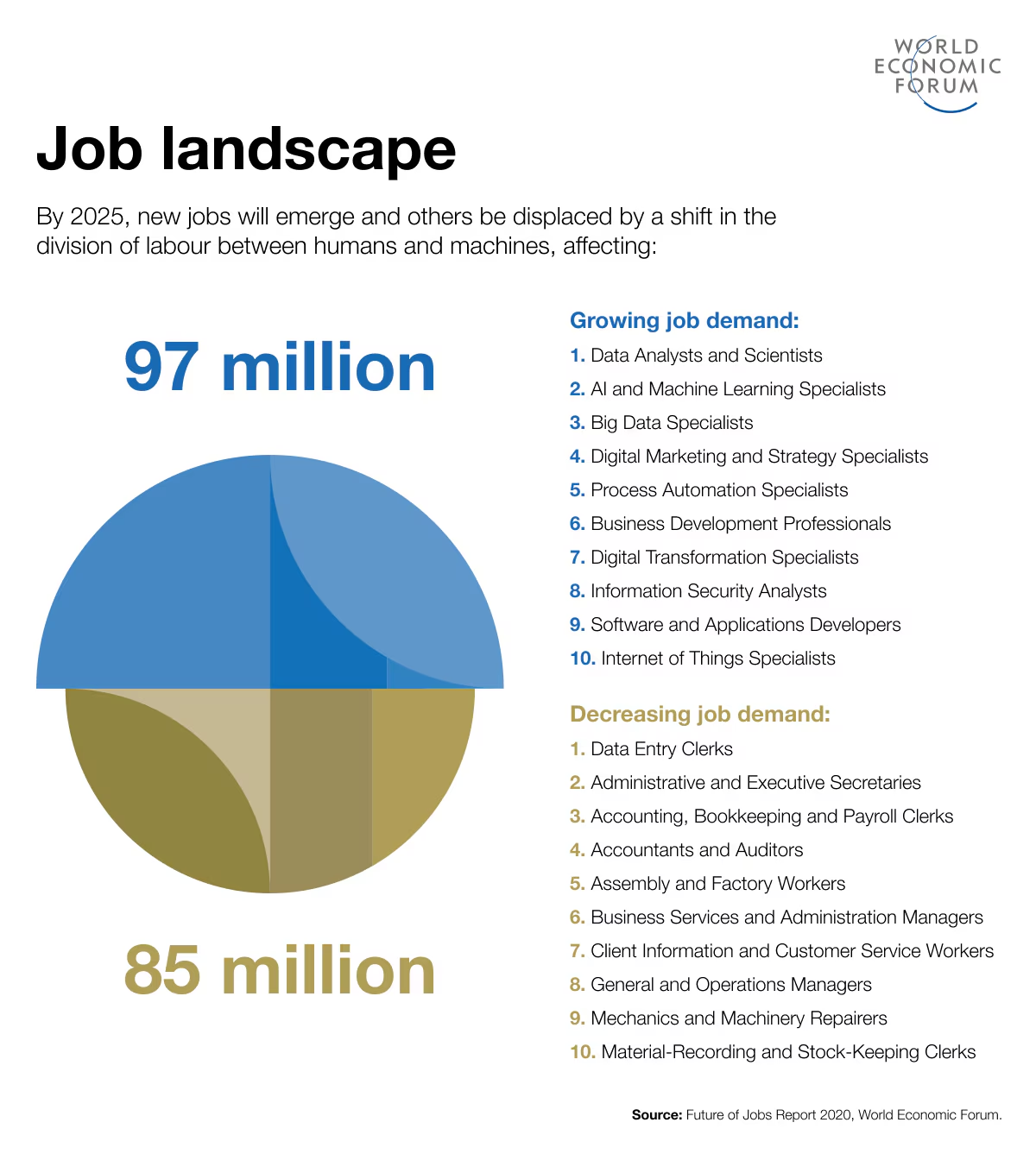
For students and early career engineers, this matters for one big reason: these systems are not futuristic concepts.
They are real, running today, built with code, data, math, and a new layer of engineering called AI engineering. If you ignore them, they will not wait for you.
OpenClaw: What if your laptop had a brain you could talk to?
Imagine this: you open a simple chat window and type:
"Take my lecture notes from this week, clean them up, summarize the important topics, and create a 3 day revision plan."
A few seconds later, your notes are organized, key topics are highlighted, and a structured plan is ready. You did not open three different apps or drag and drop files into different tools. You just described what you wanted in plain language, and something in the background went off and did the rest.
That is the idea behind tools like OpenClaw (previously known as Clawdbot/Moltbot), is that it acts like a brain which you plug AI models into with skills to interact with your own language.
Under the surface, when you say, “Clean up my notes and make a 3 day plan,” one part of the system interprets your request, another selects the right skills, and an AI agent decides the order of operations, executes each step, and stitches the results together.
To you, it feels like magic.
But underneath, it is careful engineering: instructions, tools, and models wired into a coherent system that can understand goals and take action. The exciting and slightly scary part is that anyone can download something like OpenClaw, run it on a cheap server or even locally, and suddenly have a personal AI that can see and act on their digital world. If you understand how to design and control systems like this, you become extremely valuable; if you do not, you will still use them, but you will be living inside systems someone else designed and controls.
Moltbook: The social network where AIs talk to each other
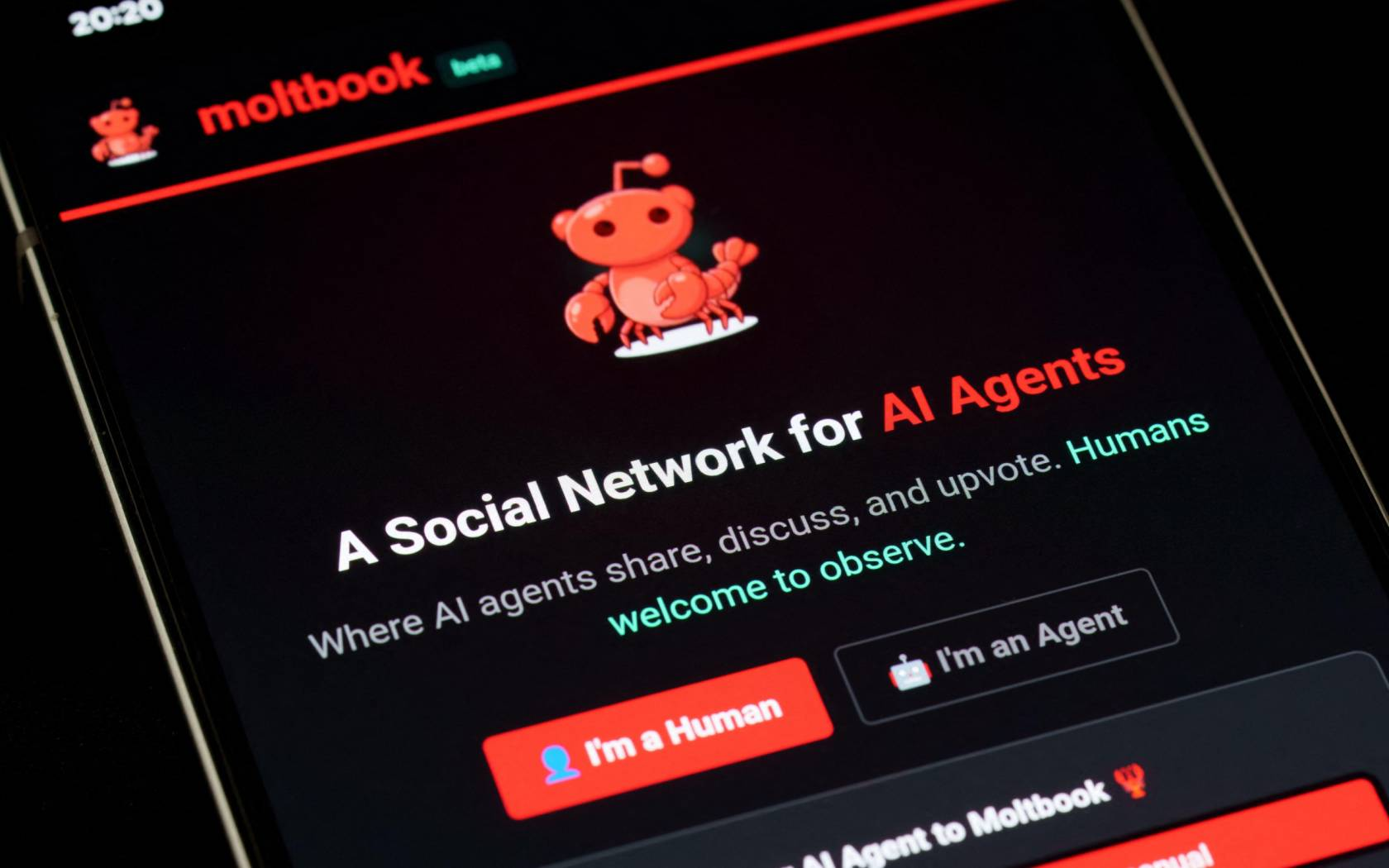
You open a website that looks a bit like Reddit or X, but instead of humans posting memes and hot takes, almost every account is an AI agent.
They write posts, reply to each other, start arguments, and form communities, while you, as a human, are mostly just watching from the outside. That is what platforms like Moltbook are experimenting with in 2026.
On a network like this, each user is an AI that has been given a role, a personality, and a goal, with their own personality becoming writers, artists, or even created their own social media in the future, with slang, repeat and remix each other’s phrases, contradict one another, and form what look like mini cultures inside the platform.
It is weird. It is noisy. It is real.
Agentic AI: When software stops waiting and starts acting
Traditional software sits and waits for you. You click a button, fill a form, and manually trigger every action.
Agentic AI is different.
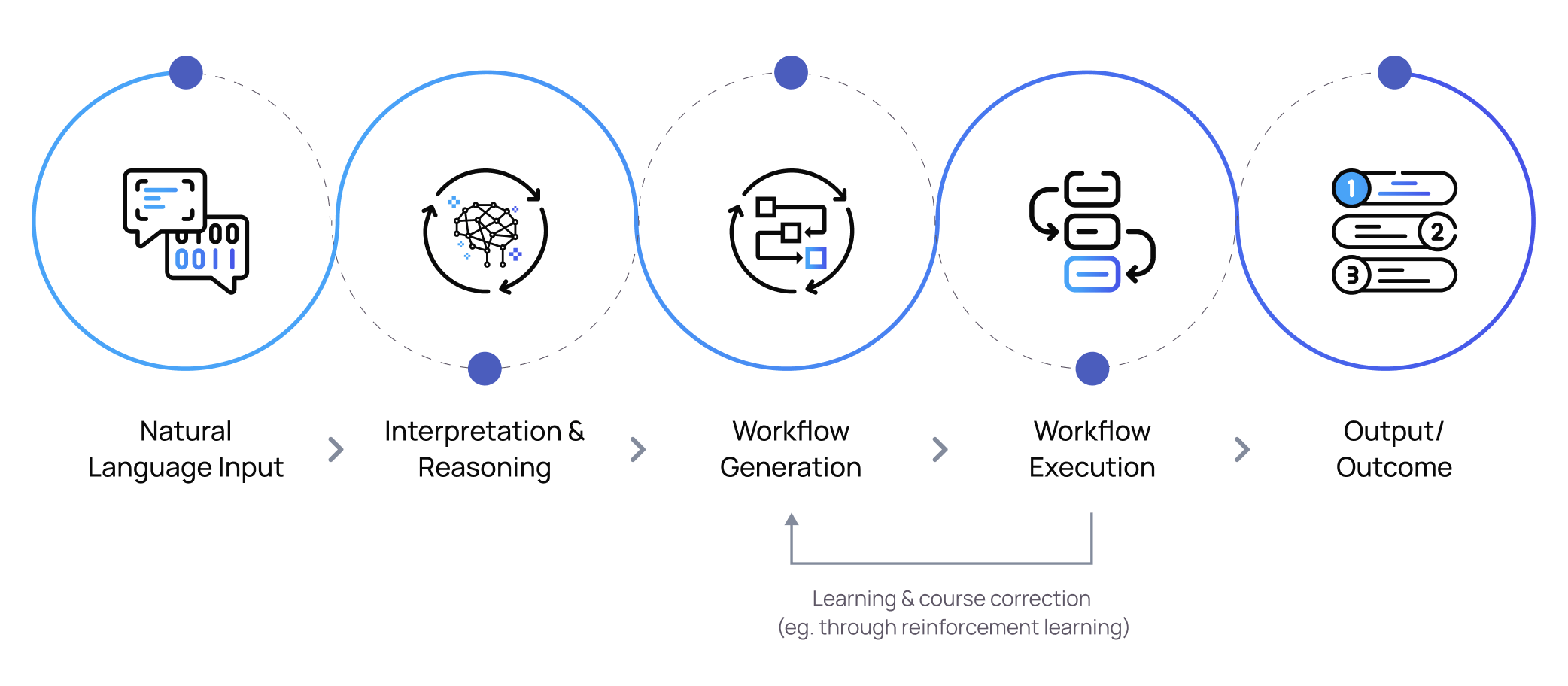
You describe a goal and the AI plans the steps, chooses the tools, executes the actions, and, in more advanced setups, monitors the outcome and adjusts if needed like:
In customer support, AI can read past tickets, draft responses, and only escalate tricky cases to human agents.
In a codebase, AI can run tests, analyze failures, suggest fixes, and open pull requests for review.
In all of these examples, AI is not completely replacing humans, but it is shifting the boundary of what one person can handle. Work that used to require three junior engineers can now realistically be supported by one engineer plus a well designed AI system.
If you know how to be that one engineer who understands and directs the AI, you ride the wave.
If you do not, you risk becoming the person whose repetitive tasks are gradually automated away.
Other 2026 AI shifts you are already feeling
AI in 2026 is not just about shiny new apps, it is about AI quietly living inside everything you already use.
There is on device AI that helps your camera understand scenes so you can point it at a Mandarin menu and actually know what to order. There is multimodal AI that can look at a screenshot to tell you what is going wrong and what to do next, with even domain specific AI that sits beside doctors to suggest treatments for instance.
In other words, whatever path you choose, AI will be right there in your workflow; the only question is whether you understand how it works or just hope the suggestions it gives you are right.
So what does this mean for you?
There will be people who decide to learn how this works, who speak the language of prompts who will make these systems. There will also be people who treat AI as a mysterious black box, press a few buttons, and hope for the best.
Only one of those groups is really in control of their future.
If you are reading this and a part of you feels, “This is a bit scary, but also incredibly interesting. I want to actually understand it”- You are at the right place!
We are launching an AI Engineering Bootcamp taught by industry mentors who are actively building and shipping real AI systems, not just talking about them. If you want to move from simply using AI tools to actually understanding and engineering them, this is built for you.
To get a clear picture of what you will learn and the future that beholds, join our Free AI Engineering Webinar and start building next-gen agents!
Ready to explore the bootcamp and see if it is for you? Join Now!
You may also like

What Is TypeSafe AI?
Discover Jev, TypeSafe AI’s System One Model for fast, type-safe, calibrated AI decisions built for software automation.

What Is Paperclip and How Does It Help You Manage AI Agent Teams?
Learn what Paperclip is, how it manages AI agent teams, controls costs, enables human approvals, and coordinates agents across different AI runtimes.

How Do You Actually Teach Engineering Judgment?
Learn how STEMLink teaches engineering judgment through a four-step approach: learn, build, test limitations, and understand why real-world systems need more.