
How to Use Claude Skills
You have been prompting. Some people taught Claude how they think. Big difference.
How to use Claude Skills
You have been prompting. Some people taught Claude how they think. Big difference.
Every time you open Claude you retype the same context, correct the same mistakes, and end up with something that is almost what you wanted. Almost. Every single time.
There is a reason for that. And there is a fix.
It Is Called a Skill
A skill is a folder with one required file inside called SKILL.md. What you put inside that file changes how Claude works permanently.
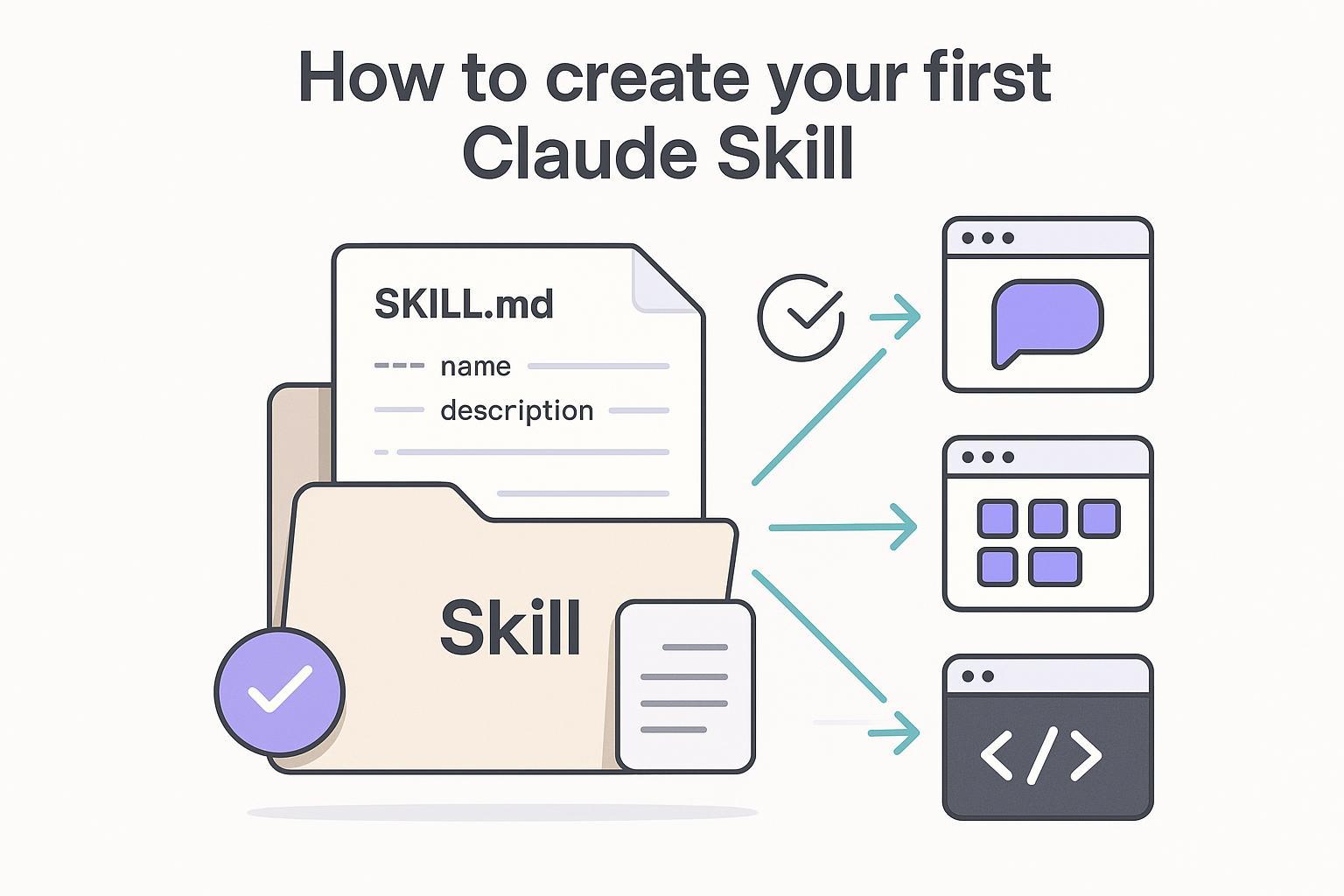
Instead of explaining your preferences and standards every single conversation, you write them once into a skill. Claude reads it and applies it every time that type of task comes up. You stop re-explaining yourself. Claude already knows.
How Claude Actually Reads It
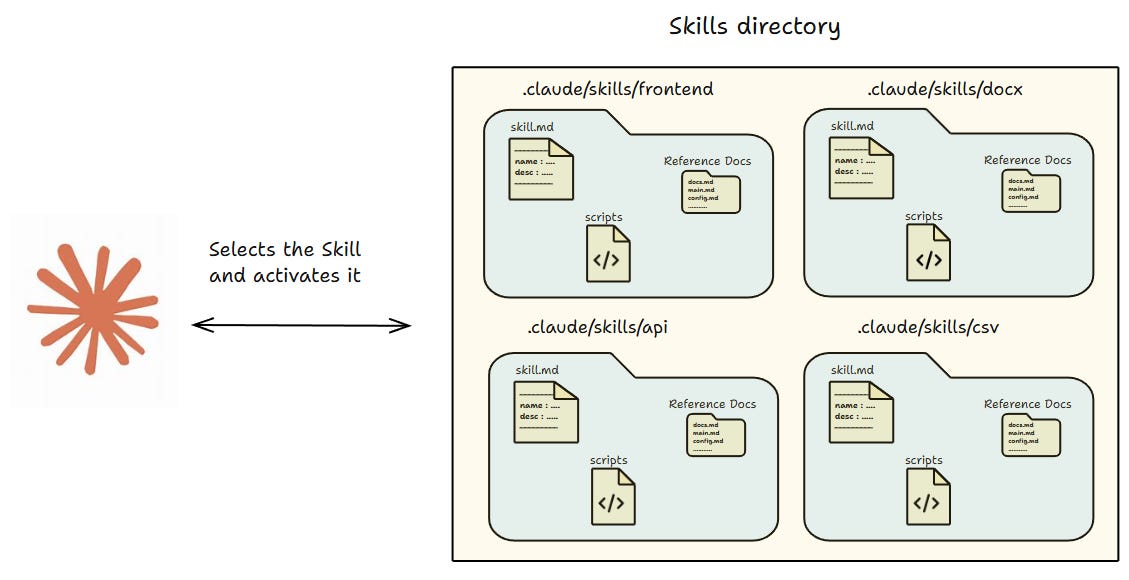
Skills use a three level system. The first level is a short description Claude uses to decide if this skill is even relevant to what you are asking. The second level is the full instructions, loaded only when the skill applies. The third level is any linked reference files Claude navigates only if it needs them.
Claude is not loading everything all the time. It reads just enough to make a smart decision and goes deeper only when the task calls for it.
The Self Routing Part
You are not limited to one skill. You can build a whole library of them. A skill for your brand voice. One for code reviews. One for client emails. One for data reports.
Claude figures out which one applies on its own. You ask it to review a pull request and it picks up the code review skill automatically. You ask it to write content and it reaches for the writing skill. You never tell it which one to use. The system organises itself.
What Goes Inside
The description is the most important thing you will write. It needs two things: what the skill does and exactly when to use it. Vague descriptions do not work. Specific ones with real trigger phrases do.
After that you write your actual instructions. Not a generic template. Your way of doing the thing. The judgment calls you make. The standards you hold. The things you always correct. That tacit knowledge that lives in your head is exactly what a skill captures.
Add hard constraints for things Claude must never do in this context. Add quality gates so Claude checks its own output before handing it to you. And add one real example of your ideal finished result. Claude pattern matches against it and suddenly everything it produces stops feeling generated and starts feeling like you made it.
What You Can Actually Build
A brand voice skill that makes every piece of content sound like it came from the same writer.
A code review skill that checks every pull request against your team's specific standards, not generic best practices. Yours.
A multi-step workflow skill that coordinates across multiple tools in sequence, fetches data from one service, creates tasks in another, posts a summary to Slack, all from one request with no manual steps in between.
A compliance skill that checks transactions, verifies rules, documents every decision, and only then calls the payment tool. Domain expertise embedded directly into the workflow.
Skills Are Infrastructure. Prompts Are Not.
A prompt disappears when the conversation ends. Every new session you start from zero.
A skill lives in a file. It is under version control. It is shareable so the expertise one person encodes benefits the whole team. Every refinement you make applies to every future output permanently.
A new hire can use your skill library from day one and get the same quality as someone who has been doing this work for three years. The expertise is in the system now, not just in someone's head.
The Shift That Matters
Most people are optimising individual conversations. Skills are about a completely different question. Not how do I get Claude to do this well right now but how do I build the thing that makes Claude do this well every time by default, without me having to be there.
That is the shift from using Claude to building with Claude. And most people are still on the first one.
You may also like

What Is TypeSafe AI?
Discover Jev, TypeSafe AI’s System One Model for fast, type-safe, calibrated AI decisions built for software automation.

What Is Paperclip and How Does It Help You Manage AI Agent Teams?
Learn what Paperclip is, how it manages AI agent teams, controls costs, enables human approvals, and coordinates agents across different AI runtimes.

How Do You Actually Teach Engineering Judgment?
Learn how STEMLink teaches engineering judgment through a four-step approach: learn, build, test limitations, and understand why real-world systems need more.