
Real World Use-Cases of Software Engineering Principles in Spotify and Netflix
Understand how Spotify's Discover Weekly uses collaborative filtering while Netflix combines multiple algorithms to create personalized experiences for hundreds of millions daily.
Real World Use-Cases of Software Engineering Principles in Spotify and Netflix
Every time you open Spotify and it somehow knows what song you want, or Netflix magically surfaces a show that fits your exact mood, you are interacting with something far more powerful than simple software.
You are interacting with algorithms, which are step by step instructions a computer follows to make decisions, and machine learning models, which are systems that learn patterns from data instead of being manually programmed for every single case.
For aspiring software engineers, this is exciting because these systems are not science fiction, they are real systems built using code, data, mathematics, and clever engineering.
Spotify Discover Weekly: How does it know your music taste better than your friends?
Ever think about how you keep hearing one great song after another, almost as if someone is quietly learning your taste and lining up your next favorite track for you. That feeling comes from how Spotify Discover Weekly is designed, not through guesswork, but through a carefully built system powered by data and machine learning.
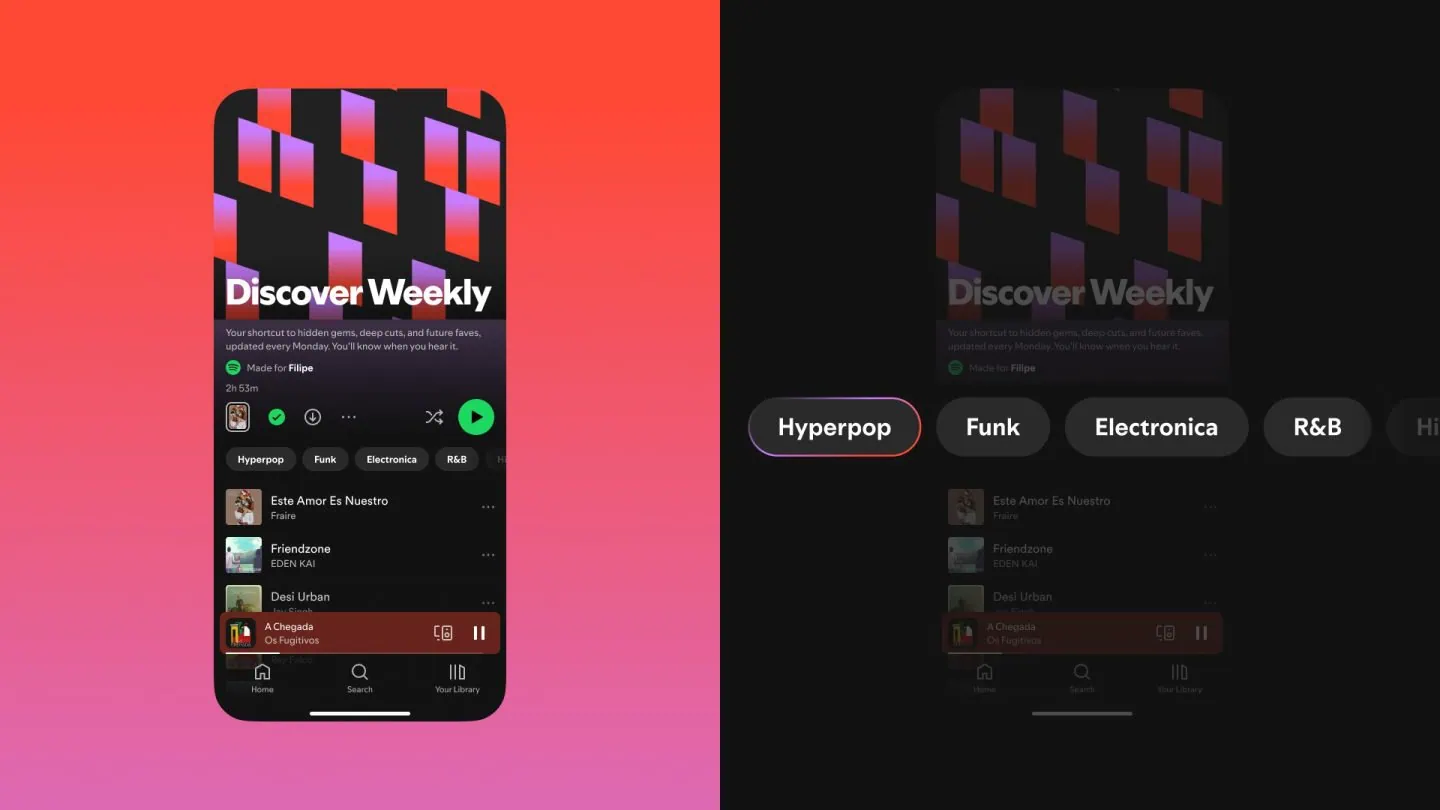
Behind the scenes, Spotify collects data, and recorded information about how you use the app such as every time you play a song, skip it, like it, save it, or replay it, that action is stored. Over time, all of this forms your user profile, being a digital picture of your music taste, showing what styles, moods, and artists you prefer.
At the same time, Spotify also studies the songs themselves such as audio features, pace, bpm, loudness, and genre. This allows Spotify to understand not just what you listen to, but what kind of music it actually is.
To make recommendations, Spotify uses a method called collaborative filtering, which means it compares your listening habits with those of millions of other users. If many people who enjoy the same songs as you also like a certain artist or track, Spotify predicts that you might enjoy it as well.
New and unfamiliar songs can still feel surprisingly right as if you've heard it before.
It reads the internet using natural language processing, understanding texts like music blogs, playlists, reviews, and online discussions to see how different artists and songs are being talked about. If a new artist is often mentioned alongside musicians you already like, that artist becomes more likely to appear in your Discover Weekly.
From a software engineering point of view, this is a large system that constantly collects data, trains models, and updates recommendations in real time. From the listener’s point of view, it simply feels like having a personal DJ who knows what understands your taste in music.
Netflix: How does it know, what do you wanna watch next?
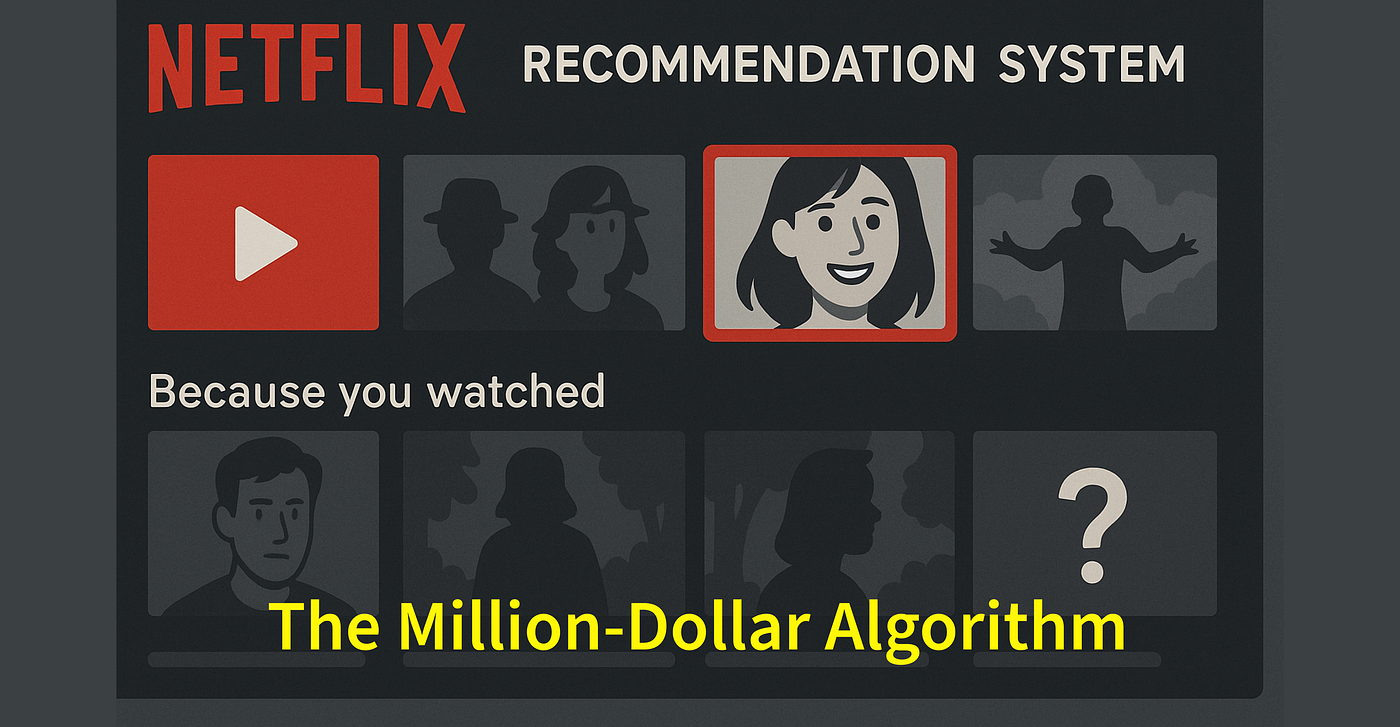
Netflix has one simple goal, keep you watching. But to do that, it needs to understand something very complex which is human taste. Every pause, rewind, fast forward, episode watched, and show abandoned halfway is turned into data that describes what kind of stories you enjoy.
Netflix is a giant experiment running all the time, constantly learning what humans want to watch next.
Netflix builds something called a recommendation engine, a system designed to suggest items based on user behavior. At the core, this is a machine learning model that learns from millions of users where for instance if you watch a lot of crime thriller series with a strong "Scare Score", and other people who watch the same types of series, Netflix will recommend it to you.
Every movie and shows are tagged with thousands of metadata labels, which are descriptive attributes like genre, pacing, emotional tone, type of ending, and even how complex the plot is. This allows the system to match shows not just by genre but by how they feel.
Two shows might both be comedies, but one might be dark and sarcastic while another is light and wholesome, and Netflix knows the difference.
When you open Netflix, the rows you see are not random. They are generated using ranking algorithms, which are formulas that decide which items should be shown first based on how likely you are to click them. Even the thumbnails you see can change, because Netflix uses A/B testing, showing different versions to different users to see which one gets more clicks, followed by implementing the highest clicked thumbnail.
Now what?
Spotify and Netflix may feel like simple apps on your phone, but under the surface they are some of the most advanced software systems ever built. They collect data, process it with algorithms, learn from it using machine learning, and then turn it into experiences that feel personal, helpful, and almost human.
A long list of applications use similar algorithms to give you what you need on an everyday basis like Uber, Google Maps, Duolingo's gamification and more!
The next time Spotify plays the perfect song, Netflix suggests a show you end up binge watching, or Google Maps saves you ten minutes on your commute, remember that behind that moment is a team of engineers who once sat exactly where you are now, curious about how things work and brave enough to try to build something better.
Ready to Start Your Transformation?
If you are aspiring to be a software engineer with knowledge and application of real world systems and get hired soon, we are bringing Software Engineer Professional Certification program to support your growth in learning to build algorithms that make things happen in real time.
Only 35 seats available for the January 2025 cohort. We maintain small cohorts to ensure every student gets personalized mentorship from our industry professionals with 100% Job Guarantee.
Application closes when we reach 35 committed students, not on a calendar date.
Apply Now - January 2025 Cohort →
Applications reviewed within 48 hours.
Qualifying applicants receive interview invitations.
If you're serious about becoming a software engineer in 8 months, this is your moment.
You may also like

What Is TypeSafe AI?
Discover Jev, TypeSafe AI’s System One Model for fast, type-safe, calibrated AI decisions built for software automation.

What Is Paperclip and How Does It Help You Manage AI Agent Teams?
Learn what Paperclip is, how it manages AI agent teams, controls costs, enables human approvals, and coordinates agents across different AI runtimes.

How Do You Actually Teach Engineering Judgment?
Learn how STEMLink teaches engineering judgment through a four-step approach: learn, build, test limitations, and understand why real-world systems need more.