
How to start test automation without experience
As software development cycles become faster, relying solely on manual testing is no longer enough to keep up with modern release demands. While manual testing remains valuable for exploratory testing and user experience validation, automation has become essential for improving efficiency, consistency, and software quality.
How to start test automation without experience
As software development cycles become faster, relying solely on manual testing is no longer enough to keep up with modern release demands. While manual testing remains valuable for exploratory testing and user experience validation, automation has become essential for improving efficiency, consistency, and software quality.

For many testers beginning their automation journey, Cypress has emerged as one of the most accessible and effective testing frameworks available today. Its user friendly approach, real time feedback, and reliable test execution make it an ideal choice for teams looking to move beyond repetitive manual testing.
Why Move to Automated Testing?
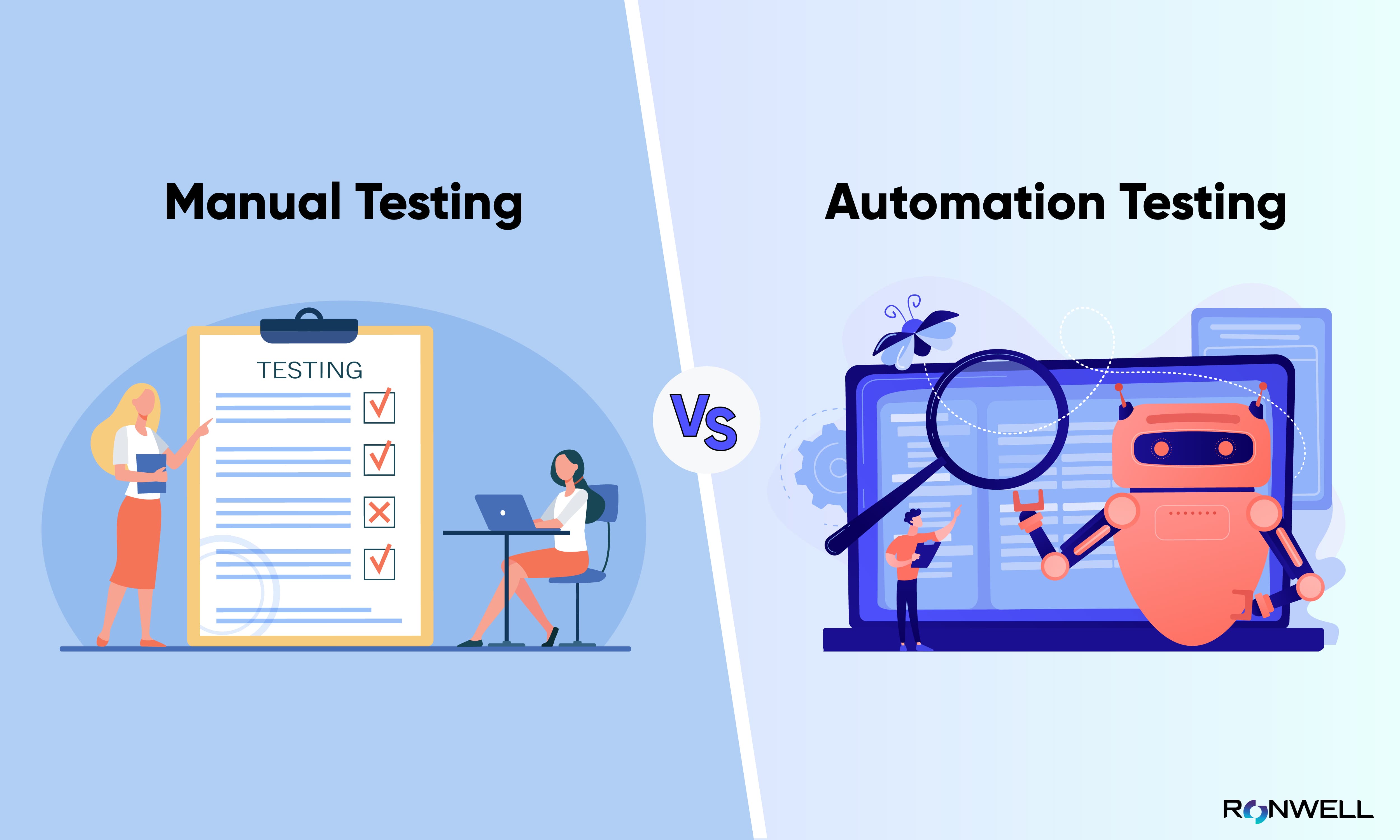
Manual testing often involves repeating the same test cases across multiple releases, which can be time consuming and prone to human error. Automated testing helps overcome these challenges by enabling teams to execute tests consistently, increase test coverage, and identify issues earlier in the development process.
By automating repetitive test scenarios, teams can spend less time on routine validation and more time focusing on quality improvements and complex testing activities.
Why Choose Cypress?

Cypress is designed specifically for modern web applications and offers a streamlined experience for both developers and testers. Its ability to provide instant feedback, detailed debugging information, and reliable test execution helps teams build confidence in their applications.
Some of the key benefits of Cypress include:
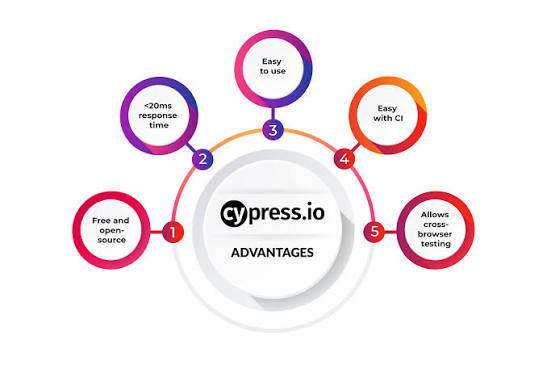
Making the Transition from Manual Testing
Moving to automation does not require replacing every manual test overnight. A successful transition starts by identifying repetitive and high value test cases that are executed frequently. Login flows, form submissions, user registrations, and critical business processes are often the best starting points.
As teams gain experience with automation, they can gradually expand their test coverage while continuing to use manual testing where human judgment and exploratory testing provide the most value.
Best Practices for Success
To get the most out of Cypress, teams should focus on building maintainable and reliable test suites. Keeping tests independent, regularly updating test cases, and organizing automated tests around real user journeys can significantly improve long term results.
Automation should be viewed as an ongoing investment rather than a one time task. As applications evolve, test suites should evolve alongside them.
Final Thoughts
The shift from manual to automated testing is a natural step for teams looking to improve software quality and accelerate delivery. Cypress provides a practical and approachable path for making that transition, helping teams reduce repetitive work, increase confidence in releases, and create more efficient testing processes.

By combining the strengths of manual testing with the power of automation, organizations can build faster, more reliable, and higher quality software experiences.
You may also like

What Is TypeSafe AI?
Discover Jev, TypeSafe AI’s System One Model for fast, type-safe, calibrated AI decisions built for software automation.

What Is Paperclip and How Does It Help You Manage AI Agent Teams?
Learn what Paperclip is, how it manages AI agent teams, controls costs, enables human approvals, and coordinates agents across different AI runtimes.

How Do You Actually Teach Engineering Judgment?
Learn how STEMLink teaches engineering judgment through a four-step approach: learn, build, test limitations, and understand why real-world systems need more.