
Tesla Trip Intelligence: Real-world problem solving case study
Explore Tesla Trip Intelligence, a real-world student engineering project that combines APIs, algorithms, data, calculations, and product thinking to build practical problem-solving skills.
Tesla Trip Intelligence: Real-world problem solving case study
Every Beginner Builds the Same Four Things
There is a point in almost every beginner programmer's journey where the projects start to look identical.
A calculator. A to-do application. A weather app. A basic system that creates, reads, updates and deletes records.
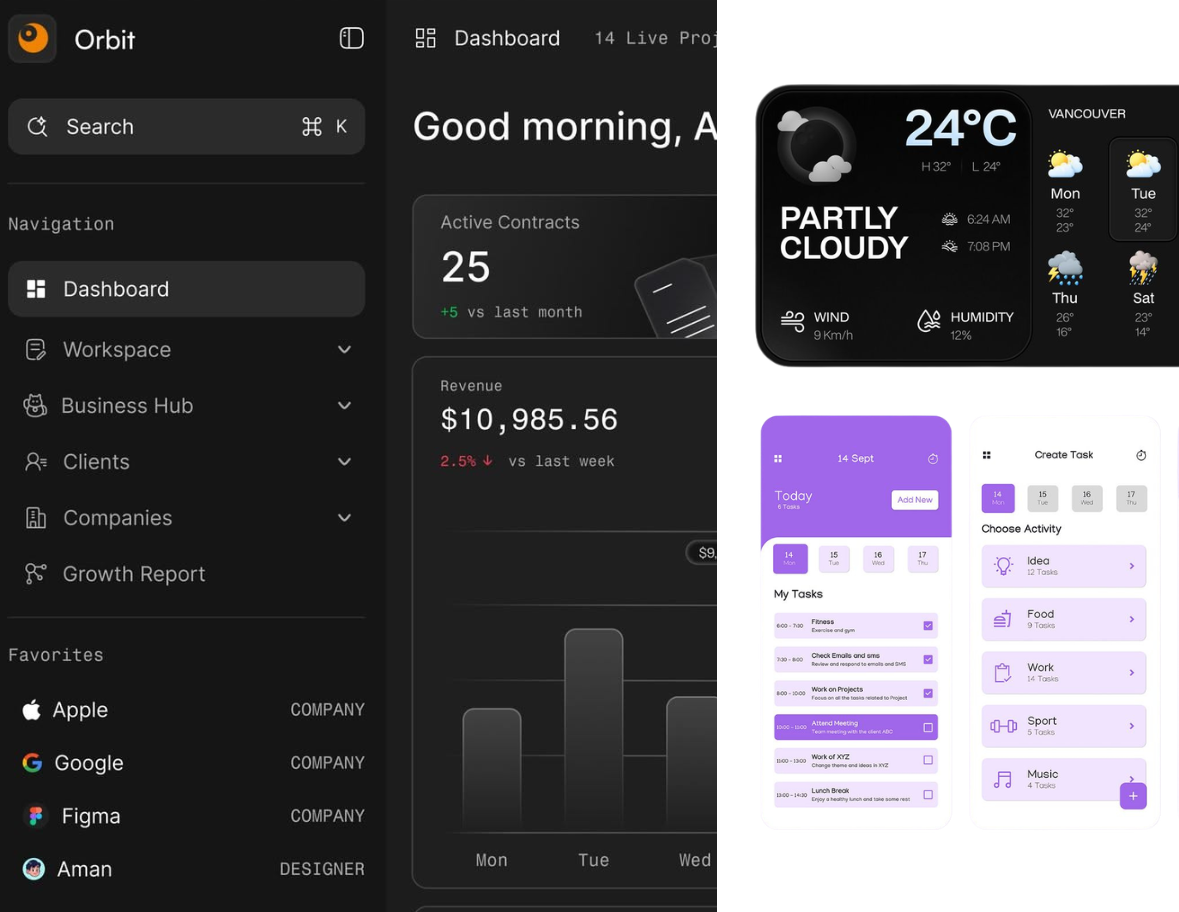
These are not worthless. Each one teaches something specific, and there is a reason they became standard. But they share a weakness that becomes limiting quickly: the solution is obvious before you begin. You are not deciding anything. You are typing out a shape you have already been shown.
At some point, engineering education has to move past exercises where the answer is visible from the start. Students need problems that make them think, because thinking is the part that transfers to real work.
Tesla Trip Intelligence is one of the projects STEM Link uses to force that shift.
What the Project Is
Students build a trip intelligence system inspired by the kind of journey planning a Tesla performs.
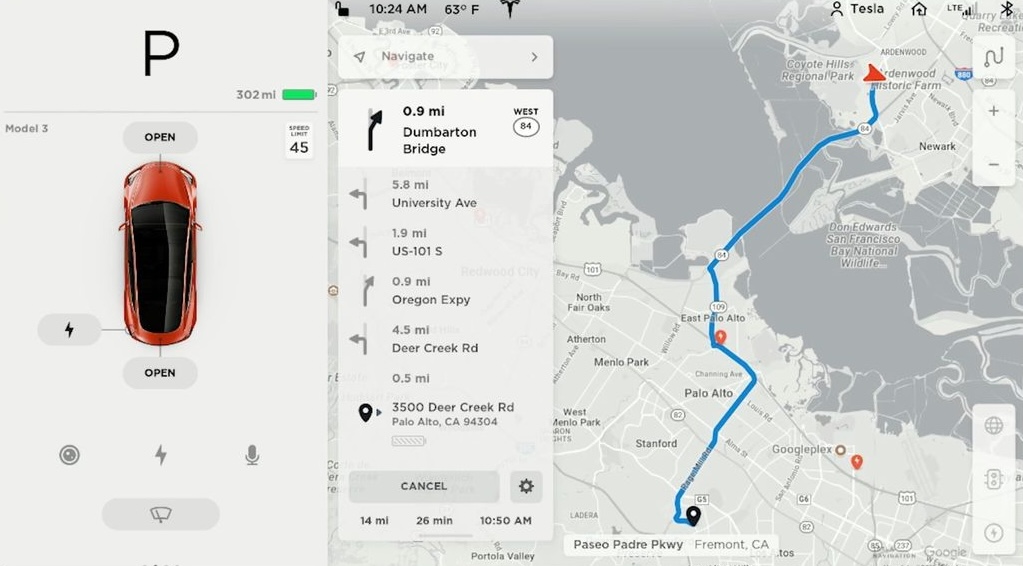
The recognisable scenario matters. Everyone understands what it means to drive somewhere and worry about whether the battery will last. Nobody has to have the problem explained. That familiarity lets students spend their effort on the engineering instead of on decoding an unfamiliar domain.
But the familiar surface hides a genuinely difficult set of problems underneath, which is exactly why it was chosen.
The Point Is Not the Interface
The most important thing to understand about this project is what it is not.
Students are not cloning Tesla's screens. Reproducing an interface is a visual exercise, and it teaches layout rather than engineering. If the assignment were to make something look like a Tesla dashboard, it would be another tutorial project with better styling.
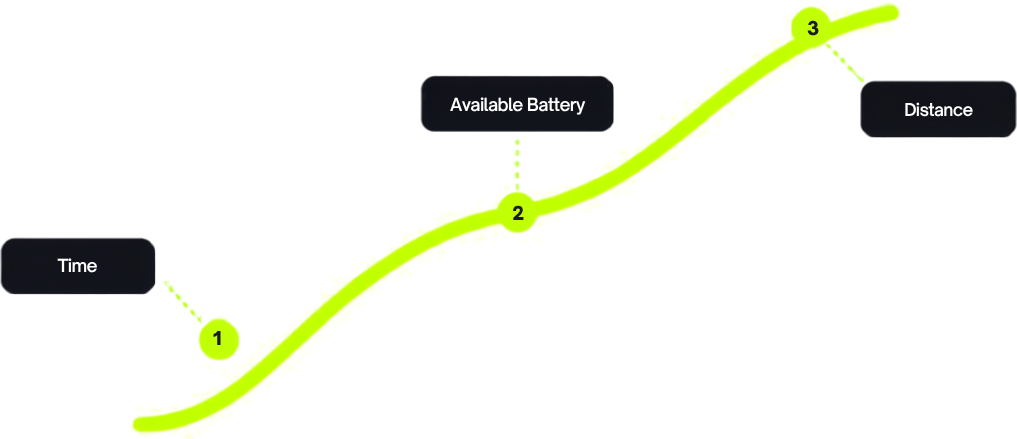
Instead, students have to reason about the journey itself. Distance. Time. Available battery. How energy actually behaves over a route. The statistics you derive from all of that. The algorithms that produce them. External data and APIs feeding the calculations. How the results should be presented. And how those calculations then drive the behaviour of the product around them.
The interface is the last question, not the first one. What has to be worked out first is what the numbers mean.
Where the Difficulty Actually Lives
Journey calculations look simple until you attempt them.
Distance seems straightforward until you realise a straight line between two points is not a route, and a route is not a constant. Time seems straightforward until you consider that the same distance takes different amounts of time under different conditions. Energy is where it gets genuinely interesting, because battery consumption is not simply distance multiplied by a fixed rate. It varies with how the vehicle is driven, with terrain, with speed, with load.
So the student is immediately confronting the questions real engineers confront.
What am I actually modelling, and how accurate does it need to be? A rough estimate is easy. A useful estimate is not. Deciding which one the product needs is a judgement call, not a coding task.
Where does the data come from, and can I trust it? Real APIs return real responses, which means missing fields, unexpected formats, rate limits, and occasional failures. Code that assumes the data will always arrive correctly will break, and discovering that is part of the lesson.
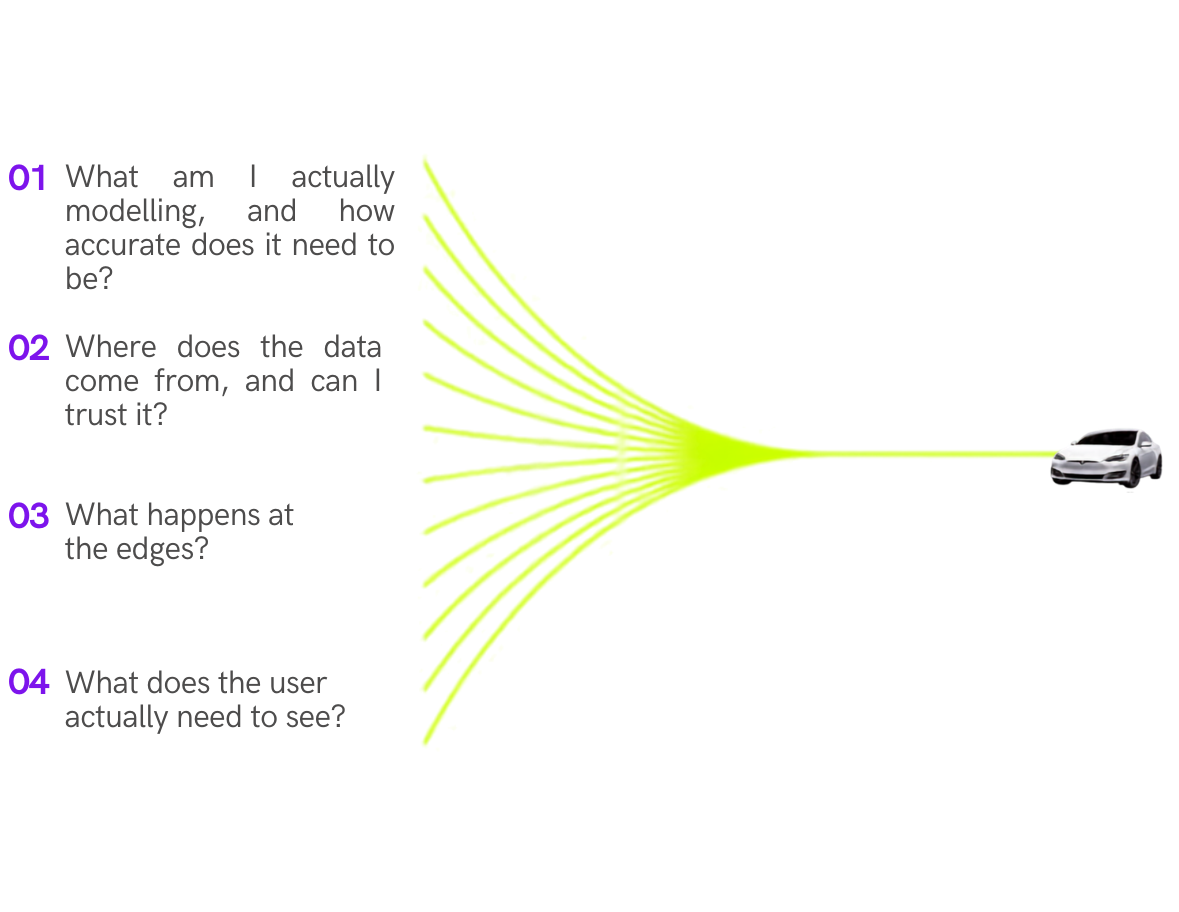
What happens at the edges? A journey longer than the available range. A route with no data. A calculation that produces a nonsensical result. Handling these is not decoration on top of the feature. It is the feature.
What does the user actually need to see? A page of raw numbers is not intelligence. Turning calculation into something a person can act on is a product decision the student has to make.
None of these have a single correct answer waiting at the end. That is the point.
What Makes It Different From a Tutorial
The distinguishing features are all about reality rather than simulation.
Real libraries, so students learn to read documentation written for practitioners rather than for learners.
Real APIs, so they experience integration against systems they do not control and cannot change.
Real data, with all the inconsistency that implies.
Real calculations, where a wrong formula produces a wrong answer rather than a red error message.
Real constraints, which force choices.
Real decisions, which have to be justified afterwards.
The description STEM Link uses for it is a gym for engineering muscles, and the analogy holds. A gym is not where you use your strength for anything. It is where you build it under controlled conditions so that it exists when you need it somewhere else.
Where It Sits in the Learning Path
Tesla Trip Intelligence arrives as students move into product engineering, and it follows an earlier project with a different purpose.
During the Python phase, students work through a Microsoft Contoso-inspired internal document security scenario, which introduces programming alongside cryptography concepts in a practical setting rather than teaching syntax in isolation. That project carries its own deliberate lesson: it is a learning exercise rather than a production grade security system, and recognising that limitation is itself an engineering principle worth learning early.
Tesla Trip Intelligence picks up from there and raises the difficulty on a different axis. Where the Contoso project introduced concepts through a scenario, this one demands that students combine software engineering, computational thinking, and product thinking at the same time on a single problem.
After it, the projects continue widening. Frontends start talking to backends. Backends talk to databases. Data has to be modelled properly. Systems need testing, security consideration, deployment, and pipelines that move software reliably. Eventually the individual lessons have to work together as one system, which is where engineering starts becoming real.
What It Actually Trains
The useful question about any student project is not whether it looks good on a profile. It is what capability building it developed.
Measured that way, this one covers a lot of ground.
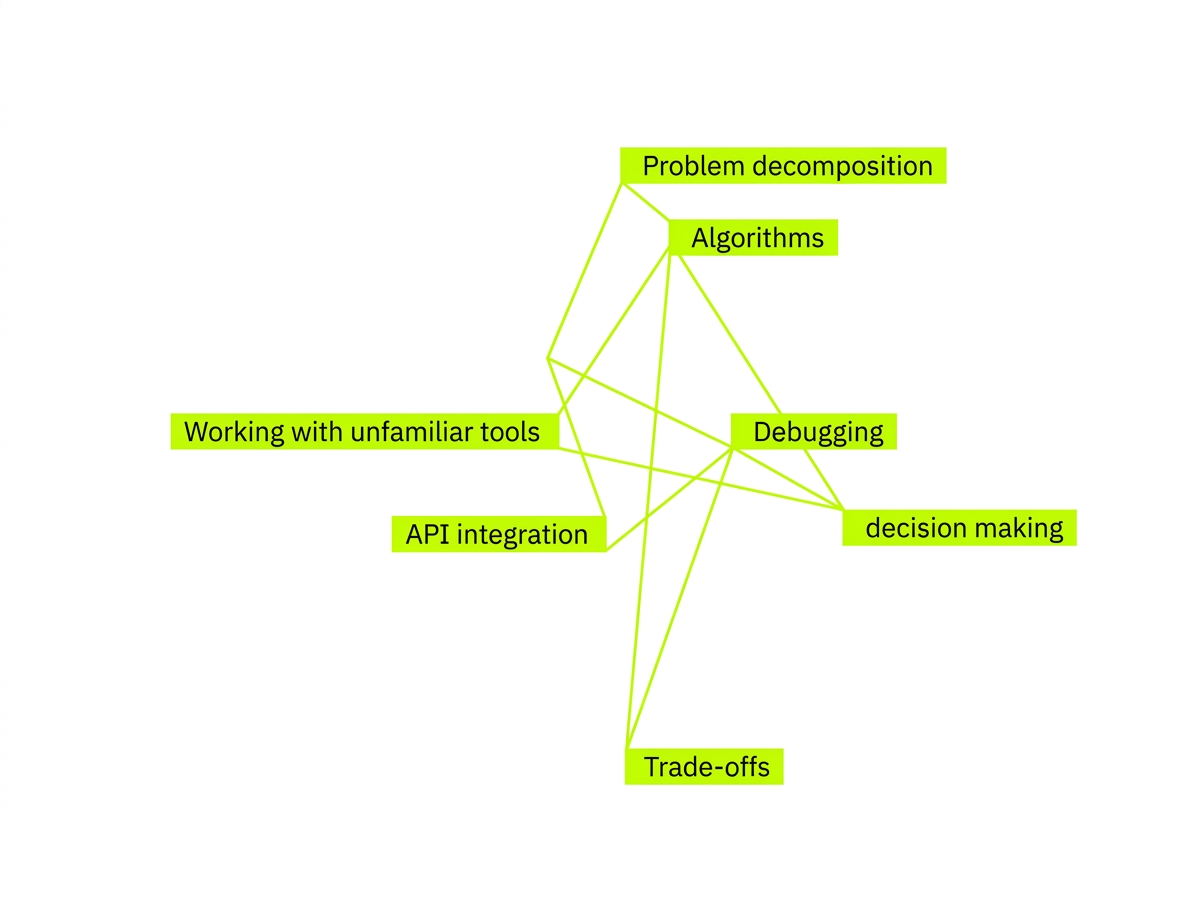
Problem decomposition, because a trip calculation cannot be written in one piece. Algorithms, because the derived statistics have to be computed rather than looked up. Working with unfamiliar tools, because real libraries do not come with a tutorial written for your exact case. API integration, with all the failure handling that requires. Debugging, because a calculation that is subtly wrong does not announce itself. Trade-offs, between accuracy and complexity, between what is possible and what is worth building. And decision making, because at every stage there is more than one defensible option and the student has to choose one and be able to say why.
That last one is the whole exercise, really. A tutorial project has no decisions in it. This one is mostly decisions.
Why This Approach Matters
The reason for building projects this way comes down to what survives afterwards.
A student who has completed a series of tutorials has a collection of isolated technical facts. A student who has repeatedly applied knowledge to problems that resisted them has capability, and capability is the thing that remains once the tutorial is closed.
The pattern STEM Link is aiming for is straightforward enough to state. Learn something. Use it. Break something. Debug it. Improve it. Connect it to something else. Then explain why you built it that way.
Tesla Trip Intelligence exists to run a student through that entire loop on a problem where none of the steps can be skipped. It is recognisable enough that nobody needs the scenario explained, and hard enough that nobody can complete it by pattern matching against something they have already seen.
That combination is difficult to design deliberately, and it is what separates a project that trains an engineer from a project that decorates a portfolio.
You may also like

What Is TypeSafe AI?
Discover Jev, TypeSafe AI’s System One Model for fast, type-safe, calibrated AI decisions built for software automation.

What Is Paperclip and How Does It Help You Manage AI Agent Teams?
Learn what Paperclip is, how it manages AI agent teams, controls costs, enables human approvals, and coordinates agents across different AI runtimes.

How Do You Actually Teach Engineering Judgment?
Learn how STEMLink teaches engineering judgment through a four-step approach: learn, build, test limitations, and understand why real-world systems need more.