
Qwen3.8-Max
Alibaba's Qwen3.8-Max is here. Explore its MoE architecture, coding abilities, multimodal intelligence, and how it compares with ChatGPT and Claude.
Qwen3.8-Max
Artificial intelligence is evolving faster than ever, and the competition is no longer limited to Silicon Valley. Chinese tech giant Alibaba has officially introduced Qwen3.8-Max, its most advanced AI model yet, claiming performance that rivals industry leaders like OpenAI's GPT models and Anthropic's Claude. The announcement has sparked discussions across the AI community, with developers, businesses, and researchers eager to see whether this new model can truly reshape the global AI landscape. Recent reports indicate that Qwen3.8-Max is a 2.4-trillion-parameter mixture-of-experts model with multimodal capabilities and an open-weight release strategy aimed at developers worldwide.
What Is Qwen3.8-Max?
Qwen3.8-Max is Alibaba's latest flagship large language model (LLM). Designed to understand and generate text, analyze images, process videos, and assist with coding, it represents a major leap in China's AI ambitions. Unlike traditional AI models that activate every parameter for every request, Qwen3.8-Max uses a Mixture of Experts (MoE) architecture, activating only the parts of the model needed for each task. This approach improves efficiency while reducing computational costs.
Alibaba has also emphasized that the model is intended for real-world applications, including software development, enterprise automation, research, and intelligent AI agents.
Why Everyone Is Talking About Qwen3.8-Max
The launch of Qwen3.8-Max comes at a time when the AI race has become more competitive than ever. OpenAI, Anthropic, Google, Meta, and several Chinese companies are all pushing the limits of what AI can achieve.
What makes Qwen3.8-Max stand out is Alibaba's decision to continue supporting open-weight AI models. Unlike fully closed proprietary systems, open-weight models give developers greater flexibility to customize and deploy AI for their own applications. This strategy has become increasingly popular among Chinese AI companies and is helping accelerate innovation across the developer community.
Qwen3.8-Max vs OpenAI and Anthropic
One of the biggest questions surrounding the release is whether Qwen3.8-Max can truly compete with OpenAI and Anthropic.
Alibaba claims that the model performs close to the world's leading frontier AI systems across reasoning, coding, multimodal understanding, and complex problem-solving. Early benchmark rankings also place it among the strongest publicly available AI models, although independent evaluations are still ongoing.
Rather than focusing solely on benchmark scores, many AI experts believe the real test will be how well the model performs in everyday tasks such as:
Software development
AI coding assistants
Research and analysis
Business automation
Content creation
Enterprise AI workflows
These practical use cases will ultimately determine whether Qwen3.8-Max becomes a serious alternative to ChatGPT and Claude.
Key Features of Qwen3.8-Max
Advanced Coding Capabilities
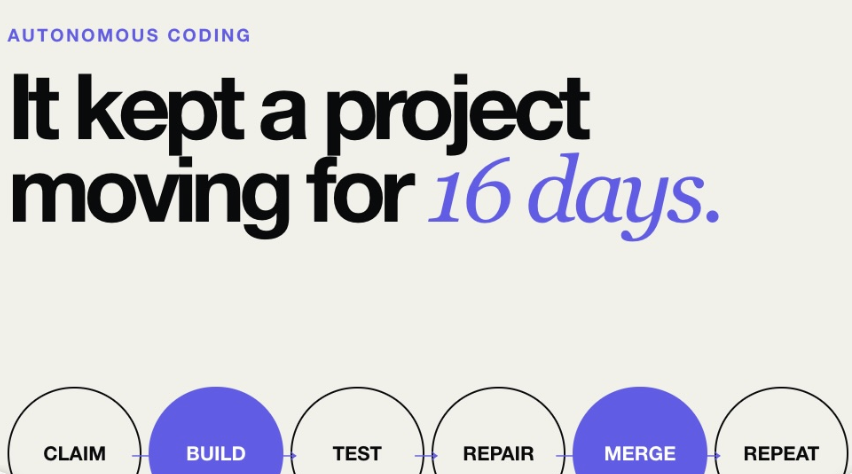
Programming remains one of the most competitive areas in AI. Qwen3.8-Max has been optimized to help developers write, debug, and explain code across multiple programming languages, making it useful for both experienced engineers and beginners.
Multimodal Intelligence
Modern AI is no longer limited to text. Qwen3.8-Max can process images, documents, and video alongside written prompts, allowing businesses to build richer AI-powered applications.
Long Context Window
The model supports very large context sizes, enabling it to analyze lengthy documents, technical reports, legal contracts, and research papers without losing context during conversations.
Open-Weight Availability
Perhaps its biggest advantage is Alibaba's commitment to making the model's weights available. This allows organizations and developers to customize, fine-tune, and deploy the model in private environments where data privacy is critical.
Why This Matters for Developers
Developers today have more AI choices than ever before. Instead of relying on a single provider, teams can now compare multiple frontier models based on performance, pricing, customization, and deployment flexibility.
Qwen3.8-Max adds another serious option to that growing ecosystem.
For startups, this could mean lower infrastructure costs.
For enterprises, it offers more control over sensitive business data.
For researchers, it provides another high-performance model for experimentation.
Competition between AI companies ultimately benefits users by encouraging faster innovation, lower costs, and better overall performance.
Challenges Ahead
Although Alibaba's announcement has generated significant excitement, there are still important questions that remain unanswered.
Performance benchmarks released by AI companies are often based on carefully selected evaluation datasets. Real-world testing by independent developers will provide a much clearer picture of how Qwen3.8-Max performs across different industries and workloads. Some analysts have also cautioned against judging AI models solely by parameter count, noting that architecture, training quality, and inference efficiency are often more important than size alone.
Another challenge will be global adoption. OpenAI and Anthropic already have strong ecosystems, developer communities, and enterprise partnerships. Qwen3.8-Max will need to prove not only that it performs well but also that it offers a compelling developer experience.
The Bigger Picture
Qwen3.8-Max is more than just another AI release it represents China's growing influence in the global AI industry.
Over the past two years, Chinese AI companies have rapidly narrowed the gap with leading Western labs by producing increasingly capable, affordable, and open-weight models. This competition is driving innovation at an unprecedented pace and giving developers more freedom to choose the tools that best fit their needs.
For businesses, this means access to more advanced AI solutions. For developers, it means greater flexibility. And for users, it promises faster improvements in the AI tools they rely on every day.
Final Thoughts
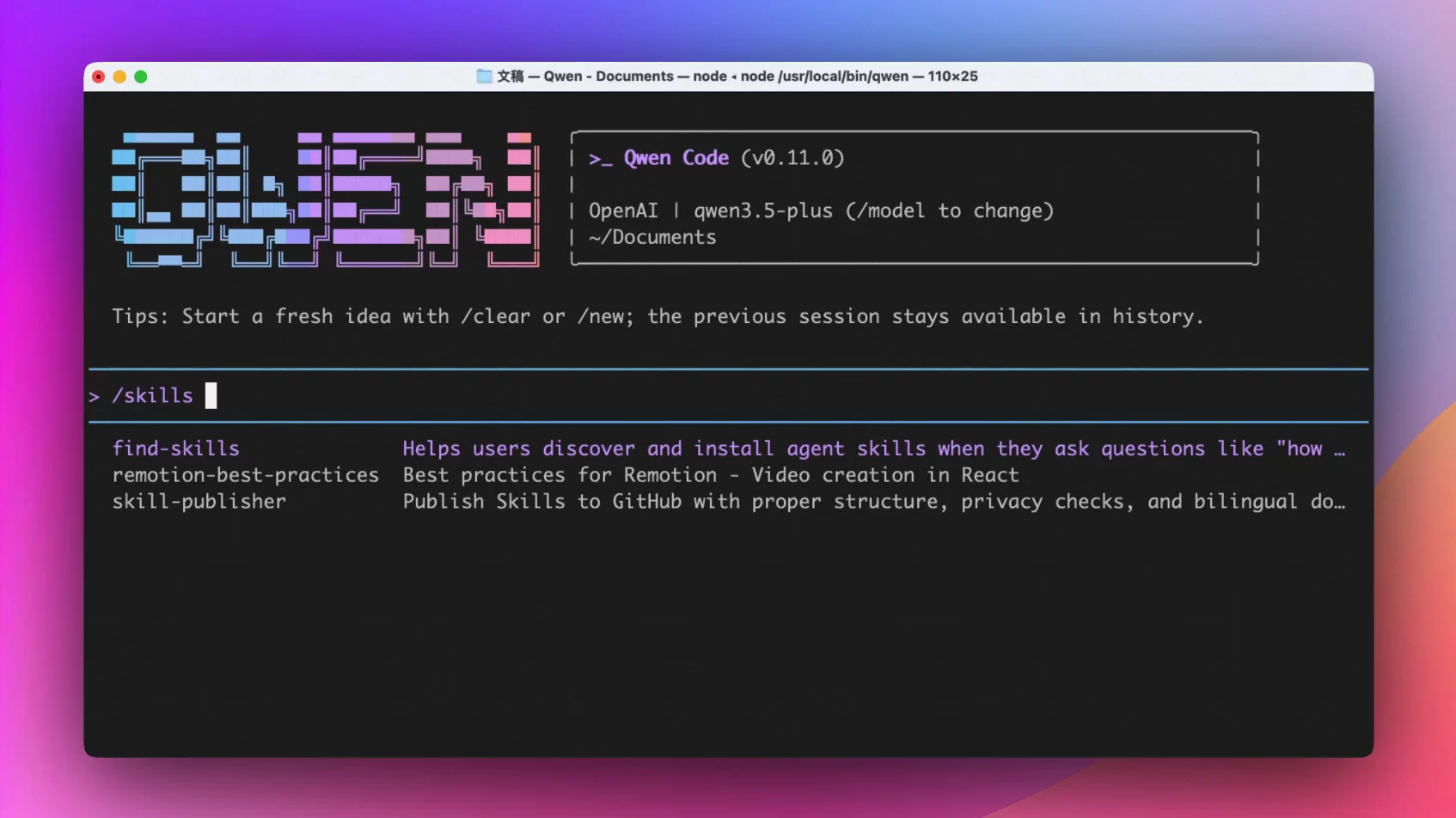
Qwen3.8-Max has quickly become one of the most talked-about AI models of the year. Its combination of advanced reasoning, multimodal capabilities, efficient Mixture of Experts architecture, and open-weight approach positions it as a serious competitor to OpenAI and Anthropic.
While independent testing will ultimately determine whether it lives up to Alibaba's ambitious claims, one thing is already clear: the global AI race is becoming more competitive, and that competition is accelerating innovation for everyone.
Whether you're a developer, business owner, researcher, or AI enthusiast, Qwen3.8-Max is definitely a model worth watching as the next generation of artificial intelligence continues to unfold.
You may also like

What Is TypeSafe AI?
Discover Jev, TypeSafe AI’s System One Model for fast, type-safe, calibrated AI decisions built for software automation.

What Is Paperclip and How Does It Help You Manage AI Agent Teams?
Learn what Paperclip is, how it manages AI agent teams, controls costs, enables human approvals, and coordinates agents across different AI runtimes.

How Do You Actually Teach Engineering Judgment?
Learn how STEMLink teaches engineering judgment through a four-step approach: learn, build, test limitations, and understand why real-world systems need more.