
NVIDIA Clara Parabricks
Explore how NVIDIA Clara Parabricks revolutionizes genomic analysis by harnessing GPU technology for rapid and accurate processing. Discover its key features and benefits that promise to accelerate research in bioinformatics and enhance clinical diagnostics.
NVIDIA Clara Parabricks
In the modern era of bioinformatics, the need for rapid and accurate genomic analysis is more pressing than ever. With advances in next-generation sequencing technologies, researchers can sequence entire genomes at lightning speeds. However, efficiently processing this vast amount of data remains a challenge. NVIDIA Clara Parabricks offers a solution with its GPU-accelerated genomic analysis tools, enabling researchers to perform fast whole genome sequencing while maintaining high accuracy.
What is NVIDIA Clara Parabricks?
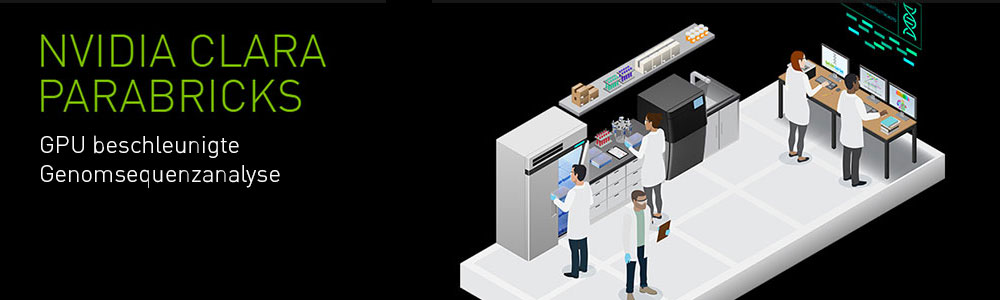
NVIDIA Clara Parabricks is a suite of GPU-optimized genomics software designed for high-speed genomic data processing. Originally developed by Parabricks, a company specializing in bioinformatics software, this platform leverages the power of NVIDIA GPUs to perform secondary analyses on DNA sequencing data at unprecedented speeds. The integration of GPU technology significantly accelerates the entire pipeline, from alignment to variant calling, making it one of the fastest solutions available today.
The Science Behind GPU-Accelerated Genomic Analysis
At the heart of NVIDIA Clara Parabricks genomic analysis is the use of graphical processing units (GPUs). These specialized processors excel at handling parallel operations, making them perfect for managing the large-scale operations typically involved in genomic sequencing. By offloading compute-intensive tasks to GPUs, the software dramatically reduces the time required for processing genomic data compared to traditional CPU-based software.
Key Features of NVIDIA Clara Parabricks for Fast Genome Sequencing
NVIDIA Clara Parabricks offers several features that make it an indispensable tool for genomic researchers. Below are some of the key functionalities that highlight its capabilities:
Accelerated DNA Sequencing Pipelines: Provides end-to-end acceleration from data preprocessing to variant calling, minimizing lag and improving throughput.
NVIDIA Parabricks Secondary Analysis: Offers a comprehensive suite for secondary analysis using GPU-accelerated pipelines.
Rapid Somatic Variant Detection: Enhances the speed of detecting somatic variants, which are critical for cancer research.
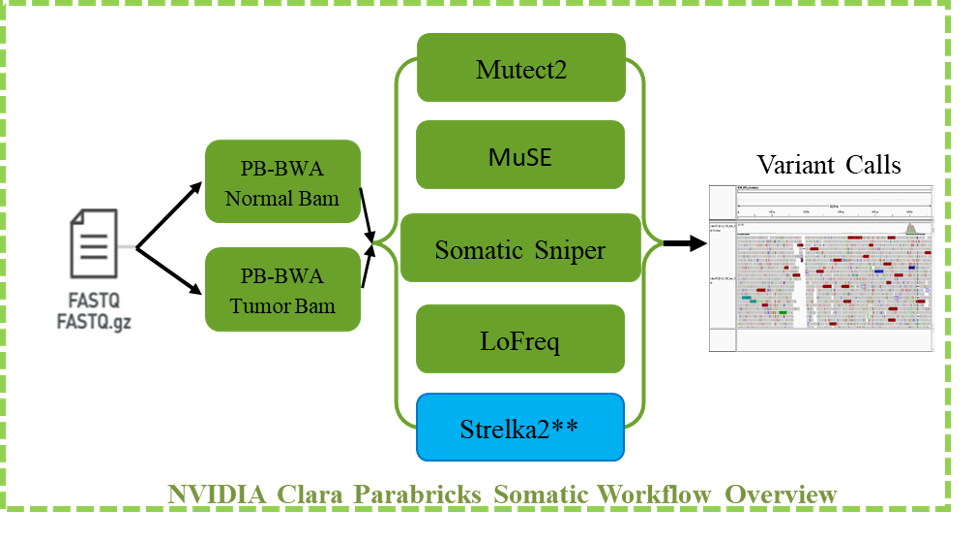
NVIDIA Parabricks Variant Calling: Rapidly identifies genetic variants, delivering quick results essential for clinical diagnostics.
Benefits of High-Speed Genomic Data Processing
The primary benefits of using NVIDIA Clara Parabricks for genomic analysis stem from its ability to process data at exceptional speeds. This not only accelerates research but also reduces the time to obtain actionable insights, which can be crucial in a clinical setting where time is of the essence:
Increased Efficiency: GPU-powered bioinformatics workflows significantly reduce the time required for data processing, allowing researchers to handle larger datasets effectively.

Cost-Effectiveness: By speeding up processing times, laboratories can lower their computational costs and resource requirements.
Scalability: As the demand for genomic sequencing increases, using GPU-accelerated next-generation sequencing analysis can help scale operations without compromising performance or accuracy.

Implementing NVIDIA Clara Parabricks in Research Pipelines
For those looking to implement NVIDIA Clara Parabricks in their research workflows, understanding the practical application of these tools is crucial. Here’s a step-by-step guide for integrating this powerful technology:
Evaluate Your Computational Needs: Determine the scale of datasets and the type of analysis required. Recognize that GPU-accelerated tools are ideal for large datasets requiring quick turnaround times.
Set Up Your GPU Environment: Ensure that your computational infrastructure is equipped with compatible NVIDIA GPUs. Proper setup is essential for optimizing performance.
Install NVIDIA Clara Parabricks: Download and install the necessary software from NVIDIA's platform. Ensure that updates and patches are applied regularly.
Run Initial Tests: Conduct test runs to evaluate performance improvements and familiarize yourself with the tools' functionality.
Case Study: Accelerated Analysis in Clinical Genomics
An example of NVIDIA Clara Parabricks in action is its application in clinical genomics laboratories. Traditional variant calling and germline analysis with large datasets could take days. With NVIDIA Parabricks germline analysis tools, this process is expedited to mere hours, enabling quicker diagnostics and treatment planning.
Imagine a scenario where a patient's genomic data can be processed overnight instead of over several days. This not only expedites critical medical decisions but also enhances the patient care experience by reducing anxiety and waiting times.
Future of Genomics with NVIDIA Clara Parabricks
The future of genomic analysis is bright with tools like NVIDIA Clara Parabricks leading the way. As sequencing technologies continue to advance, the demand for highly efficient processing solutions will only grow. With its focus on utilizing GPU-accelerated genomic analysis, NVIDIA is poised to redefine the limits of speed and accuracy in bioinformatics.
You may also like

What Is TypeSafe AI?
Discover Jev, TypeSafe AI’s System One Model for fast, type-safe, calibrated AI decisions built for software automation.

What Is Paperclip and How Does It Help You Manage AI Agent Teams?
Learn what Paperclip is, how it manages AI agent teams, controls costs, enables human approvals, and coordinates agents across different AI runtimes.

How Do You Actually Teach Engineering Judgment?
Learn how STEMLink teaches engineering judgment through a four-step approach: learn, build, test limitations, and understand why real-world systems need more.