
GPT-4o features and capabilities
GPT-4o enables developers to build efficient AI workflows through structured prompting, tool calling, and scalable integrations. By combining routing, caching, and deterministic logic outside the model, teams reduce cost and improve reliability. Proper integration focuses on workflow design rather than raw model usage, unlocking production-ready AI systems for 2026.
GPT-4o features and capabilities
Welcome to the future of AI, where the GPT-4o is revolutionizing the way developers and businesses approach AI workflows. In this guide, we'll explore how to effectively integrate the GPT-4o into your systems, enhancing the efficiency of AI workflows in 2026. This cutting-edge technology offers a variety of features designed to streamline operations and deliver powerful AI-driven insights, making it an essential tool for any forward-thinking tech professional.
Understanding GPT-4o : Features and Performance
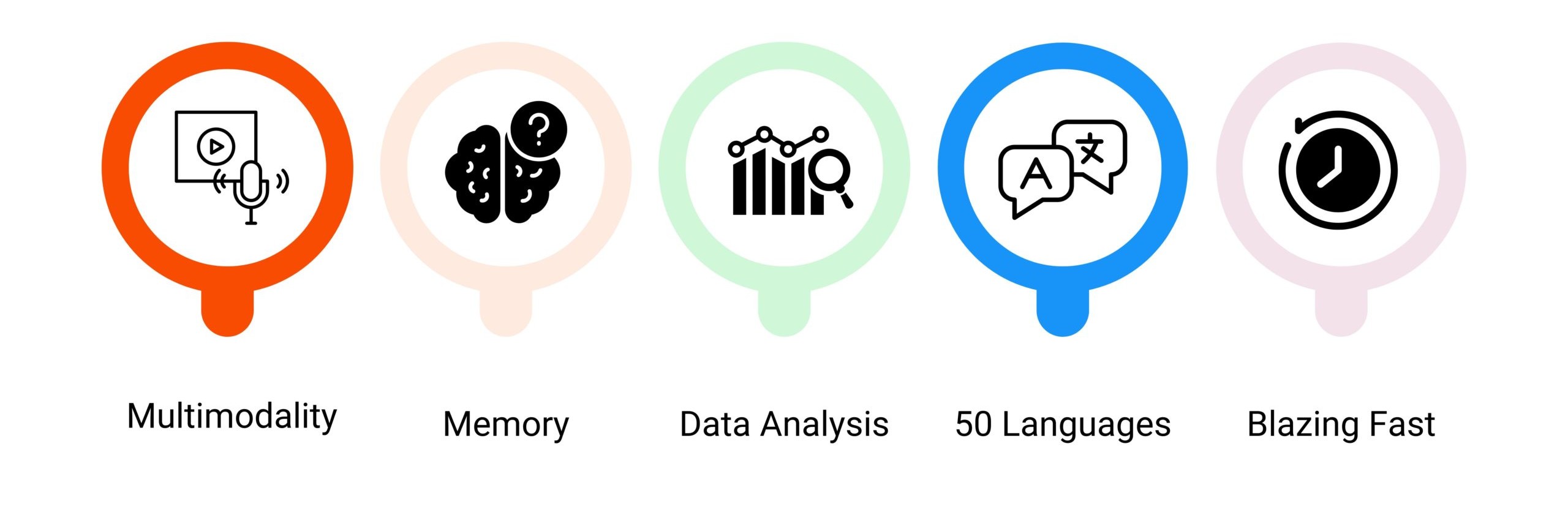
The GPT-4o is OpenAI's latest offering, built to empower developers with unparalleled AI capabilities. This API offers significant improvements in understanding and generating human-like text, making it indispensable for complex data analysis, chatbots, and content creation.
Features of the GPT-4o include:
Advanced Natural Language Processing (NLP): Enhanced understanding of context and nuances in text.
Customizable Models: Tailor models to suit specific business needs and applications.
High Scalability: Seamlessly supports operations ranging from small startups to large enterprises.
The robust performance of the GPT-4o ensures rapid response times and accurate outputs, which are crucial for real-time applications.
Efficient AI Workflows 2025: Integration and Use Cases
Integrating the GPT-4o can dramatically improve efficient AI workflows in 2025. By harnessing its capabilities, businesses can streamline various processes. Here’s a quick GPT-4o tutorial on integration:
Understand API Documentation: Begin by reviewing the GPT-4o documentation to get a comprehensive understanding of available endpoints and usage guidelines.
Authentication and Setup: Use API keys to authenticate and connect your applications to the GPT-4o API securely.
Data Preparation: Clean and format your input data to match the model’s input requirements.
Model Training: Customize the API’s models to optimize performance for your specific domain.
GPT-4o API Use Cases
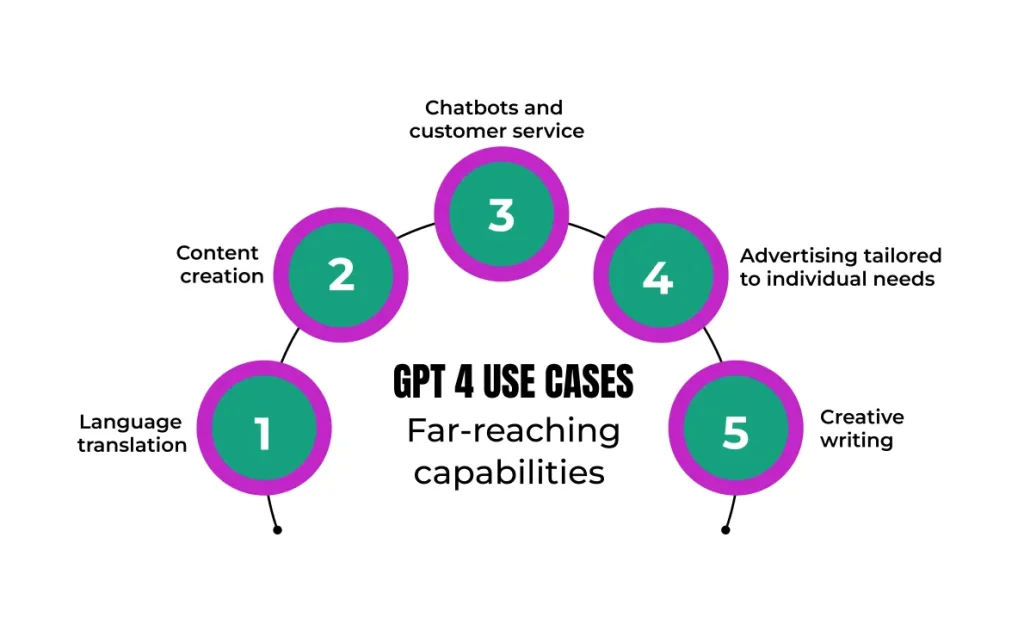
Customer Support Automation: Build intelligent chatbots that understand and resolve customer queries effectively.
Content Generation: Automatically generate high-quality articles, reports, and social media posts.
Sentiment Analysis: Analyze consumer feedback and social media sentiment to inform strategic decisions.
For those interested in building applications with this API, consider the Fullstack Engineering in MERN bootcamp at STEM Link, which provides hands-on experience in API integration.
Best Practices for GPT-4o Integration
Ensuring a smooth integration when using the GPT-4o involves several best practices:
Regular Updates: Keep your implementation up to date with the latest API updates and features.
Scalability Considerations: Plan for scalability in your infrastructure to handle increased workloads.
Data Privacy: Implement robust data protection measures to comply with privacy laws and ensure user data safety.
These pointers can facilitate a more efficient, secure, and productive use of the API in your day-to-day operations.
Exploring GPT-4o's Limitations
While powerful, the GPT-4o API has certain limitations. It may face challenges with domain-specific knowledge or extremely nuanced languages. Evaluating these limitations is important for optimizing implementation strategies.
Limitations
Contextual Understanding: Although advanced, the API may still misinterpret ambiguous requests.
Language Nuances: Some complex grammatical structures or idiomatic expressions might confuse the model.
Pricing Considerations for GPT-4o
The pricing model for the GPT-4o is structured to accommodate varying usage scales. Here are some factors to consider:
Volume-Based Pricing: Charges are based on API call volumes, making it flexible for different scales of use.
Tiered Options: Various tiers offer different features and limits, allowing businesses to choose based on their budget and requirements.
Testing and Evaluation: Start with a free or trial tier to evaluate API support for your particular applications before scaling up.
Ultimately, the strategic integration of the GPT-4o API into your AI workflows will require careful planning and execution but can yield substantial benefits in operational efficiency and enhanced AI-driven analytics.
Conclusion: Preparing for AI Workflows in 2026
As we move toward efficient AI workflows in 2026, leveraging the GPT-4o will be a pivotal step for professionals aiming to advance in the tech landscape. Whether you're enhancing an existing system or developing new applications, understanding the ins and outs of this API will be your gateway to success.
If you're looking to upskill in AI technologies and gain hands-on experience, consider enrolling in STEM Link's AI Engineering bootcamp. It offers in-depth training and real-world project experience, ensuring you have the practical skills needed for today's competitive job market.
You may also like

What Is TypeSafe AI?
Discover Jev, TypeSafe AI’s System One Model for fast, type-safe, calibrated AI decisions built for software automation.

What Is Paperclip and How Does It Help You Manage AI Agent Teams?
Learn what Paperclip is, how it manages AI agent teams, controls costs, enables human approvals, and coordinates agents across different AI runtimes.

How Do You Actually Teach Engineering Judgment?
Learn how STEMLink teaches engineering judgment through a four-step approach: learn, build, test limitations, and understand why real-world systems need more.