
How To Review AI generated Code
Learn how to review AI generated code effectively without slowing down development. Discover AI code review best practices, smarter verification techniques, and why great engineers generate more testing and debugging code instead of reviewing every line.
How to review AI generated code
The debate around AI generated code has become surprisingly predictable.One side believes every line produced by AI is dangerous and should be reviewed manually. The other side wants to automate everything and move as fast as possible. Both arguments miss the bigger opportunity. The real shift is not about reading less code. It is about generating more code that never needs to be shipped.
AI Has Changed the Economics of Writing Code
Many engineers still think of code as an expensive resource.
That mindset made sense when every function had to be written by hand. Every extra script, test, or debugging tool required time and effort, so developers focused only on code that directly contributed to the product.
Today, that assumption no longer holds.
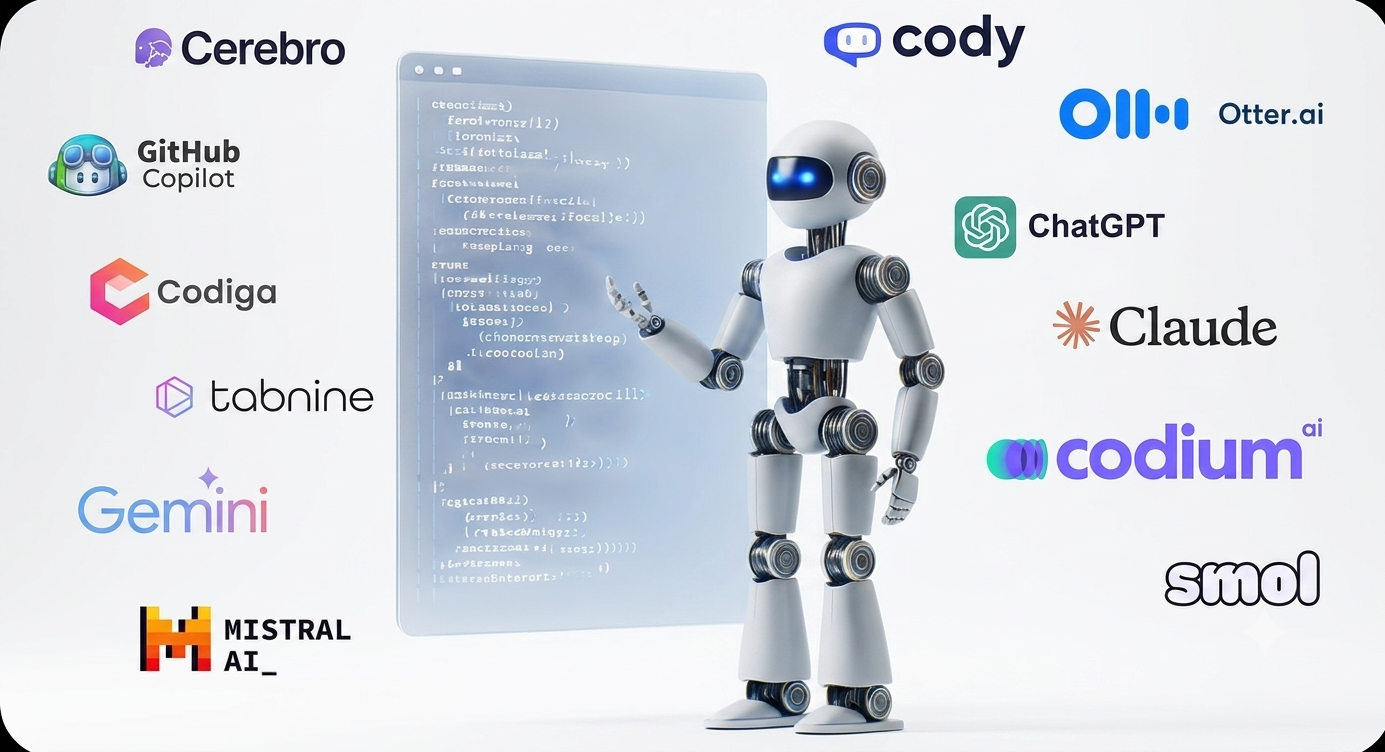
Modern AI coding tools can generate thousands of lines of code in minutes. The cost of writing code has dropped dramatically, but many development workflows still operate as if every line is expensive. That disconnect is preventing teams from taking full advantage of AI in software engineering.
Production Code Still Deserves Human Attention
None of this suggests production code deserves less scrutiny.
Critical systems still require rigorous reviews, thoughtful architecture, comprehensive testing, and human judgment. Whether the software powers financial systems, healthcare platforms, cloud infrastructure, or enterprise applications, quality standards should remain just as high.
What changes is everything around that production code.
AI Should Build the Code That Supports Your Code
Instead of asking AI to replace engineering, developers should use it to strengthen engineering.
AI can generate temporary scripts, debugging utilities, stress testing frameworks, benchmarking tools, custom validators, migration scripts, synthetic data generators, and one off experiments. None of these need to become permanent parts of the application.
Their purpose is simple.
Help engineers answer questions faster.
Help them verify assumptions.
Help them catch problems before customers ever see them.
Most of this code should never reach production, and that is exactly why it is valuable.
Think of Production Code as the Tip of the Iceberg
The production application is only the visible portion of the engineering effort.Beneath it can exist a much larger layer of disposable code built purely for learning, testing, and verification.
Imagine generating:
Custom test harnesses for every new feature
Load testing tools tailored to a specific service
Debuggers built for one investigation
Scripts that simulate thousands of edge cases
Temporary prototypes to compare different implementations
Log analyzers that automatically surface unusual behavior
None of these become customer facing features. Every one of them increase confidence in the code that does.
The Biggest Opportunity Is Better Verification
Many developers argue their software is too important for AI generated code. Ironically, those are the projects that can benefit the most from AI. If software controls money, healthcare, infrastructure, or business operations, then verification becomes even more valuable. Instead of asking AI to write production logic, let it generate hundreds of experiments that challenge the production logic.
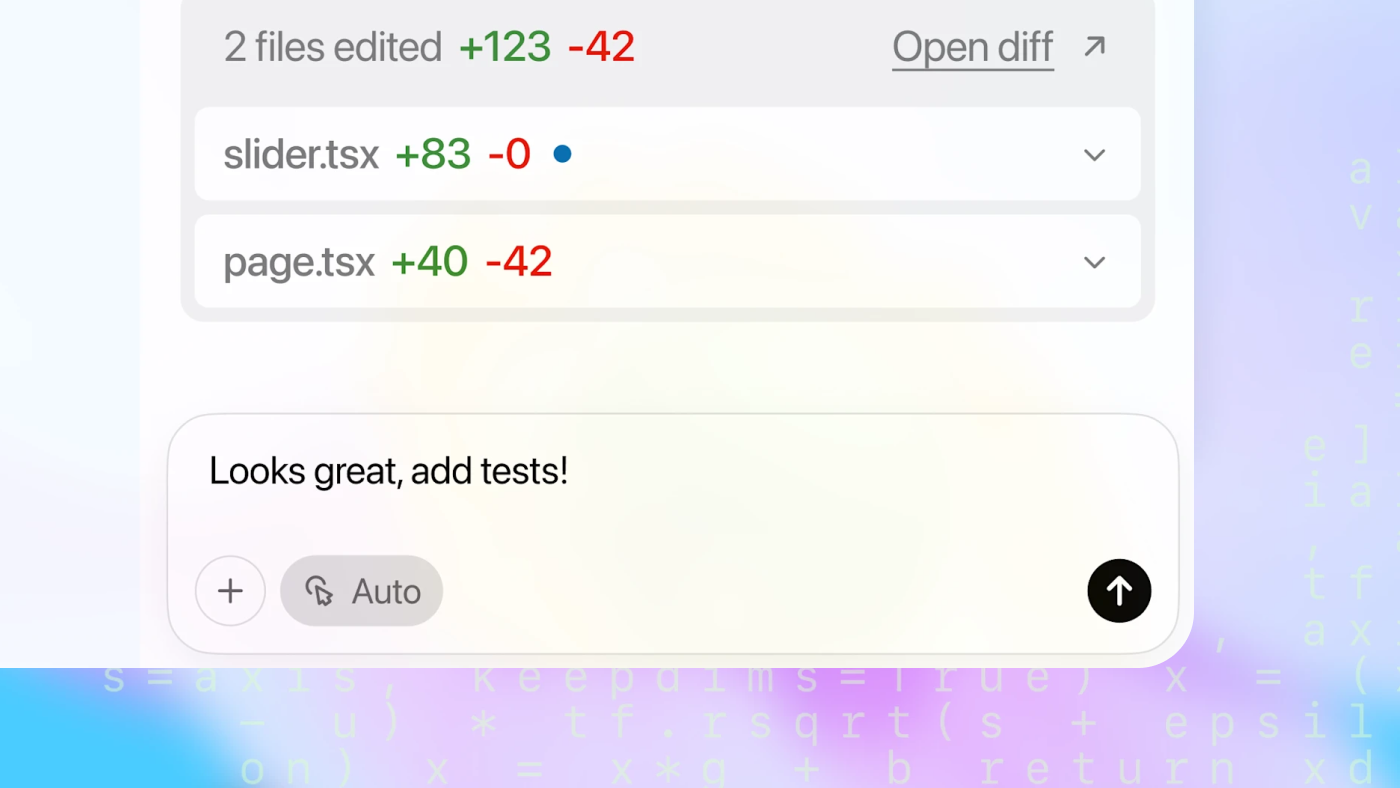
Use AI to build more tests.
Generate more simulations.
Create custom debugging workflows.
Stress every assumption before deployment.
The more critical the software, the more supporting code it deserves.
Stop Measuring Productivity by Lines of Production Code
Traditional software development rewarded writing less code. That made sense when writing code was expensive. Today, developer productivity should be measured differently.The best engineers are not simply producing production features faster. They are generating more experiments, more validation tools, more automated checks, and more knowledge throughout the day. The goal is no longer minimizing code.The goal is maximizing learning.
Disposable Code Is Not Bad Code
One mistake many developers make is assuming every generated file deserves maintenance.
It does not. Temporary scripts can organize files, benchmark APIs, validate migrations, compare algorithms, or answer one engineering question before being deleted forever. That code served its purpose.Its value came from the insight it produced, not from living inside the repository. Treating every generated file like a permanent asset misses one of AI's greatest advantages.
AI Makes Curiosity Cheap
The biggest advantage of AI is not replacing developers. It is making experimentation almost free. Developers can explore more ideas, compare more architectures, validate more assumptions, and investigate more possibilities than ever before. Instead of debating whether AI should replace software engineers, the better question is this: How much more can engineers learn when creating experiments costs almost nothing? That is where AI creates its biggest productivity gains.
The Future of AI Coding Is Smarter Verification
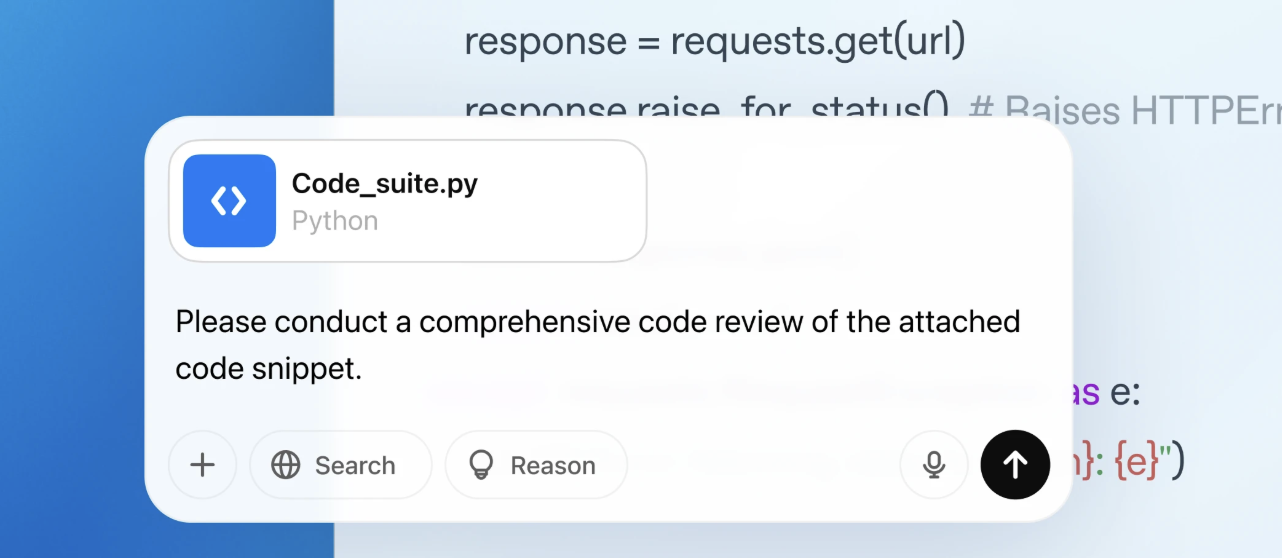
The future of software engineering will not belong to teams that simply review AI generated code faster.
It will belong to teams that generate vastly more supporting code for testing, debugging, benchmarking, and verification while maintaining the same discipline around the small percentage of code that actually reaches production.
The smartest engineers will not read less important code.
They will generate far more disposable code to protect the code that actually matters.
You may also like

What Is TypeSafe AI?
Discover Jev, TypeSafe AI’s System One Model for fast, type-safe, calibrated AI decisions built for software automation.

What Is Paperclip and How Does It Help You Manage AI Agent Teams?
Learn what Paperclip is, how it manages AI agent teams, controls costs, enables human approvals, and coordinates agents across different AI runtimes.

How Do You Actually Teach Engineering Judgment?
Learn how STEMLink teaches engineering judgment through a four-step approach: learn, build, test limitations, and understand why real-world systems need more.