
How to Cut AI Model Token Costs?
Reduce AI costs without sacrificing quality. Learn proven strategies to lower AI token usage through smart model routing, prompt optimization, context management, prompt caching, and efficient data handling. Discover how businesses can cut AI API costs by up to 90% while maintaining performance across OpenAI, Anthropic, Google, and other leading AI platforms.
How to Cut AI Model Token Costs?
The Problem
You're using expensive models for everything. Running vague prompts repeatedly. Sending entire datasets when you need three fields. Your token bill is 3-5x higher than necessary.
One AI engineer cut token costs by 90% without downgrading models or losing quality. They used spec-driven engineering: clear specifications, intelligent model routing, smart caching, and context management.
These strategies work on any platform: OpenAI, Anthropic, Google, or any AI provider.
Understanding Model Tiers
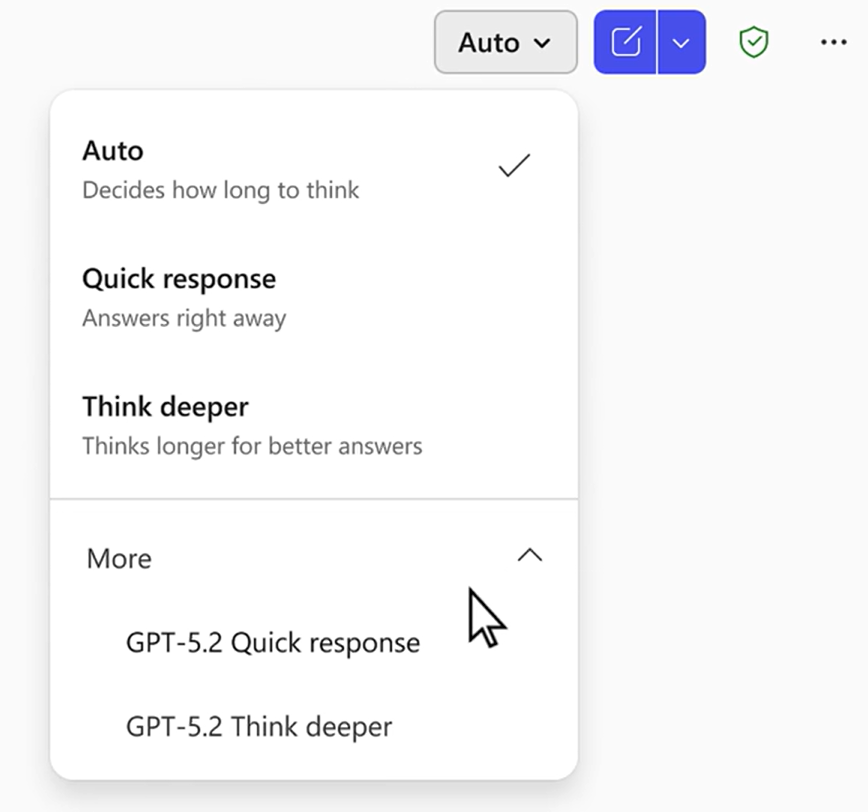
Tier 1: Budget Models ($0.50-2 per 1M tokens) Entry-level models for summarization, categorization, data transformation. Perfect for 60% of your work.
Tier 2: Mid-Range Models ($2-10 per 1M tokens) Balanced capability. Handle code generation, reviews, API design, content creation, production work.
Tier 3: Premium Models ($10-75+ per 1M tokens) Complex reasoning, novel problems, architecture decisions, security reviews. High capability, high cost.
The mistake: Using Tier 3 for Tier 1 tasks. That's like hiring a surgeon to flip burgers.
The Three-Stage Workflow
Stage 1: Budget Model Exploration ($0.01-0.05/task) Use cheap models to understand requirements, test approaches, and generate clear specifications. Example: Send customer feedback samples to budget model for categorization rules. It produces taxonomy in seconds at negligible cost.
Stage 2: Mid-Tier Model Implementation ($0.05-0.20/task) Build the actual solution. The mid-tier model has enough capability for production code while staying cost-effective. It understands specifications and doesn't need hand-holding.
Stage 3: Premium Model Verification (Only if necessary) Use expensive models sparingly for security decisions, architecture validation, and high-stakes problem-solving. Most projects skip this entirely.
Total cost: 1/10 to 1/20 of using expensive models everywhere
Strategy 1: Write Clear Specifications

Vague prompts cause iteration. Every iteration costs tokens.
Bad: "Add user authentication to our app." (costs 3x tokens from back-and-forth refinement)
Good: "Add JWT auth. Accept email/password. Return JWT on success. Reject with 401 if invalid. Use existing user schema. Only add new auth routes, don't modify existing endpoints."
The model builds exactly this on first try. No iterations needed.
Savings: 60-70%
Strategy 2: Route by Task Complexity
Ask yourself: What tier does this task actually need?
Budget models: Summarization, categorization, data transformation, basic analysis Mid-tier models: Code generation, reviews, API design, implementation Premium models: Novel problems, security decisions, complex issues
Most work doesn't need your expensive model. Reserve premium for problems that truly need them.
Savings: 50-70%
Strategy 3: Leverage Prompt Caching
Most AI platforms cache system prompts. If you send the same system prompt repeatedly, you only pay for the dynamic part.
Structure: Keep system prompt stable (1,024+ tokens). Put dynamic content at the end. Platform caches the system part.
Example: Reuse "You are a security reviewer. Check for: SQL injection, XSS, auth flaws..." Then send different code snippets each time.
Savings: 50%
Strategy 4: Batch and Trim Data
Don't send three separate requests for three tasks. Combine them: "Analyze these three functions. Format as JSON array."
Also trim data before sending. Remove fields you don't use. Instead of sending entire user objects with 8 fields, send only the 2 you need.
Savings: 15-25%
Strategy 5: Manage Conversation Context
Long conversations burn tokens. Don't send all 50 previous messages every request.
Before: 50 messages × 200 tokens = 10,000 tokens After: 5 recent messages + 1 summary = 1,500 tokens
Keep only recent messages. Summarize older context into key points.
Savings: 60-80%
Real Example: Database Migration
Project: Migrate 50 tables, write ORM code, test.
All Premium Models: $500
Specs: $100
Code: $200
Reviews: $100
Testing: $100
Smart Approach: $75
Budget specs: $15
Mid-tier code: $30
Mid-tier reviews: $15
Verification: $15
Savings: 85% - Same quality, one-seventh the cost.
Quick Implementation
Week 1: Caching + batching (20-30% savings) Week 2: Model routing (25-35% more) Week 3: Context trimming (15-25% more)
Total: 60-80%
One Critical Rule
Never use cheap models for complex problems to save money. You'll spend more fixing bad output. Match model capability to task complexity.
You may also like

What Is TypeSafe AI?
Discover Jev, TypeSafe AI’s System One Model for fast, type-safe, calibrated AI decisions built for software automation.

What Is Paperclip and How Does It Help You Manage AI Agent Teams?
Learn what Paperclip is, how it manages AI agent teams, controls costs, enables human approvals, and coordinates agents across different AI runtimes.

How Do You Actually Teach Engineering Judgment?
Learn how STEMLink teaches engineering judgment through a four-step approach: learn, build, test limitations, and understand why real-world systems need more.