
ChatGPT Work
ChatGPT Work marks a major evolution in software engineering, shifting AI from simple code assistants to autonomous development partners. Capable of managing complex workflows, debugging, and full project tasks, it empowers engineering teams to boost productivity, accelerate feature delivery, and focus on strategic system architecture and scalable product innovation today.
ChatGPT Work
Artificial intelligence is rapidly transforming the way software is built, tested, and maintained. With the introduction of ChatGPT Work, the industry is moving beyond traditional AI chatbots and code assistants into a new era of autonomous software development. Instead of simply answering questions or generating code snippets, ChatGPT Work can execute complex workflows, making it feel less like a tool and more like a collaborative software engineer.
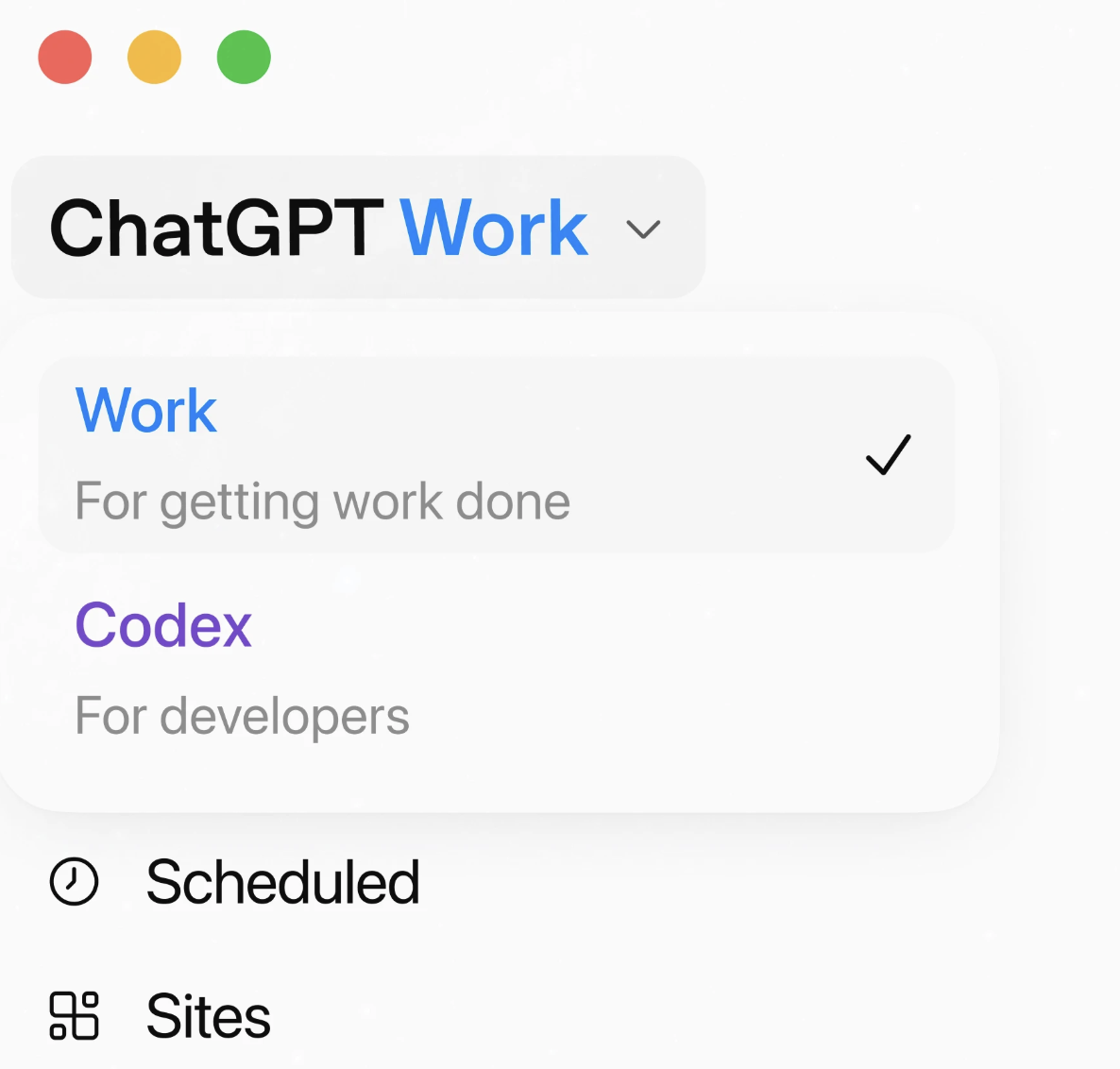
This shift represents one of the biggest advancements in AI software development, allowing developers and businesses to automate repetitive tasks while focusing on innovation, system architecture, and product strategy.
What Is ChatGPT Work?
ChatGPT Work is designed to handle long-running, multi-step development tasks rather than isolated prompts. It can understand project requirements, generate code, debug applications, analyze documentation, and assist throughout the entire software development lifecycle. By maintaining context across multiple tasks, it enables developers to work more efficiently without constantly repeating instructions.
This evolution reflects a growing trend in AI programming tools, where intelligent agents are capable of completing end-to-end workflows instead of acting as simple coding assistants.
How ChatGPT Work Is Changing Software Development
Traditional AI coding tools primarily focused on generating functions, explaining code, or answering technical questions. ChatGPT Work takes this much further by supporting developers throughout an entire project.
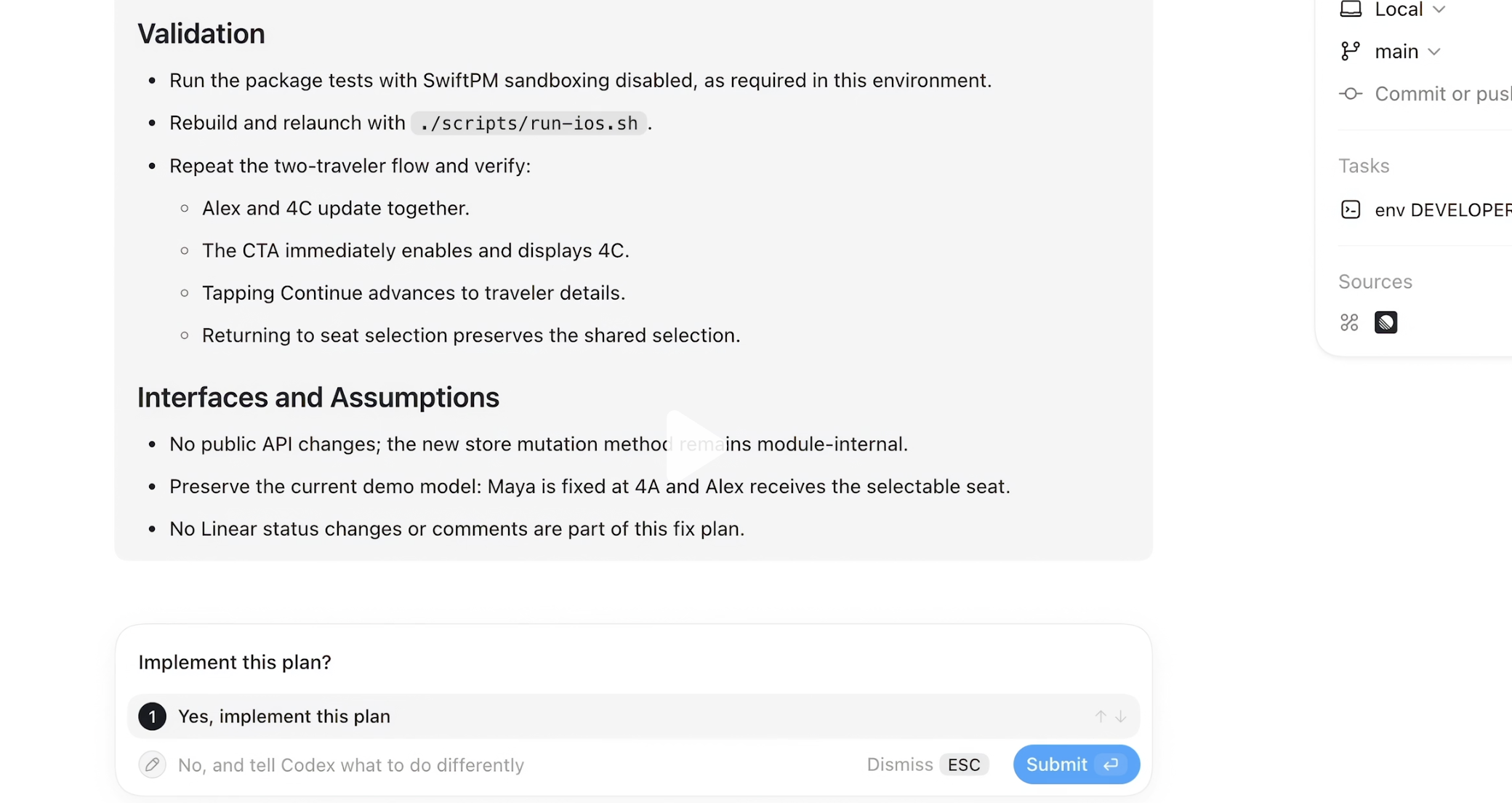
Developers can delegate tasks such as writing production-ready code, reviewing pull requests, fixing bugs, creating technical documentation, generating unit tests, and refactoring existing applications. Instead of switching between documentation, terminals, IDEs, and testing platforms, many of these tasks can now be managed within a single AI-powered workflow.
The result is improved developer productivity, faster feature delivery, and more efficient collaboration across engineering teams.
The Rise of Autonomous Software Development
One of the most significant trends in modern software engineering is the emergence of autonomous software development. Rather than waiting for instructions after every prompt, AI systems are beginning to understand goals, plan execution, and carry out multiple steps independently.
This approach reduces repetitive work and allows developers to concentrate on solving complex business problems instead of spending hours on routine coding tasks. As AI continues to improve, autonomous agents are expected to become an essential part of every software engineering team.
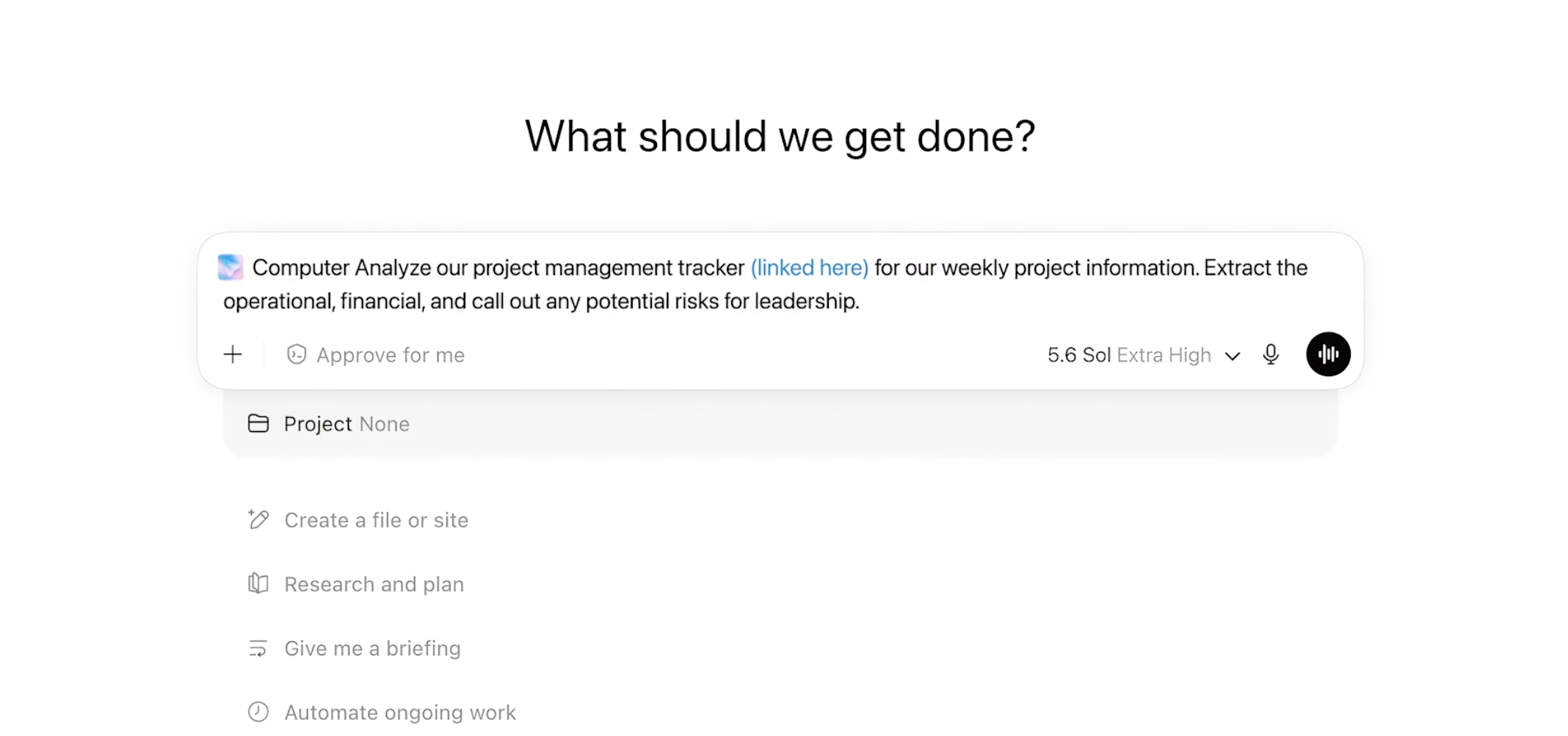
Benefits for Developers and Engineering Teams
For startups, ChatGPT Work can accelerate product development while reducing the workload on small engineering teams. Developers can build prototypes, automate documentation, and resolve bugs more quickly, helping products reach the market faster.
Larger organizations can integrate AI into their development pipelines to improve code quality, reduce technical debt, and automate repetitive engineering tasks across multiple teams. This leads to shorter release cycles, improved collaboration, and more reliable software delivery.
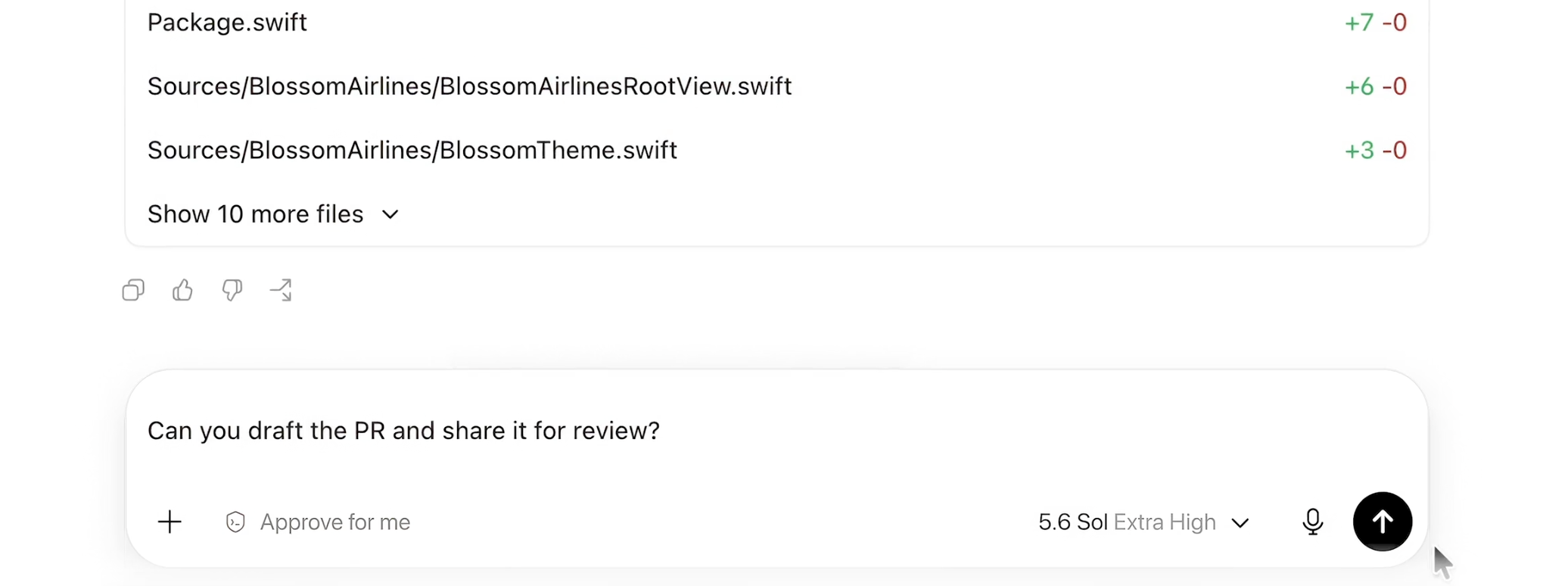
As businesses continue investing in AI coding agents, organizations that embrace these tools will gain a competitive advantage through faster development and increased operational efficiency.
The Future of AI-Powered Programming
The future of software development is no longer about replacing developers—it's about empowering them. AI will increasingly handle repetitive implementation work, while software engineers focus on architecture, security, product design, and strategic decision-making.
Developers who learn to collaborate effectively with AI will be able to build better applications, ship features faster, and adapt to the rapidly changing technology landscape. Skills such as system design, code review, prompt engineering, and AI workflow management are becoming just as valuable as traditional programming knowledge.
Final Thoughts
ChatGPT Work represents a major milestone in the evolution of AI for developers. It demonstrates how artificial intelligence is progressing from a simple coding assistant to an autonomous engineering partner capable of managing complex software development workflows.
As autonomous AI continues to mature, the software industry will shift toward faster development cycles, smarter engineering practices, and more collaborative human-AI workflows. Businesses and developers that embrace this transformation today will be well-positioned to lead the next generation of software innovation.
You may also like

What Is TypeSafe AI?
Discover Jev, TypeSafe AI’s System One Model for fast, type-safe, calibrated AI decisions built for software automation.

What Is Paperclip and How Does It Help You Manage AI Agent Teams?
Learn what Paperclip is, how it manages AI agent teams, controls costs, enables human approvals, and coordinates agents across different AI runtimes.

How Do You Actually Teach Engineering Judgment?
Learn how STEMLink teaches engineering judgment through a four-step approach: learn, build, test limitations, and understand why real-world systems need more.