
Technical AI Project Manager
Explore the evolving landscape of AI-enhanced project management by 2026, including crucial skills, emerging salary trends, and the exciting career growth opportunities awaiting professionals ready to adapt to this transformative field.
Technical AI Project Manager
The technical architecture of project delivery has fundamentally changed. The modern project manager is no longer just a tracker of spreadsheets they act as the essential bridge between complex data science pipelines, MLOps, and enterprise execution.
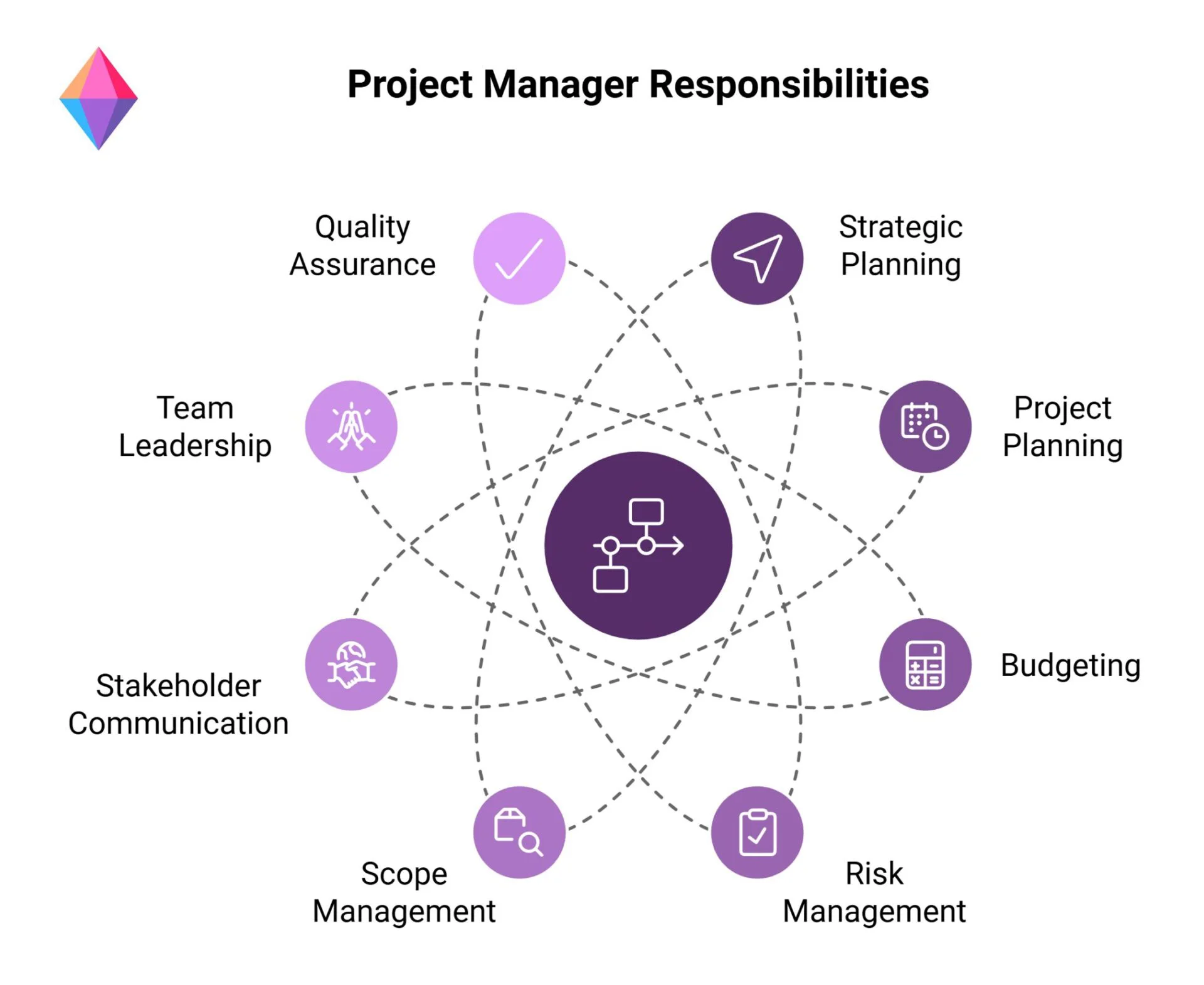
Core Technical Competencies
Succeeding in this landscape requires a deep understanding of machine learning, data engineering, and agile experimentation.
Advanced Data Pipeline Analytics: Project leaders must look beyond static dashboards to understand how data pipelines function. This involves tracking data from collection and engineering to storage, ensuring the information powering predictive models is reliable and fully audited.
Foundational Machine Learning & LLM Mechanics: While writing deep learning code from scratch isn't required, a foundational knowledge of training loops, fine-tuning, prompt engineering, hyperparameter optimization, and data preprocessing is essential to accurately estimate timelines.
The Experimental Lifecycle: Traditional software follows a predictable, feature-based path. AI introduces a research-driven layer relying on continuous evaluation loops where models are constantly tested against reference datasets. Managing this requires adjusting agile cadences to support open-ended experimentation.
Architectural Governance & Compliance: Integrating AI requires strict technical governance. Managers must actively audit systems for data privacy, algorithmic bias, and security vulnerabilities, ensuring compliance with global AI regulations.
Redefining the Technical Job Profile
Modern technical project management roles prioritize system integration and algorithmic optimization over administrative overhead.
Orchestrate MLOps Lifecycles: Lead cross-functional engineering pods including data engineers, data scientists, and frontend developers to guide projects from proof-of-concept to live production.
Implement Predictive Health Metrics: Use historical telemetry and predictive models to continuously evaluate performance indexes, automatically flagging potential engineering blockers before they stall a sprint.
Enforce Rigorous Model Validation: Establish clear testing standards based on precise system metrics (like precision, recall, and token latency) rather than generic feature checklists.
The AI-Driven Tool Ecosystem
The modern engineering environment relies on an integrated stack of intelligent systems that actively assist with forecasting and threat mitigation.
Automated Scheduling Engines: Tools like Motion and Forecast use scheduling algorithms to automatically prioritize tasks based on shifting workloads and developer availability, removing manual calendar adjustments.
Predictive Risk Platforms: Systems like Wrike and Smartsheet use analytics to review historical data, automatically flagging potential code-freeze delays or resource constraints early.
Dev-Cycle Optimization: Next-generation issue trackers like Linear utilize models to automate issue tagging, optimize sprint capacities, and analyze developer velocity to provide accurate delivery predictions.
You may also like

What Is TypeSafe AI?
Discover Jev, TypeSafe AI’s System One Model for fast, type-safe, calibrated AI decisions built for software automation.

What Is Paperclip and How Does It Help You Manage AI Agent Teams?
Learn what Paperclip is, how it manages AI agent teams, controls costs, enables human approvals, and coordinates agents across different AI runtimes.

How Do You Actually Teach Engineering Judgment?
Learn how STEMLink teaches engineering judgment through a four-step approach: learn, build, test limitations, and understand why real-world systems need more.