
Gemma 4
Discover how Gemma 4 unifies perception and reasoning through multimodal AI, encoder-free architecture, native audio, thinking mode, and efficient local deployment.
Gemma 4
Artificial intelligence is moving beyond models that simply understand text. The next generation of AI needs to see, hear, understand, reason, and act.
Google's Gemma 4 takes an important step in that direction by bringing multimodal perception and reasoning closer together. The most interesting example is Gemma 4 12B, which uses an encoder-free multimodal architecture designed to process text, images, and audio through a unified language-model backbone.

What Makes Gemma 4 Different?
Traditional multimodal AI systems often use separate models or encoders for different types of information.
For example:
Image → Vision Encoder → Language Model → Reasoning
or:
Audio → Audio Encoder → Language Model → Answer
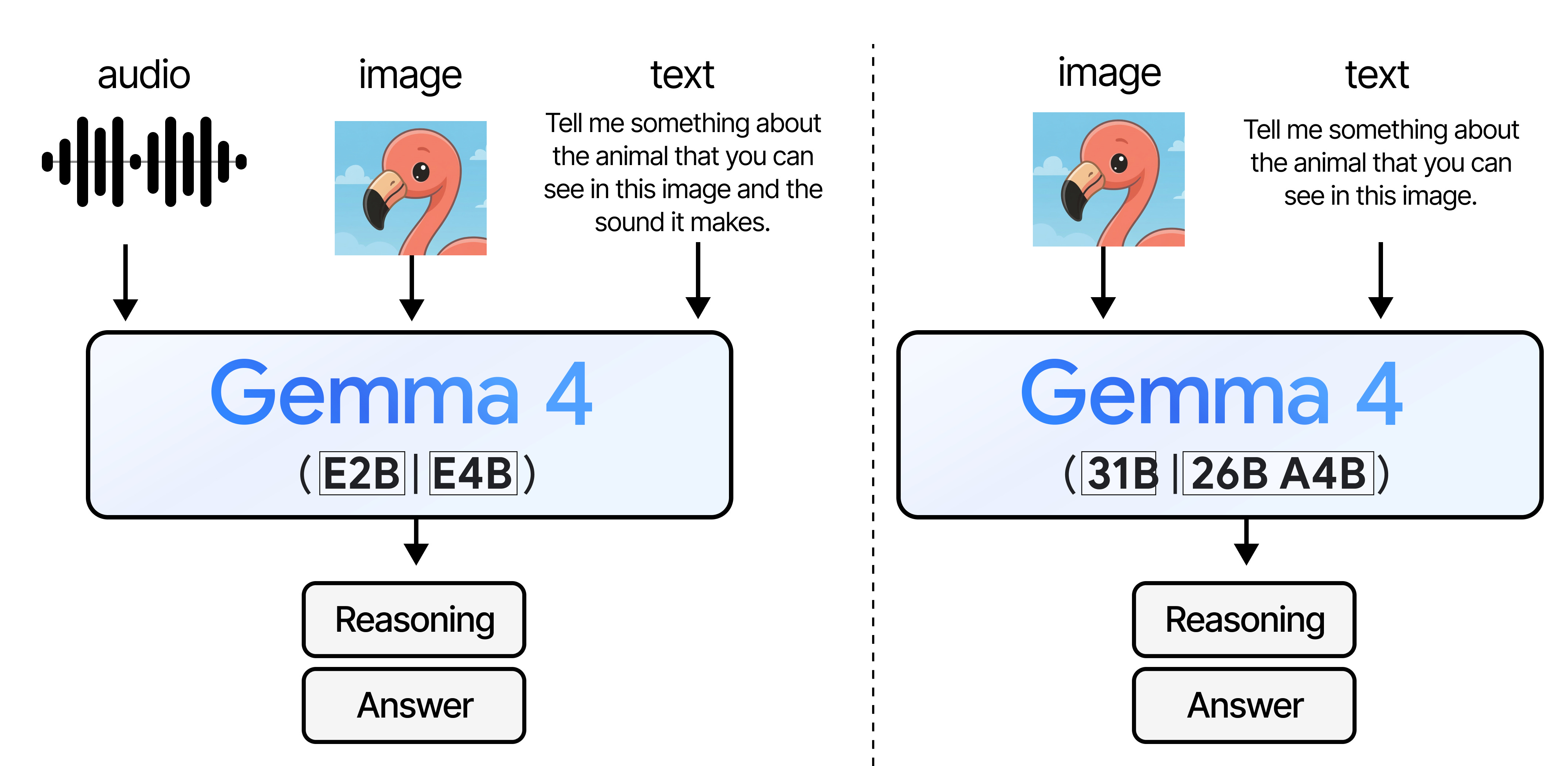
Gemma 4 12B takes a different approach. Instead of relying on large, separate perception encoders, it brings multimodal information closer to the model's core processing system.
This is the key idea behind "unifying perception and thinking."
Gemma 4 12B: Connecting Perception With Reasoning
Gemma 4 12B is particularly notable because it uses an
For vision, the model uses lightweight image embeddings, while audio can be projected into the same space used by text. This allows the model to work with different types of information within a more unified architecture.
The advantage is more than just technical simplicity.
When perception and reasoning are closely connected, the AI can potentially do more than identify what it sees or hears. It can reason about that information.
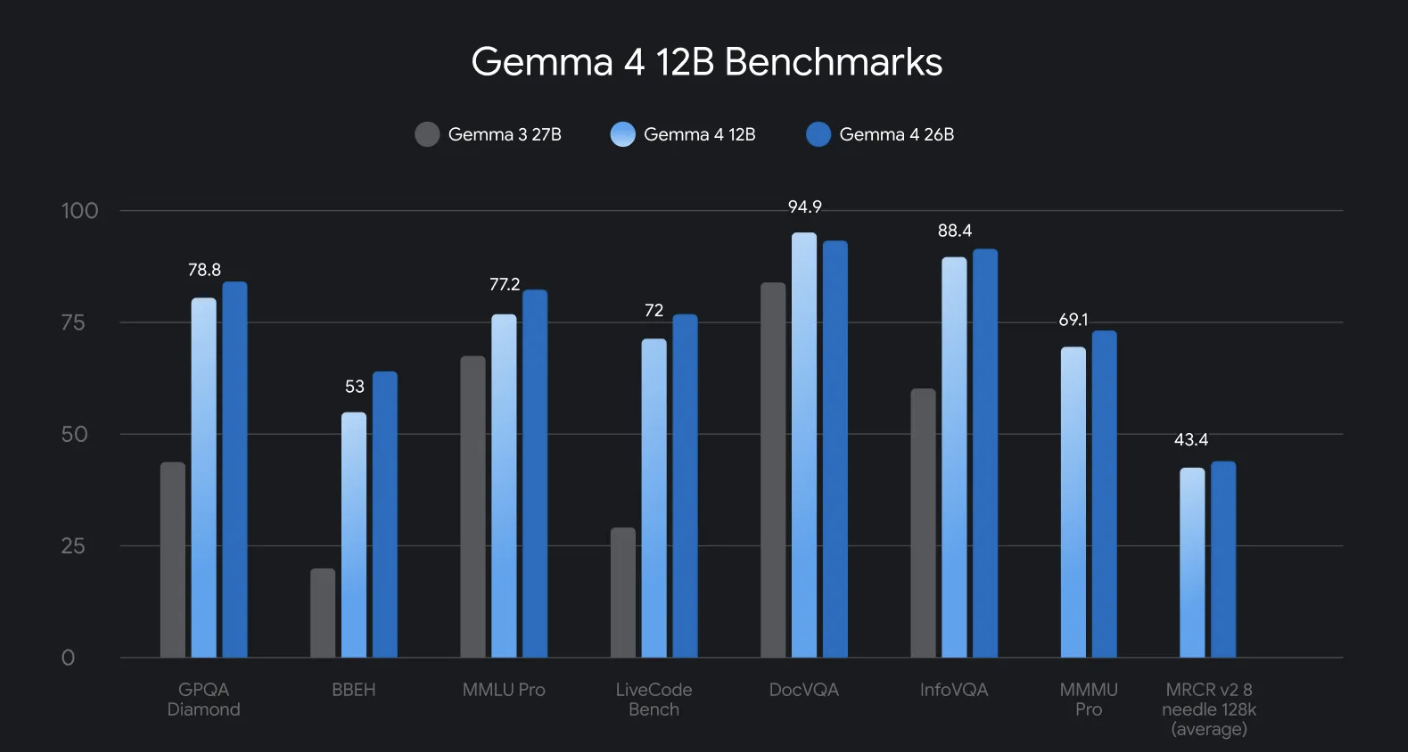
For example, instead of simply describing a chart, an AI could analyze the chart, compare the numbers, perform calculations, and explain the conclusion.
That is the difference between multimodal understanding and multimodal reasoning.
Gemma 4 Thinking Mode
Another major capability is thinking mode.
Gemma 4 can spend additional computation working through difficult problems before producing its final response. This reasoning capability can also be applied to multimodal tasks.
A workflow can therefore look like:
See → Understand → Reason → Answer
This becomes especially useful for analyzing images, diagrams, documents, charts, and other complex information.
Native Audio and Multimodal AI
Gemma 4 12B also stands out for its native audio capabilities.
Instead of always converting speech into text first, the model can process audio directly. This is important because audio contains information beyond words, including timing, pauses, and other acoustic characteristics.
Combined with image and text understanding, this gives developers a more flexible foundation for building multimodal AI applications.
Gemma 4 and Local AI
Gemma 4 is also designed with efficient deployment in mind.
The model family includes smaller variants such as Gemma 4 E2B and E4B, alongside larger models including 12B, 26B A4B, and 31B.
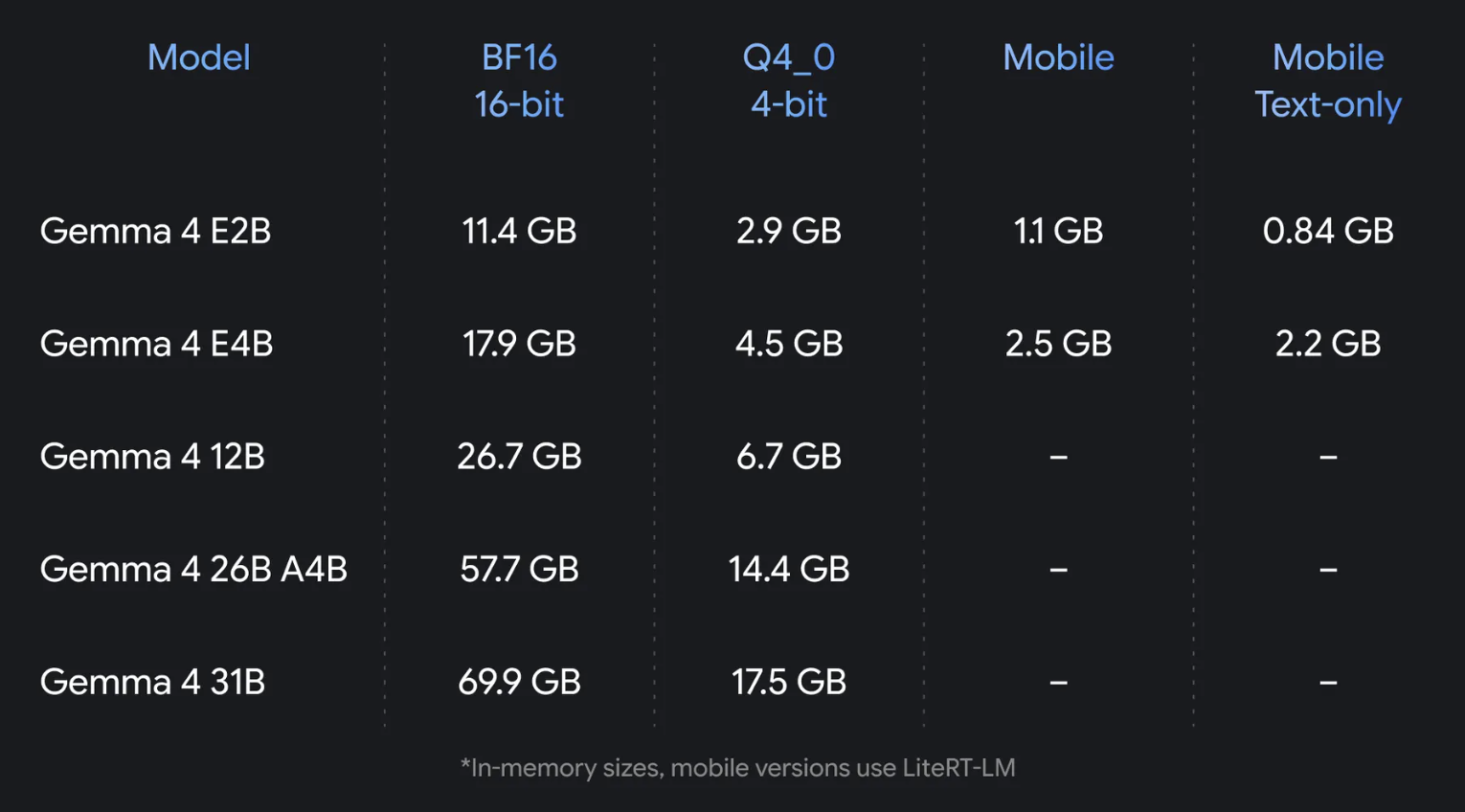
Google positions Gemma 4 for applications ranging from edge devices and laptops to more powerful infrastructure.
This makes the technology particularly interesting for developers who want:
Local AI assistants
Private AI applications
Offline AI
Multimodal agents
AI-powered tools
Lower-latency inference
Why Gemma 4 Matters
The biggest story behind Gemma 4 isn't simply that it can process images or audio. Other multimodal AI models can already do that.
The more interesting development is the attempt to bring perception and reasoning into a more unified architecture.
Gemma 4 combines:
Multimodal understanding
Thinking and reasoning
Native audio
Long-context processing
Tool use
Agentic capabilities
Efficient local deployment
Together, these capabilities point toward a future where AI doesn't need completely separate systems for seeing, hearing, thinking, and acting.
Final Thoughts
Gemma 4 represents an important direction in multimodal AI: bringing perception and reasoning closer together.
With Gemma 4 12B's encoder-free architecture, native audio capabilities, multimodal understanding, and thinking mode, Google is pushing toward AI systems that can perceive information and reason about it within the same workflow.
The future of AI may not simply be about building models that can see or think.
It may be about building models that can see, understand, reason, and act as one system.
You may also like

What Is TypeSafe AI?
Discover Jev, TypeSafe AI’s System One Model for fast, type-safe, calibrated AI decisions built for software automation.

What Is Paperclip and How Does It Help You Manage AI Agent Teams?
Learn what Paperclip is, how it manages AI agent teams, controls costs, enables human approvals, and coordinates agents across different AI runtimes.

How Do You Actually Teach Engineering Judgment?
Learn how STEMLink teaches engineering judgment through a four-step approach: learn, build, test limitations, and understand why real-world systems need more.